Pseudocholinesterase, Serum
What it is
The Pseudocholinesterase, Serum test measures the activity of the enzyme pseudocholinesterase (also called butyrylcholinesterase or plasma cholinesterase) in the blood. This enzyme is produced in the liver and plays a role in breaking down certain drugs and chemicals, including muscle relaxants used during anesthesia (such as succinylcholine) and organophosphate insecticides. Abnormal levels can indicate genetic enzyme deficiencies, liver disease, or poisoning.
Uses
This test is used to:
– Detect inherited pseudocholinesterase deficiency, which can cause prolonged paralysis after anesthesia.
– Evaluate patients with unexplained delayed recovery from muscle relaxants used in surgery.
– Assess liver function, as enzyme production occurs in the liver.
– Support diagnosis of organophosphate pesticide or nerve agent poisoning.
– Guide safe use of anesthesia in patients with family history of pseudocholinesterase deficiency.
Symptoms That May Lead to the Test
Doctors may recommend this test if you have:
– Prolonged apnea (difficulty breathing) or paralysis after surgery.
– Family history of anesthesia-related complications.
– Signs of pesticide or nerve agent poisoning, such as muscle weakness, confusion, excessive salivation, or seizures.
– Symptoms of liver disease (jaundice, ascites, fatigue).
Abnormal Results
Low Pseudocholinesterase Activity: May indicate inherited enzyme deficiency, liver disease, malnutrition, chronic infections, organophosphate poisoning, or exposure to certain medications (e.g., chemotherapy, anticonvulsants). This increases the risk of prolonged paralysis with anesthesia drugs.
High Pseudocholinesterase Activity: Less common, but may be seen in obesity, diabetes, thyroid disorders, or nephrotic syndrome. Usually, this is not clinically significant compared to low levels.
Interpretation often requires genetic testing or a dibucaine inhibition test to confirm enzyme deficiency.
Risks
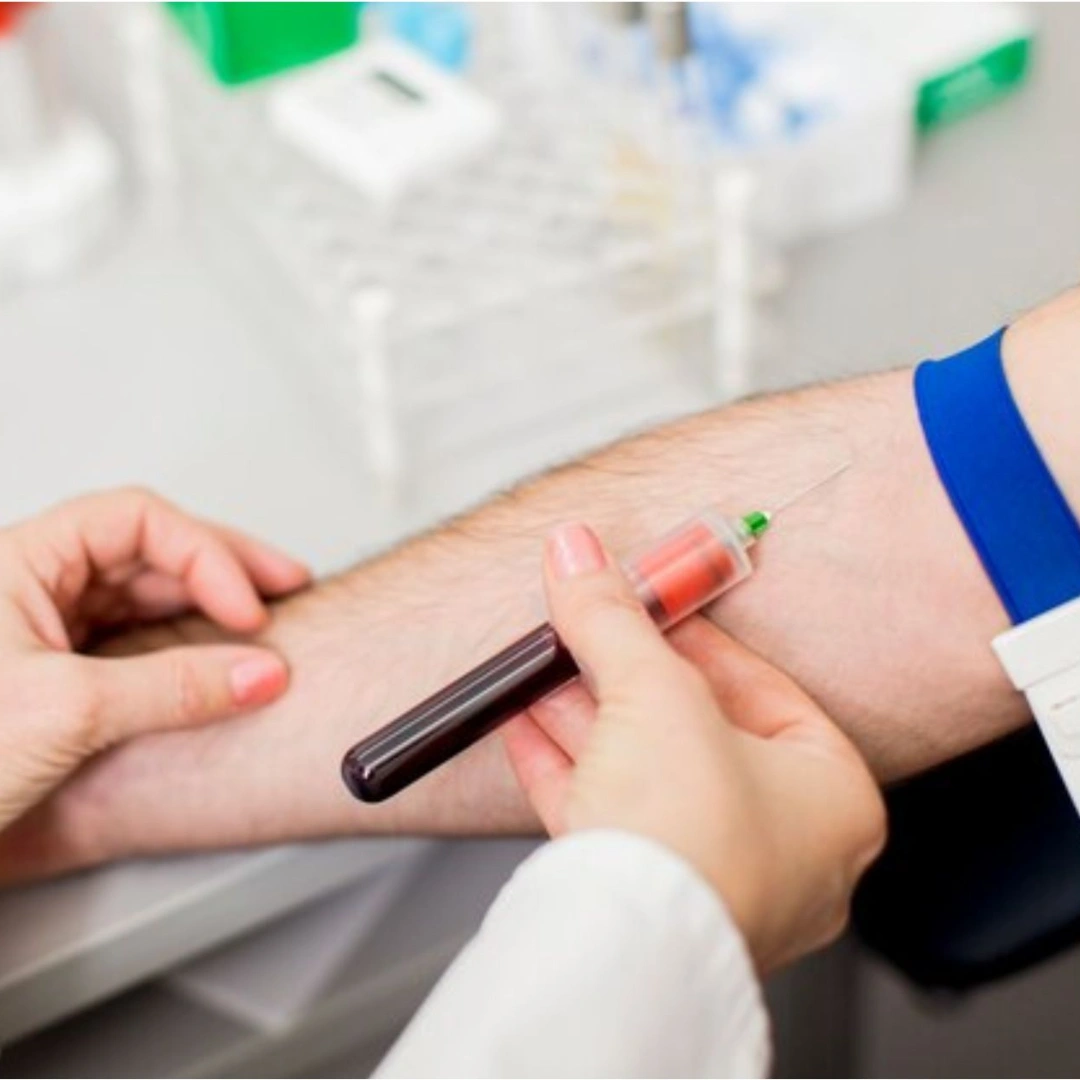
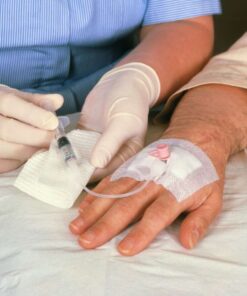
The test requires a routine blood draw. Risks are minimal, limited to mild pain, bruising, or dizziness at the puncture site. The analysis itself poses no risks.


Reviews
There are no reviews yet.