Pus Culture Automated
What it is
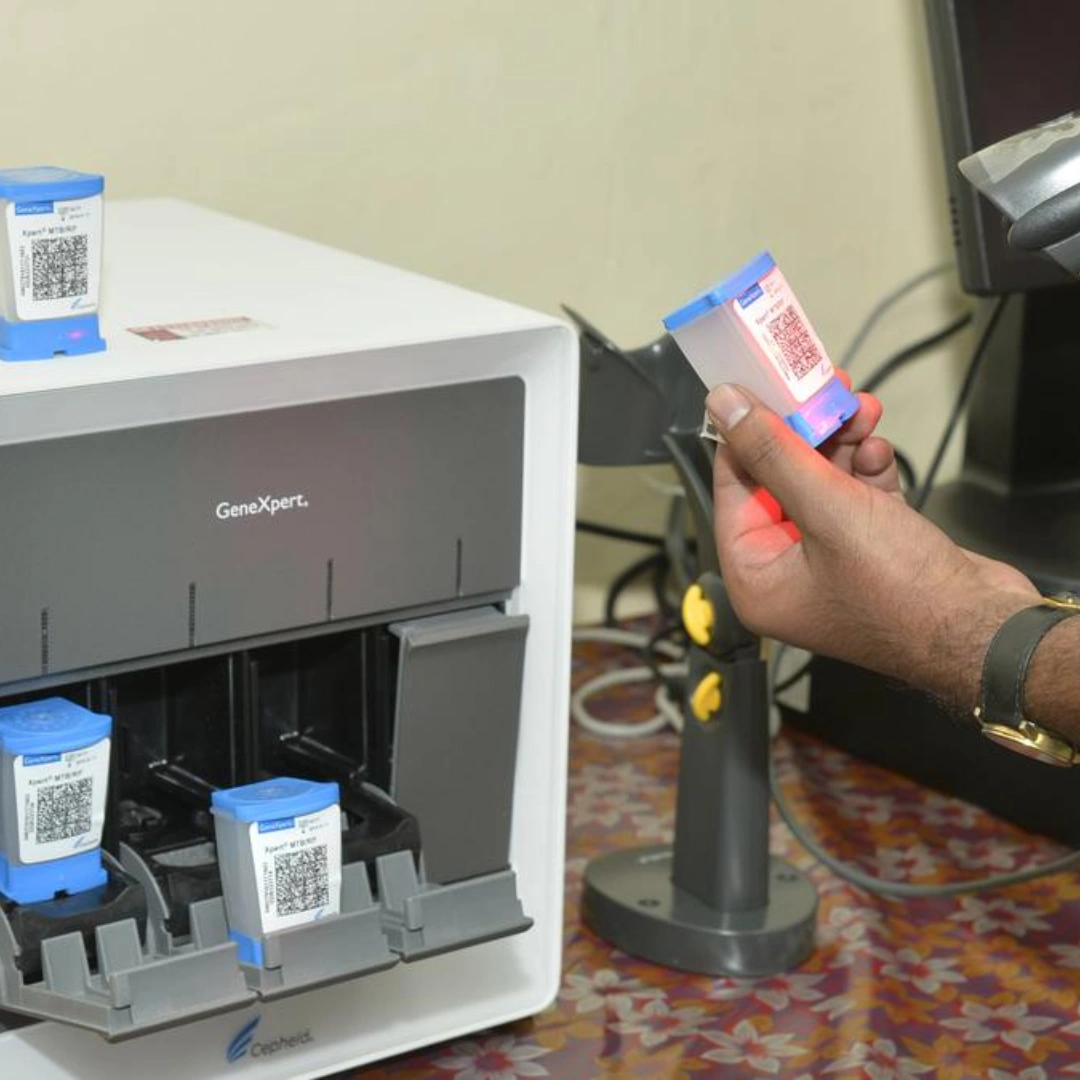
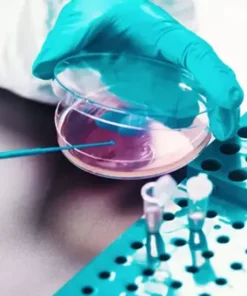
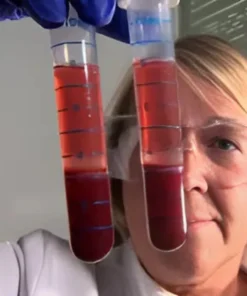
The Pus Culture Automated test is a laboratory procedure that detects and identifies bacteria, fungi, or other microorganisms present in pus collected from an abscess, wound, or infection site. Using automated culture systems, this test speeds up pathogen detection and helps determine the best course of treatment. It is particularly useful in diagnosing localized infections that produce pus due to bacterial activity.
Uses
This test is used to:
– Identify the causative organisms in pus or wound infections.
– Guide doctors in selecting the most effective antibiotic therapy.
– Differentiate between bacterial, fungal, or mixed infections.
– Monitor response to treatment in patients with persistent or recurrent infections.
– Prevent complications by targeting resistant organisms through antibiotic sensitivity testing.
Symptoms That May Lead to the Test
Doctors may recommend a pus culture if you have:
– Localized swelling, redness, and pain.
– Formation of abscesses or boils with pus discharge.
– Non-healing wounds or post-surgical infections.
– Fever, chills, or systemic signs of infection associated with pus formation.
– Recurrent or unexplained infections.
Abnormal Results
Positive Culture: Indicates the presence of bacteria or fungi in the pus. The report usually specifies the organism (e.g., Staphylococcus aureus, Streptococcus, Pseudomonas, E. coli) along with antibiotic susceptibility results (sensitivity/resistance pattern). This helps doctors prescribe the most effective treatment.
Negative Culture: Suggests no growth of infectious organisms, which may occur if the infection is viral, already partially treated with antibiotics, or due to improper sample collection.
Risks
The test itself is safe. Risks are mainly related to pus collection, which may cause mild discomfort, pain, or minor bleeding at the site. Proper sterile techniques minimize infection risks during collection.


Reviews
There are no reviews yet.