Rett Syndrome DNA Sequencing (MECP2 Mutation)
What it is
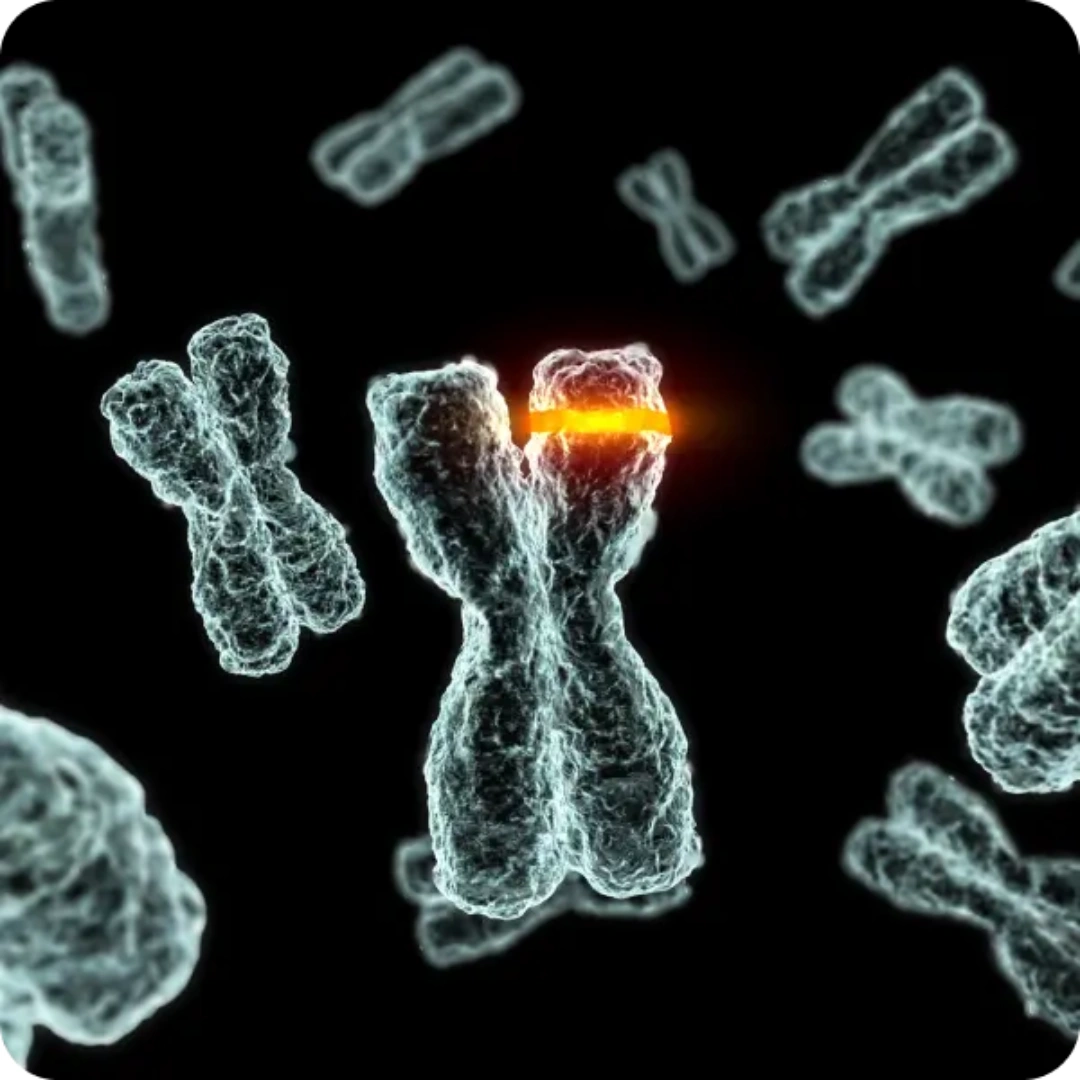
The Rett Syndrome DNA Sequencing test detects mutations in the MECP2 gene, which are the primary cause of Rett syndrome—a rare genetic neurological disorder that mainly affects girls. Rett syndrome leads to severe developmental regression, loss of motor and communication skills, seizures, and autistic-like behaviors. This test uses advanced DNA sequencing methods to identify disease-causing mutations in the MECP2 gene, confirming the diagnosis.
Uses
This test is used to:
– Confirm a clinical diagnosis of Rett syndrome in children with developmental regression.
– Detect MECP2 mutations for genetic counseling and family planning.
– Differentiate Rett syndrome from other developmental and neurological disorders.
– Identify carriers in families with a history of Rett syndrome.
– Guide prognosis and supportive management strategies.
Symptoms That May Lead to the Test
Doctors may recommend this test if a child shows signs such as:
– Normal early development followed by loss of acquired skills.
– Loss of purposeful hand movements and development of repetitive hand-wringing.
– Severe speech and communication difficulties.
– Seizures, breathing irregularities, and autistic features.
– Progressive motor decline, including problems with walking and coordination.
Abnormal Results
Positive for MECP2 Mutation: Confirms Rett syndrome. Different types of mutations may influence the severity of symptoms and progression of the disorder.
Negative for MECP2 Mutation: Does not completely rule out Rett syndrome, as some cases may be due to other genes (e.g., CDKL5, FOXG1) or undetected variants. Additional genetic testing may be required.
Risks
The test requires a blood or saliva sample for DNA extraction. Risks are minimal, limited to mild pain or bruising at the blood collection site. The genetic analysis itself carries no physical risk but may have emotional and psychological implications for families receiving a diagnosis.


Reviews
There are no reviews yet.