Rh Antibody Titer
What it is
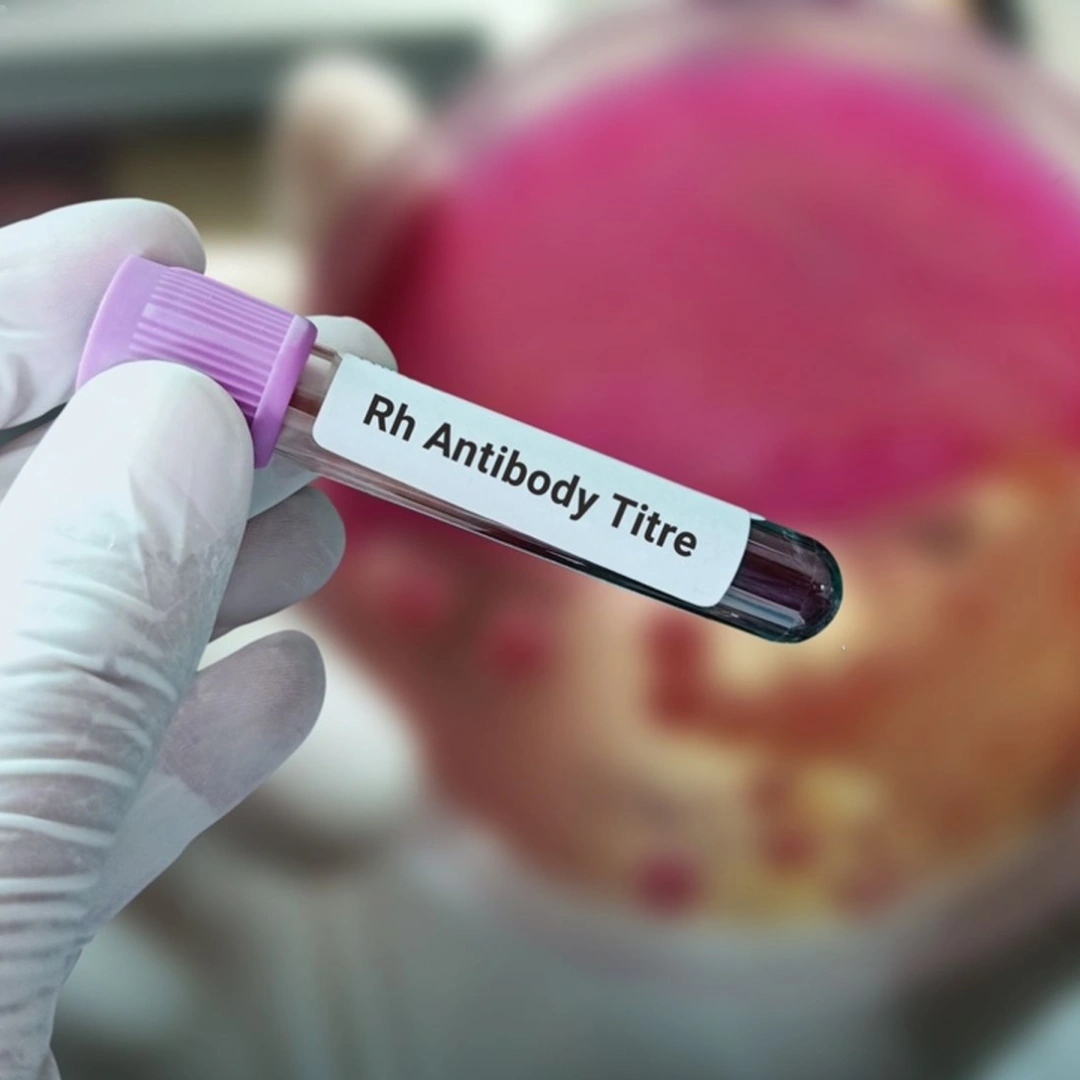
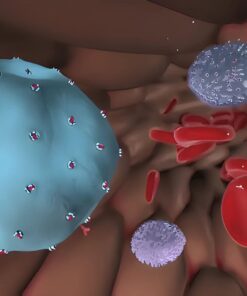
The Rh Antibody Titer test measures the concentration of antibodies in the blood directed against Rh (Rhesus) factor, a protein found on red blood cells. It is especially important during pregnancy, as Rh-negative mothers carrying Rh-positive babies may produce antibodies that can cross the placenta and harm the fetus, leading to hemolytic disease of the newborn (HDN). The test helps assess the severity of maternal sensitization and guides clinical management.
Uses
This test is used to:
– Monitor Rh-negative pregnant women for alloimmunization (sensitization to Rh factor).
– Evaluate the risk of hemolytic disease in the fetus or newborn.
– Guide decisions about interventions such as intrauterine transfusions or early delivery.
– Assess the effectiveness of Rh immunoglobulin (RhIg) prophylaxis.
– Detect and quantify antibody levels in blood transfusion patients with Rh incompatibility.
Symptoms / Conditions That May Lead to the Test
Doctors may recommend this test if:
– You are an Rh-negative pregnant woman with an Rh-positive partner.
– You had a previous pregnancy or miscarriage with Rh incompatibility.
– You have a history of blood transfusion reactions.
– The fetus shows signs of anemia, jaundice, or hydrops on ultrasound.
Abnormal Results
High Antibody Titer: Suggests significant maternal sensitization. Higher titers increase the risk of hemolytic disease of the fetus/newborn, which may cause anemia, jaundice, hydrops fetalis, or stillbirth.
Low or Negative Titer: Indicates little to no sensitization, reducing the risk of complications. Prophylactic administration of RhIg may still be required for Rh-negative mothers.
Results are closely monitored throughout pregnancy, with titers repeated at intervals to track changes.
Risks
The test requires a standard blood sample. Risks are minimal and limited to slight pain, bruising, or dizziness at the puncture site. The laboratory analysis itself carries no risk.


Reviews
There are no reviews yet.