Rheumatoid Arthritis (RA) Panel
What it is
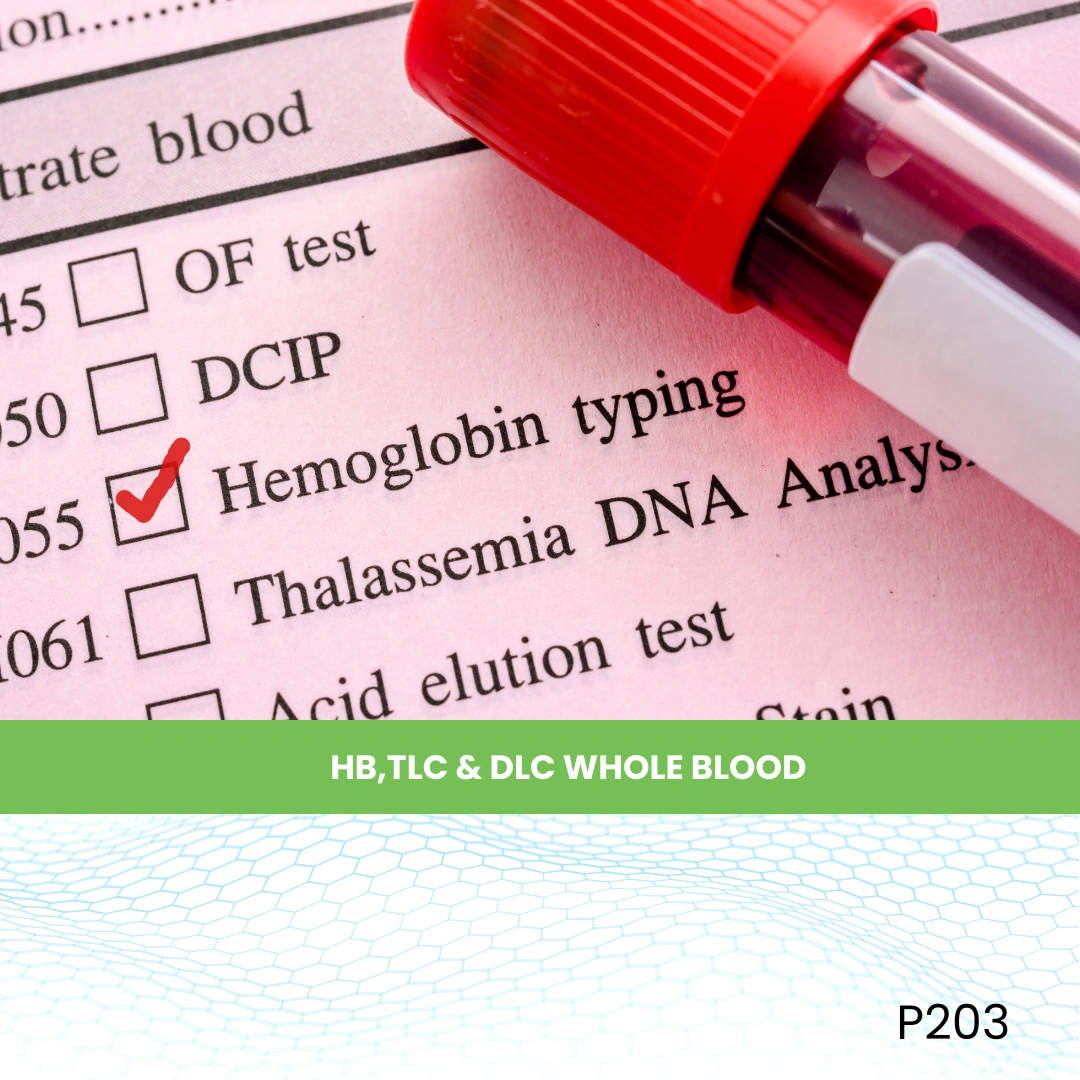
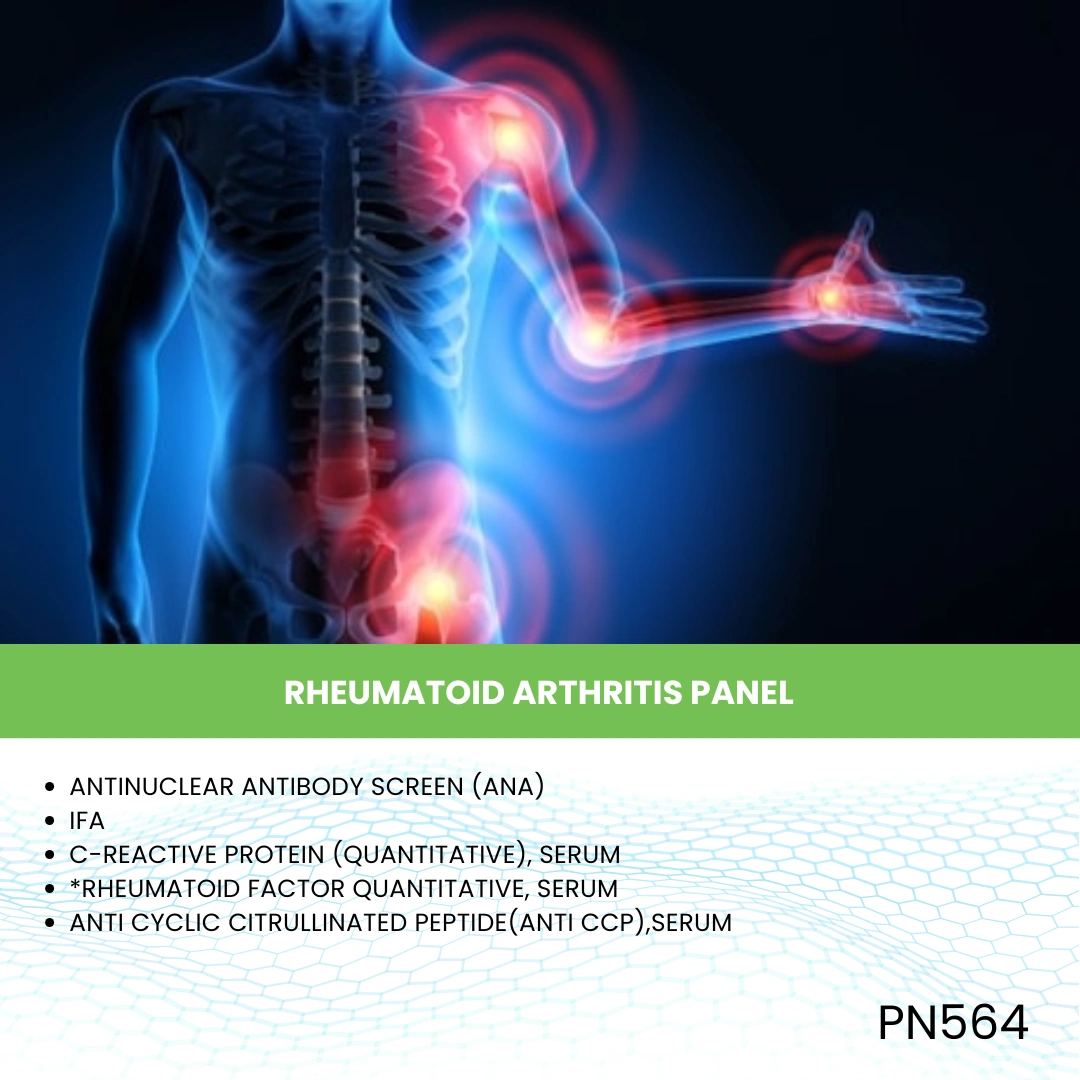
The Rheumatoid Arthritis (RA) Panel is a group of blood tests designed to detect markers of inflammation and autoimmunity that are commonly associated with rheumatoid arthritis. RA is a chronic autoimmune disorder that primarily affects the joints but can also involve other organs. The panel usually includes Rheumatoid Factor (RF), Anti-Cyclic Citrullinated Peptide (Anti-CCP) antibodies, Erythrocyte Sedimentation Rate (ESR), and C-Reactive Protein (CRP). Together, these markers help doctors confirm diagnosis and monitor disease progression.
Uses
This panel is used to:
– Diagnose rheumatoid arthritis in patients with joint pain and stiffness.
– Differentiate RA from other types of arthritis such as osteoarthritis, lupus, or gout.
– Monitor inflammation levels and treatment effectiveness.
– Detect early autoimmune activity before significant joint damage occurs.
– Support long-term management of RA patients.
Symptoms That May Lead to the Test
Doctors may recommend an RA panel if you have:
– Persistent joint swelling, tenderness, or pain (especially in the hands, wrists, or feet).
– Morning stiffness lasting longer than 30 minutes.
– Fatigue, unexplained low-grade fever, or general weakness.
– Joint deformities or loss of mobility.
– Family history of rheumatoid arthritis or autoimmune diseases.
Abnormal Results
Positive Rheumatoid Factor (RF): May indicate RA, though it can also appear in other autoimmune diseases and infections.
Positive Anti-CCP Antibodies: Strongly linked to RA and often detected in early stages.
Elevated ESR or CRP: Indicates active inflammation and helps track disease severity.
Abnormal results alone do not confirm RA and must be interpreted alongside symptoms, physical exam findings, and imaging studies such as X-rays or MRI.
Risks
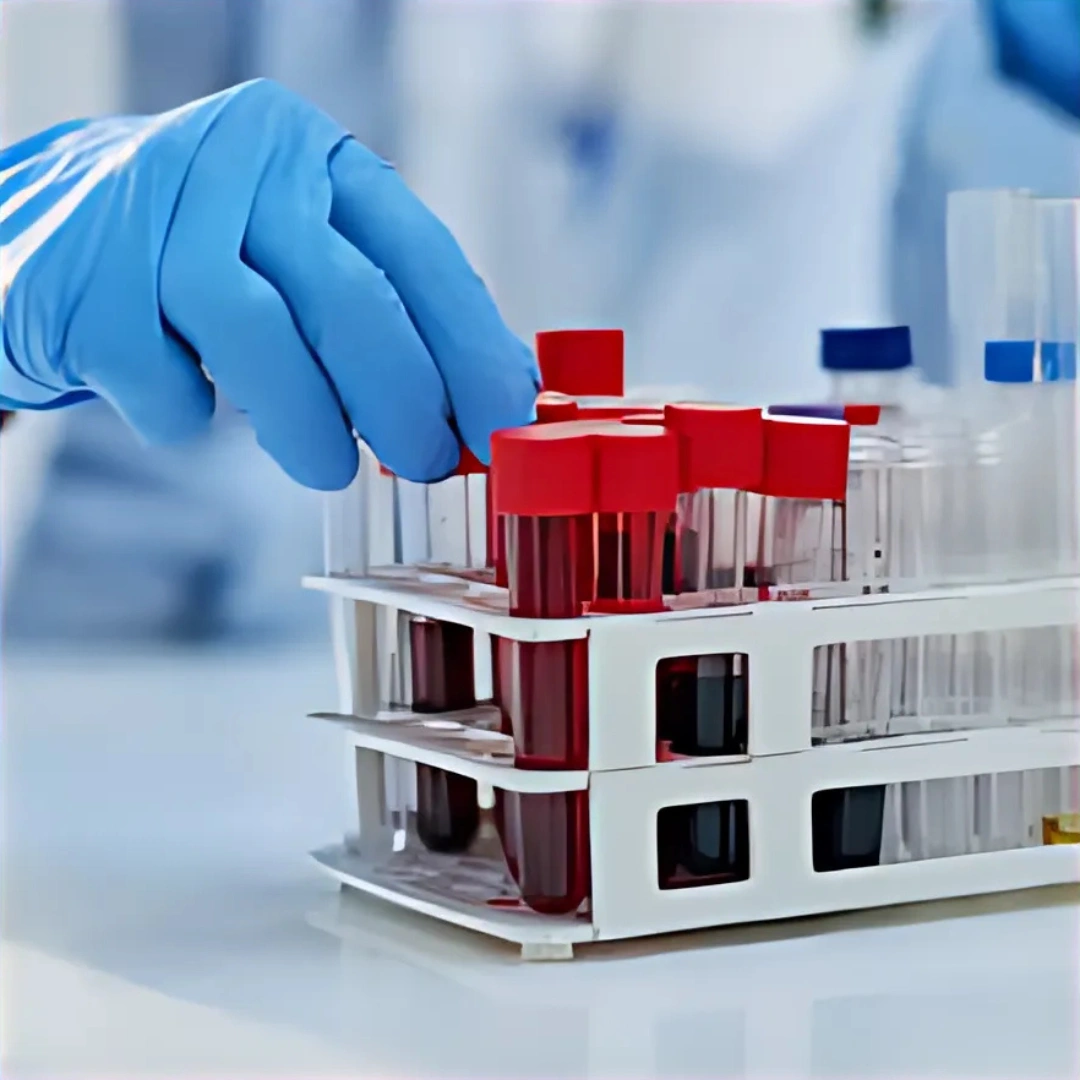
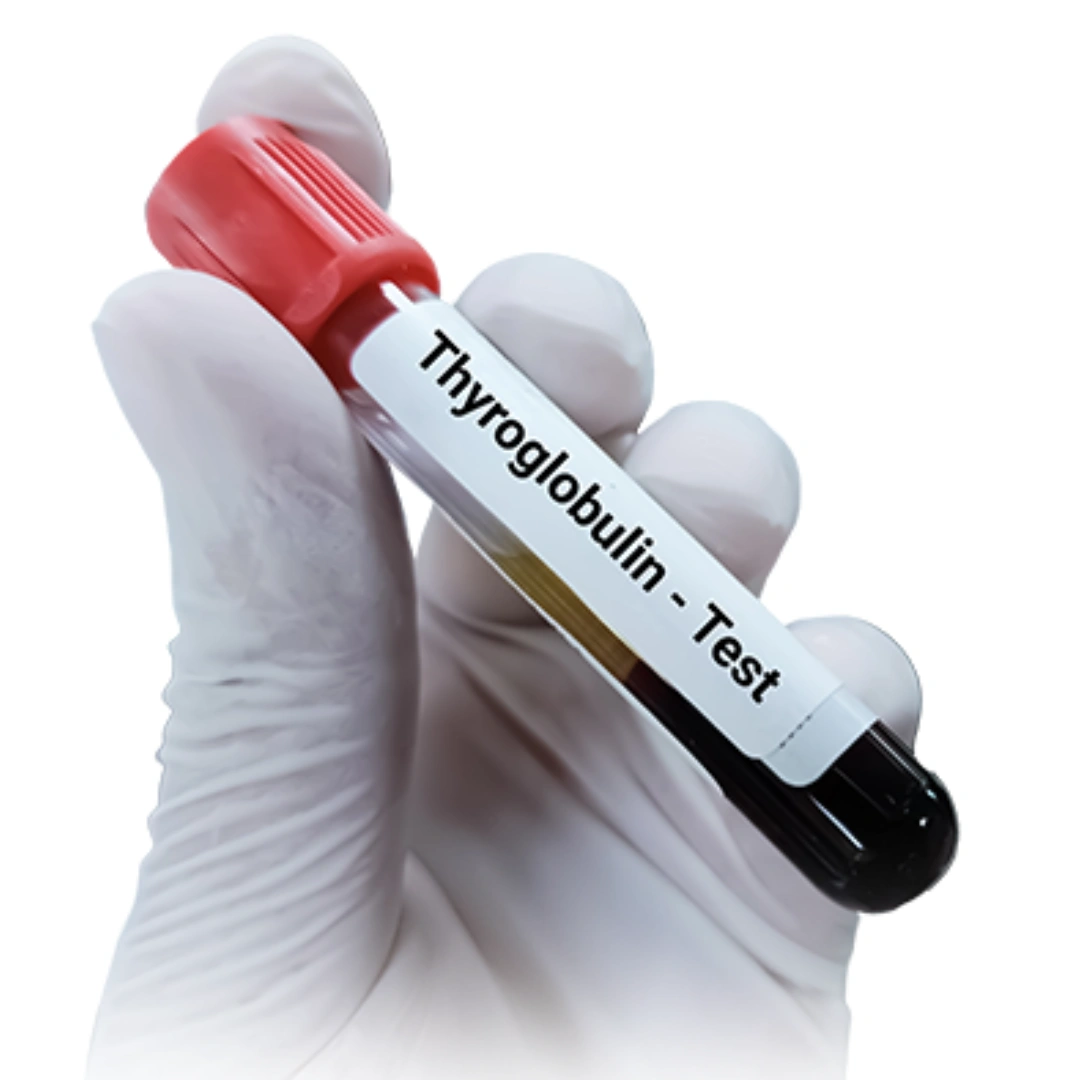
The RA panel requires a routine blood sample. Risks are minimal, limited to slight pain, bruising, or dizziness at the puncture site. The laboratory testing itself poses no risks.


Reviews
There are no reviews yet.