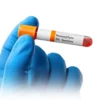
Rheumatoid Factor (Quantitative), Serum
What it is
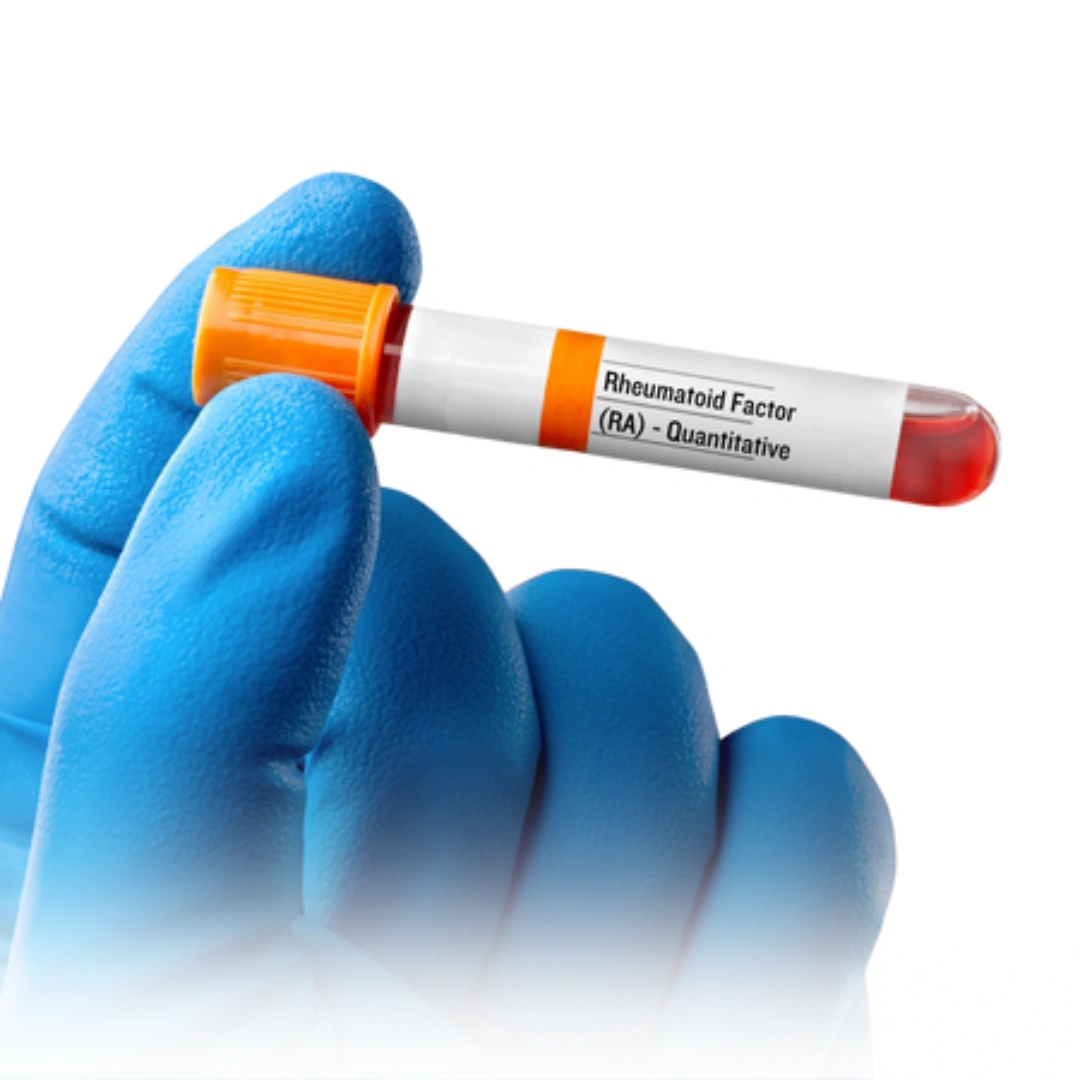
The Rheumatoid Factor (RF) Quantitative, Serum test measures the exact level of rheumatoid factor antibodies in the blood. RF is an autoantibody directed against the body’s own tissues and is commonly associated with autoimmune diseases, particularly rheumatoid arthritis (RA). Unlike the qualitative test, which only reports positive or negative, the quantitative test provides a numerical value to assess antibody concentration and disease activity.
Uses
This test is used to:
- Help diagnose rheumatoid arthritis (RA).
- Monitor disease progression and severity in RA patients.
- Differentiate RA from other joint-related or autoimmune disorders.
- Support diagnosis of conditions like Sjögren’s syndrome or lupus.
- Guide treatment decisions and assess therapy effectiveness.
Symptoms That May Lead to the Test
Doctors may recommend this test if you have:
- Persistent joint pain, swelling, or tenderness.
- Morning stiffness lasting more than 30 minutes.
- Fatigue, low-grade fever, or unexplained weakness.
- Joint deformities or reduced range of motion.
- Associated autoimmune symptoms such as dry eyes and dry mouth.
Abnormal Results
- High RF Levels: Strongly suggest rheumatoid arthritis, especially when combined with symptoms. May also occur in Sjögren’s syndrome, lupus, chronic infections (e.g., hepatitis), or certain cancers.
- Normal or Low RF Levels: Suggest absence of significant antibody activity, but some RA patients (seronegative RA) may still have normal RF values while showing clinical symptoms.
Results are usually interpreted alongside Anti-CCP antibodies, ESR, and CRP for a complete evaluation.
Risks
The test requires a routine blood sample. Risks are minimal and limited to:
- Mild pain or discomfort at the puncture site.
- Minor bruising or bleeding.
- Dizziness or lightheadedness in rare cases.


Reviews
There are no reviews yet.