RPR – Rapid Plasma Reagin (Syphilis Antibody) Test
What it is
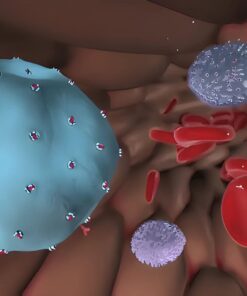
The RPR (Rapid Plasma Reagin) test is a blood test used to detect antibodies produced in response to a syphilis infection. Syphilis is a sexually transmitted infection (STI) caused by the bacterium Treponema pallidum. The RPR test is a non-treponemal screening test, meaning it detects antibodies to substances released by cells damaged by syphilis, rather than to the bacteria itself.
Uses
This test is used to:
- Screen for syphilis in individuals at risk of sexually transmitted infections (STIs).
- Support diagnosis of syphilis when symptoms are present.
- Monitor treatment effectiveness, as antibody levels usually decline after successful therapy.
- Conduct routine screening in pregnancy to prevent congenital syphilis.
- Perform blood donor screening in some settings.
Symptoms That May Lead to the Test
Doctors may recommend the RPR test if you have:
- Genital sores, rashes, or ulcers that may suggest syphilis.
- Unexplained fever, swollen lymph nodes, or fatigue.
- Neurological symptoms such as vision problems, hearing loss, or confusion (in later stages).
- A history of unprotected sex or multiple sexual partners.
- Pregnancy, as part of routine prenatal screening.
Abnormal Results
- Reactive (Positive) Result: Indicates possible syphilis infection. However, since RPR is a screening test, false positives may occur due to conditions like lupus, malaria, HIV, or certain viral infections. Confirmation with treponemal-specific tests (e.g., FTA-ABS, TPHA) is required.
- Non-Reactive (Negative) Result: Suggests no current syphilis infection, but very early or late-stage syphilis may still produce false negatives.
Results must always be interpreted along with clinical findings and confirmatory testing.
Risks
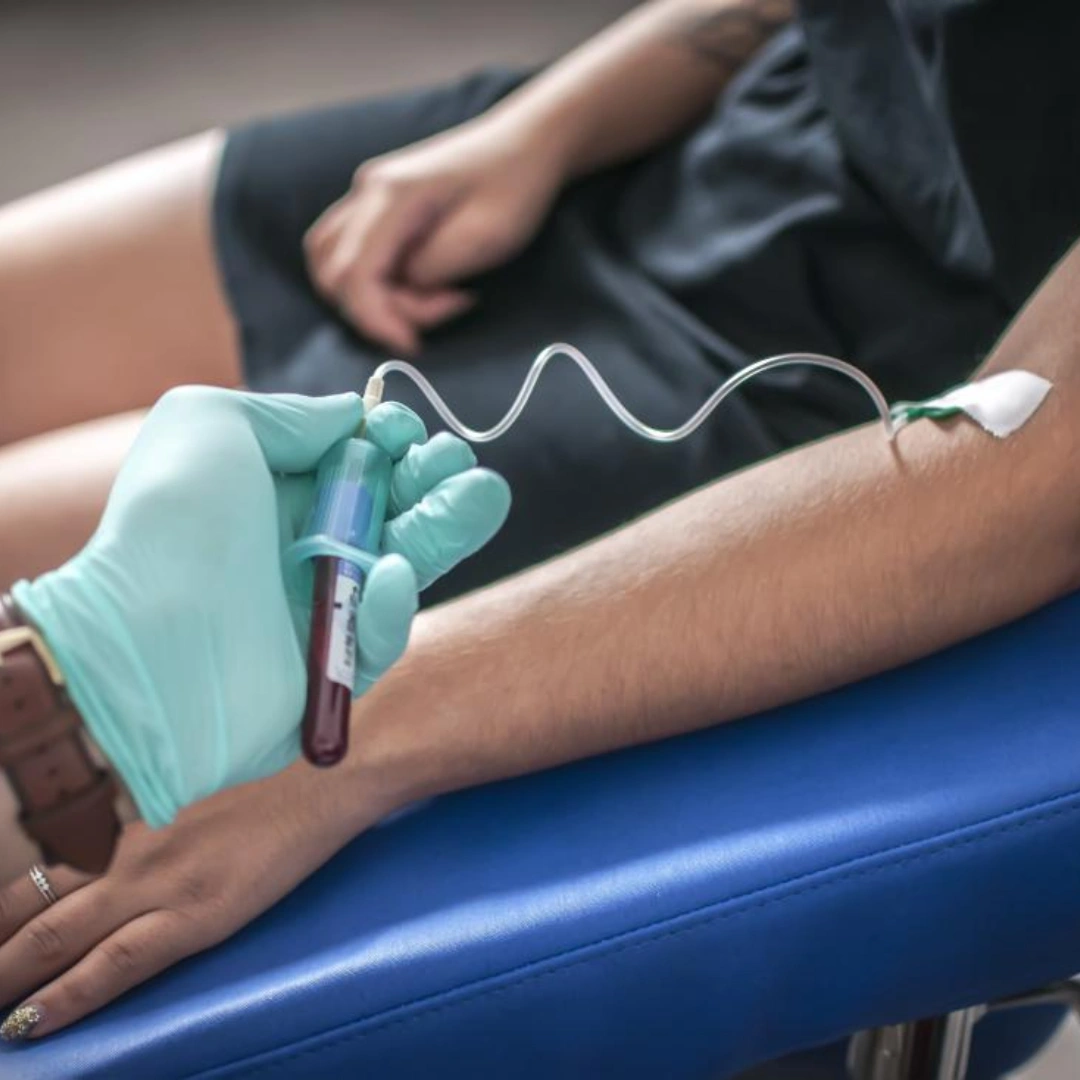
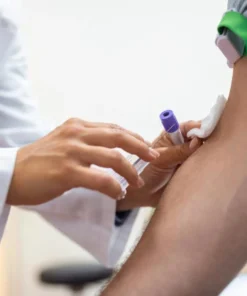
The test requires a simple blood sample. Risks are minimal and may include:
- Mild pain or discomfort at the needle site.
- Minor bruising or bleeding.
- Rare dizziness or fainting after blood draw.


Reviews
There are no reviews yet.