Scl-70 (Anti-Scl-70 Antibody) Test
What it is
The Scl-70 test detects antibodies directed against topoisomerase I, also known as anti-Scl-70 antibodies. These autoantibodies are strongly associated with systemic sclerosis (scleroderma), an autoimmune connective tissue disease. The test helps confirm diagnosis, assess risk of complications, and differentiate systemic sclerosis from other autoimmune disorders.
Uses
This test is used to:
- Support the diagnosis of systemic sclerosis (scleroderma).
- Differentiate systemic sclerosis from other connective tissue diseases such as lupus or rheumatoid arthritis.
- Identify patients at higher risk of developing severe organ complications, especially lung fibrosis.
- Assist doctors in monitoring autoimmune disease progression.
Symptoms / Conditions That May Lead to the Test
Doctors may recommend this test if you have:
- Thickening or hardening of the skin on hands, face, or body.
- Raynaud’s phenomenon (fingers/toes turning white or blue in response to cold).
- Joint pain, stiffness, or swelling.
- Shortness of breath, chronic cough, or suspected lung involvement.
- Digestive issues such as difficulty swallowing, acid reflux, or bloating.
Abnormal Results
- Positive Scl-70: Strongly associated with diffuse cutaneous systemic sclerosis, which often involves internal organ complications such as lung fibrosis or kidney disease.
- Negative Scl-70: Does not rule out systemic sclerosis. Other autoantibodies (e.g., anti-centromere, anti-RNA polymerase III) may be tested for diagnosis.
Results must be interpreted with clinical findings and other laboratory/imaging studies.
Risks
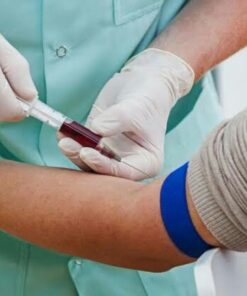
The test requires a routine blood sample. Risks are minimal and may include:
- Mild pain or discomfort at the puncture site.
- Minor bruising or bleeding.
- Rare dizziness or fainting after blood draw.


Reviews
There are no reviews yet.