Sjogren’s Antibody (SS-B / Anti-La)
What it is
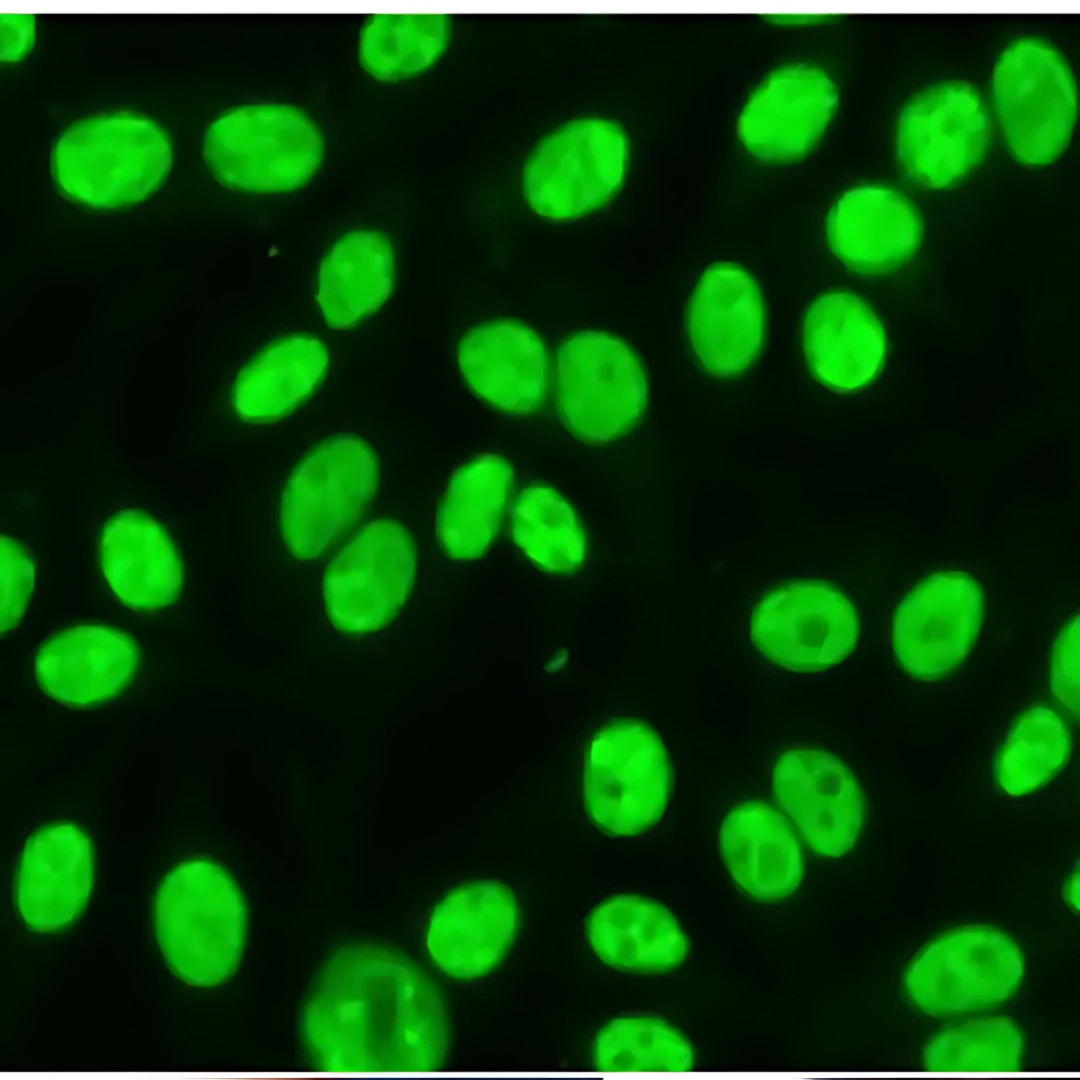
The Sjogren’s Antibody (SS-B / Anti-La) test detects autoantibodies directed against La/SS-B antigens. These antibodies are most strongly associated with Sjogren’s syndrome, an autoimmune disorder that primarily targets the salivary and lacrimal glands, leading to chronic dryness of the mouth and eyes. Anti-La antibodies are also seen in some cases of systemic lupus erythematosus (SLE) and other autoimmune diseases. This test is often performed alongside the Anti-Ro (SS-A) antibody test for a more accurate diagnosis.
Uses
This test is used to:
- Assist in diagnosing Sjogren’s syndrome.
- Differentiate Sjogren’s syndrome from other autoimmune diseases such as lupus or rheumatoid arthritis.
- Support evaluation of systemic autoimmune diseases with overlapping symptoms.
- Identify patients at risk for complications related to Sjogren’s syndrome, such as dental decay, corneal damage, or systemic involvement.
- Provide additional diagnostic confirmation when Anti-Ro (SS-A) antibodies are present.
Symptoms / Conditions That May Lead to the Test
Doctors may recommend this test if you have:
- Persistent dry mouth (difficulty chewing, swallowing, or speaking).
- Chronic dry eyes (burning or gritty sensation).
- Swollen salivary glands or recurrent dental cavities.
- Joint pain, stiffness, or fatigue suggestive of autoimmune disease.
- Other autoimmune conditions such as lupus or rheumatoid arthritis with gland-related symptoms.
Abnormal Results
- Positive Anti-La/SS-B: Strongly supports the diagnosis of Sjogren’s syndrome, especially when found alongside Anti-Ro/SS-A antibodies. May also appear in some patients with lupus and other connective tissue diseases.
- Negative Anti-La/SS-B: Does not rule out Sjogren’s syndrome, as some patients may only test positive for Anti-Ro/SS-A or have seronegative disease.
Results are best interpreted with Anti-Ro (SS-A), ANA testing, and clinical findings for accurate diagnosis.
Risks
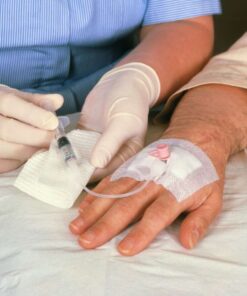
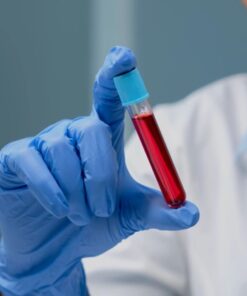
The test requires a routine blood sample. Risks are minimal and may include:
- Mild pain or discomfort at the puncture site.
- Minor bruising or bleeding.
- Rare dizziness or fainting after blood collection.


Reviews
There are no reviews yet.