Sodium, Serum
What it is
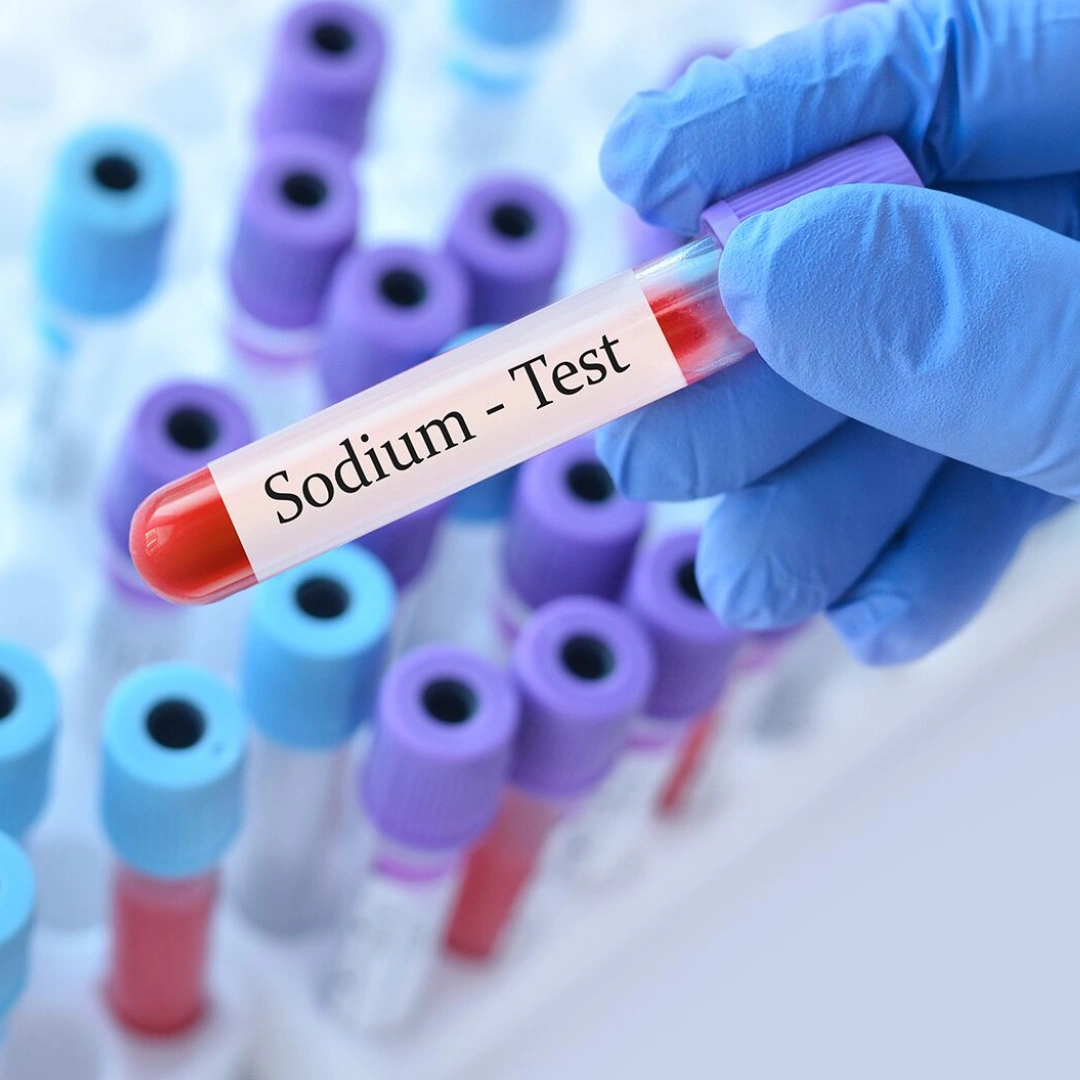
The Sodium, Serum test measures the level of sodium in the blood. Sodium is a vital electrolyte that plays an essential role in maintaining fluid balance, blood pressure, nerve signaling, and muscle contractions. Abnormal sodium levels can indicate dehydration, kidney dysfunction, adrenal gland disorders, or other conditions affecting electrolyte balance.
Uses
This test is used to:
- Assess overall electrolyte and fluid balance in the body.
- Diagnose and monitor dehydration, overhydration, or fluid imbalance.
- Evaluate kidney function and the body’s ability to regulate sodium.
- Help diagnose conditions like hyponatremia (low sodium) or hypernatremia (high sodium).
- Monitor patients receiving IV fluids, diuretics, or medications affecting electrolytes.
Symptoms / Conditions That May Lead to the Test
Doctors may recommend this test if you have:
- Unexplained fatigue, confusion, or irritability.
- Excessive thirst, dehydration, or fluid retention.
- Muscle cramps, weakness, or spasms.
- Swelling in legs, ankles, or around the eyes (edema).
- History of kidney disease, heart failure, or liver cirrhosis.
- Uncontrolled blood pressure or suspected adrenal disorders.
Abnormal Results
- High Serum Sodium (Hypernatremia): May indicate dehydration, excessive salt intake, kidney disease, diabetes insipidus, or hormonal imbalances.
- Low Serum Sodium (Hyponatremia): May result from overhydration, heart failure, cirrhosis, kidney disease, adrenal insufficiency, or certain medications (e.g., diuretics, antidepressants).
Results are interpreted in combination with other electrolyte tests (potassium, chloride) and clinical history for accurate diagnosis.
Risks
The test requires a simple blood sample. Risks are minimal and may include:
- Mild pain or discomfort at the puncture site.
- Minor bruising or bleeding.
- Rare dizziness or fainting after blood collection.


Reviews
There are no reviews yet.