Stone Analysis
What it is
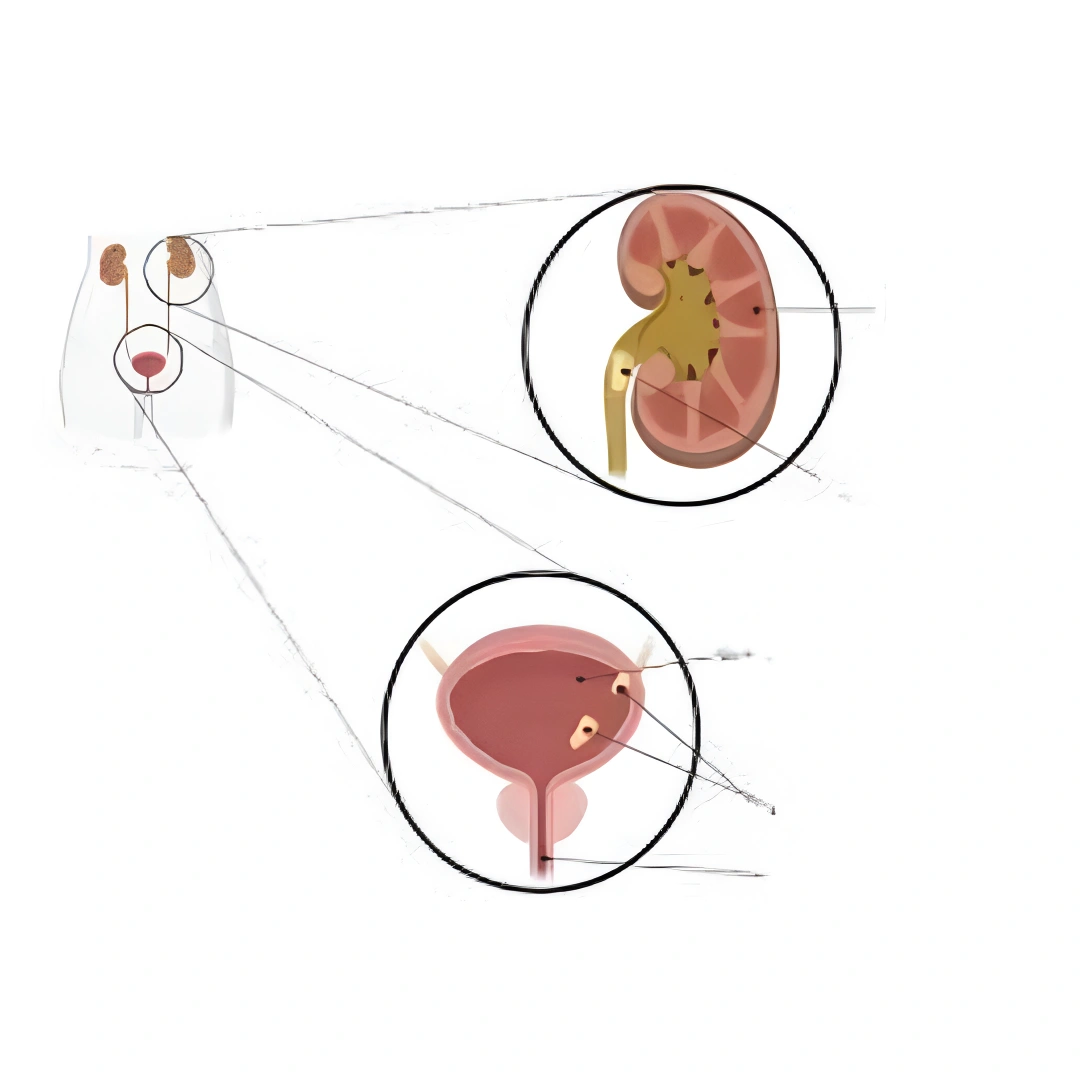
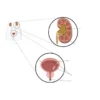
The Stone Analysis test examines the composition of a kidney stone or urinary stone that has been passed naturally, surgically removed, or retrieved after medical procedures. The test identifies the minerals and substances that make up the stone, such as calcium, uric acid, oxalate, cystine, or phosphate. Understanding stone composition helps in identifying the underlying cause and preventing recurrence.
Uses
This test is used to:
- Determine the chemical makeup of kidney or urinary stones.
- Identify risk factors contributing to stone formation.
- Guide personalized treatment and dietary recommendations.
- Differentiate between different types of stones (e.g., calcium oxalate, uric acid, struvite, cystine).
- Prevent recurrence by addressing underlying metabolic or dietary issues.
Symptoms / Conditions That May Lead to the Test
Doctors may recommend this test if you have:
- History of kidney stones or urinary stones.
- Recurrent flank or abdominal pain suggestive of stone disease.
- Blood in urine (hematuria).
- Frequent urinary tract infections (UTIs).
- Family history of kidney stone disease.
- Risk factors like dehydration, high-protein diet, gout, or metabolic disorders.
Abnormal Results
- Calcium Oxalate Stones: Most common; associated with high oxalate intake, dehydration, or metabolic factors.
- Uric Acid Stones: Linked to gout, high-protein diet, or metabolic syndrome.
- Struvite Stones: Associated with chronic urinary tract infections; often grow quickly.
- Cystine Stones: Rare, caused by a genetic condition (cystinuria).
Results guide specific treatment, such as dietary changes, medications, or increased hydration, to prevent recurrence.
Risks
The test itself has no risks since it analyzes the stone material outside the body. Risks may be linked to the procedure used to obtain the stone (e.g., surgery or lithotripsy), but not the analysis itself.


Reviews
There are no reviews yet.