Swab Culture (Miscellaneous)
What it is
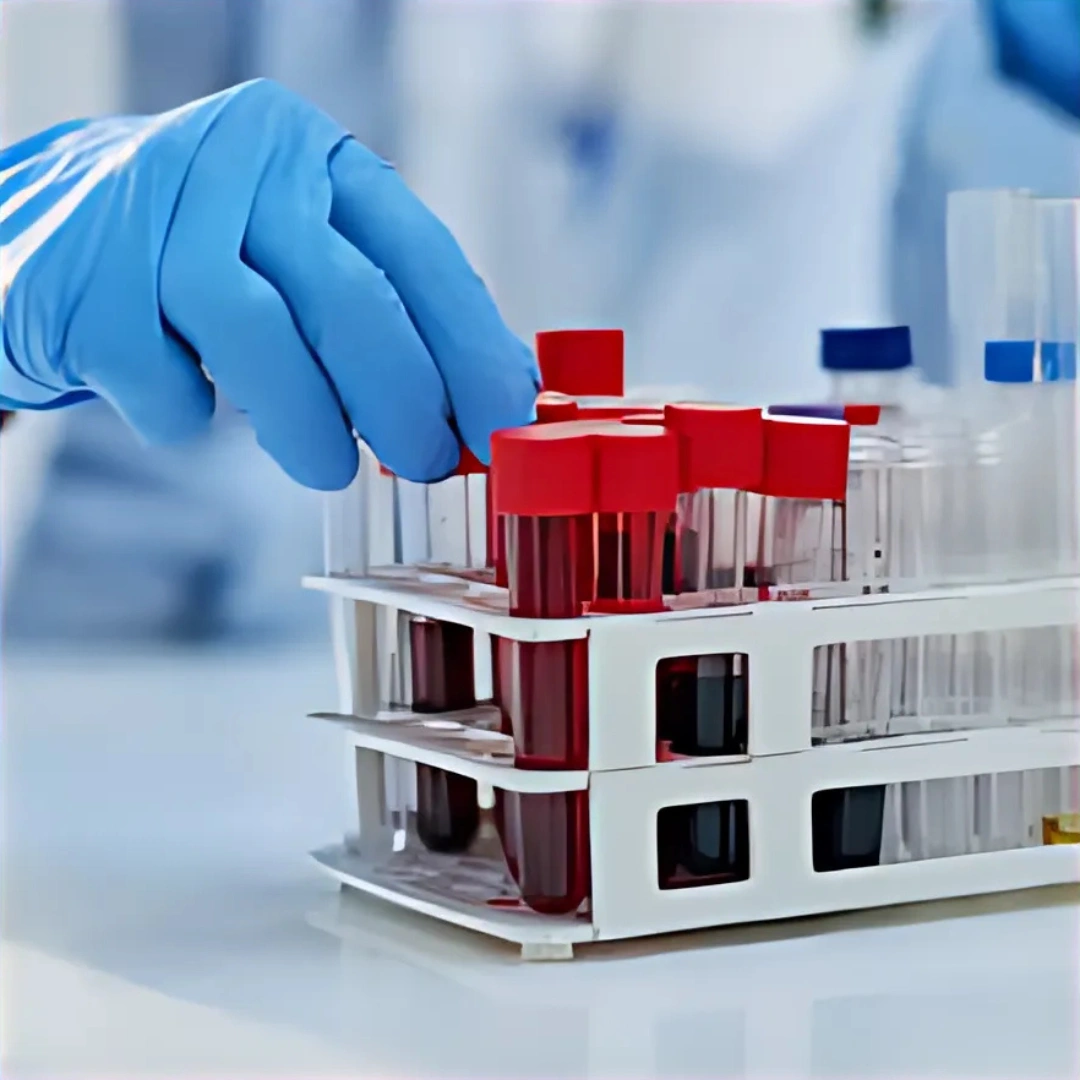
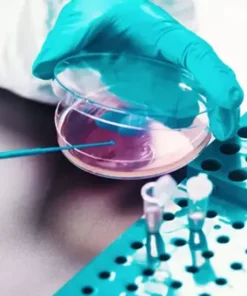
The Swab Culture (Miscellaneous) test involves collecting a sample from a suspected site of infection using a sterile swab and then growing (culturing) the sample in a laboratory to identify bacteria, fungi, or other microorganisms. The term “miscellaneous” refers to swabs taken from sites other than the standard ones (like throat, nasal, or vaginal), including wounds, skin lesions, abscesses, or body fluids.
Uses
This test is used to:
- Identify the type of microorganism causing infection.
- Guide targeted antibiotic, antifungal, or antimicrobial treatment.
- Differentiate between bacterial, fungal, and mixed infections.
- Support the diagnosis of unusual or persistent infections at non-routine sites.
- Assist in monitoring response to treatment.
Symptoms / Conditions That May Lead to the Test
Doctors may recommend this test if you have:
- Non-healing wounds or ulcers.
- Skin or soft tissue infections with pus or discharge.
- Abscesses or boils that require microbiological confirmation.
- Chronic or recurrent localized infections.
- Post-surgical wound infections.
- Suspicion of unusual microbial growth in specific body sites.
Abnormal Results
- Positive Culture: Indicates the presence of specific bacteria, fungi, or other microorganisms. Sensitivity testing is usually performed to determine which antibiotics or antifungals will be effective.
- Negative Culture: Suggests no significant microbial growth. In some cases, infection may still be present if organisms are not easily cultured (e.g., viruses or fastidious bacteria).
Results are interpreted along with clinical symptoms, imaging, and other laboratory findings.
Risks
The test itself is safe. Risks are only related to swab collection and may include:
- Mild discomfort at the swab site.
- Possible minor bleeding if the swab contacts a sensitive area.
- Risk of contamination if the swab is not collected properly, which may affect accuracy.


Reviews
There are no reviews yet.