Thyroglobulin, Serum
What it is
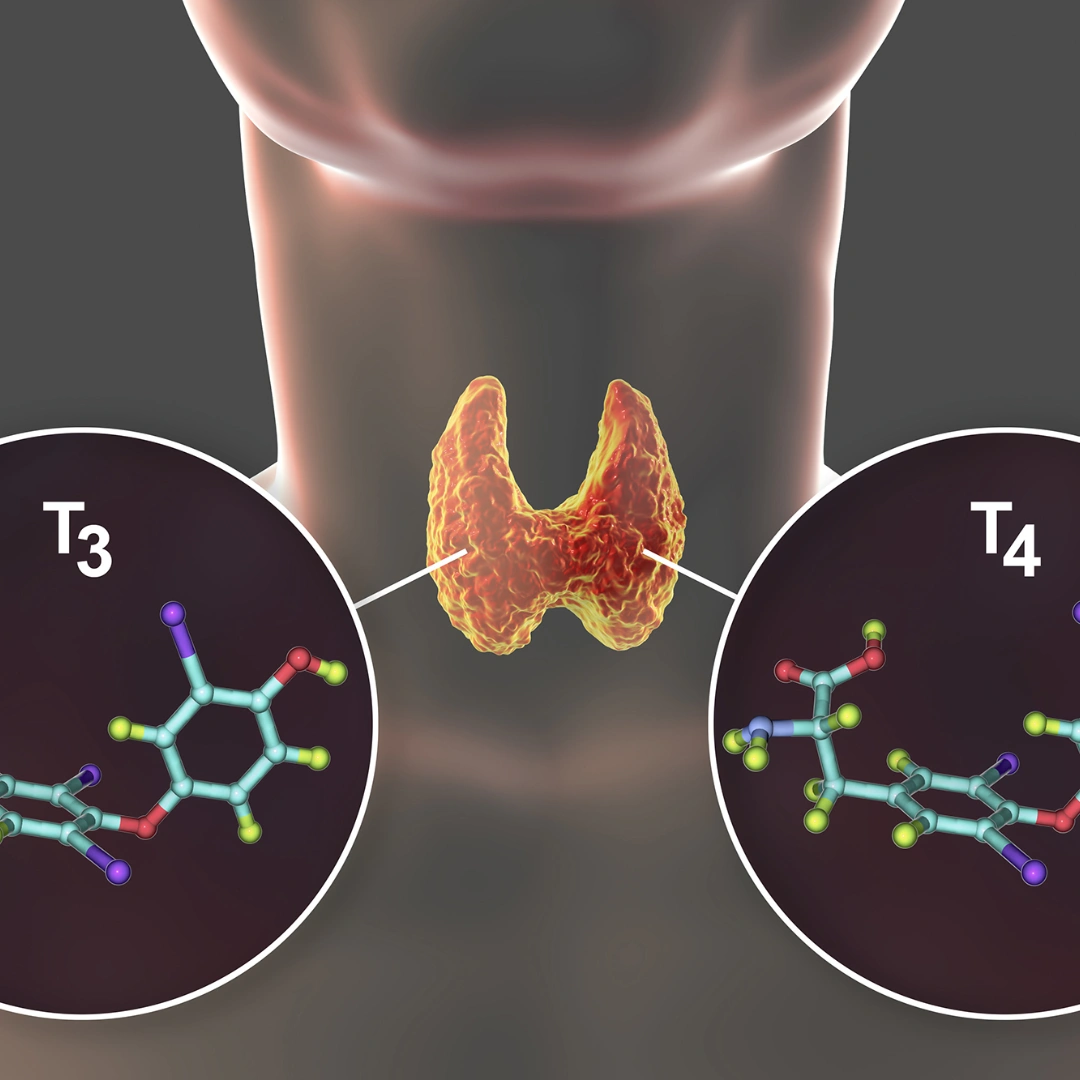
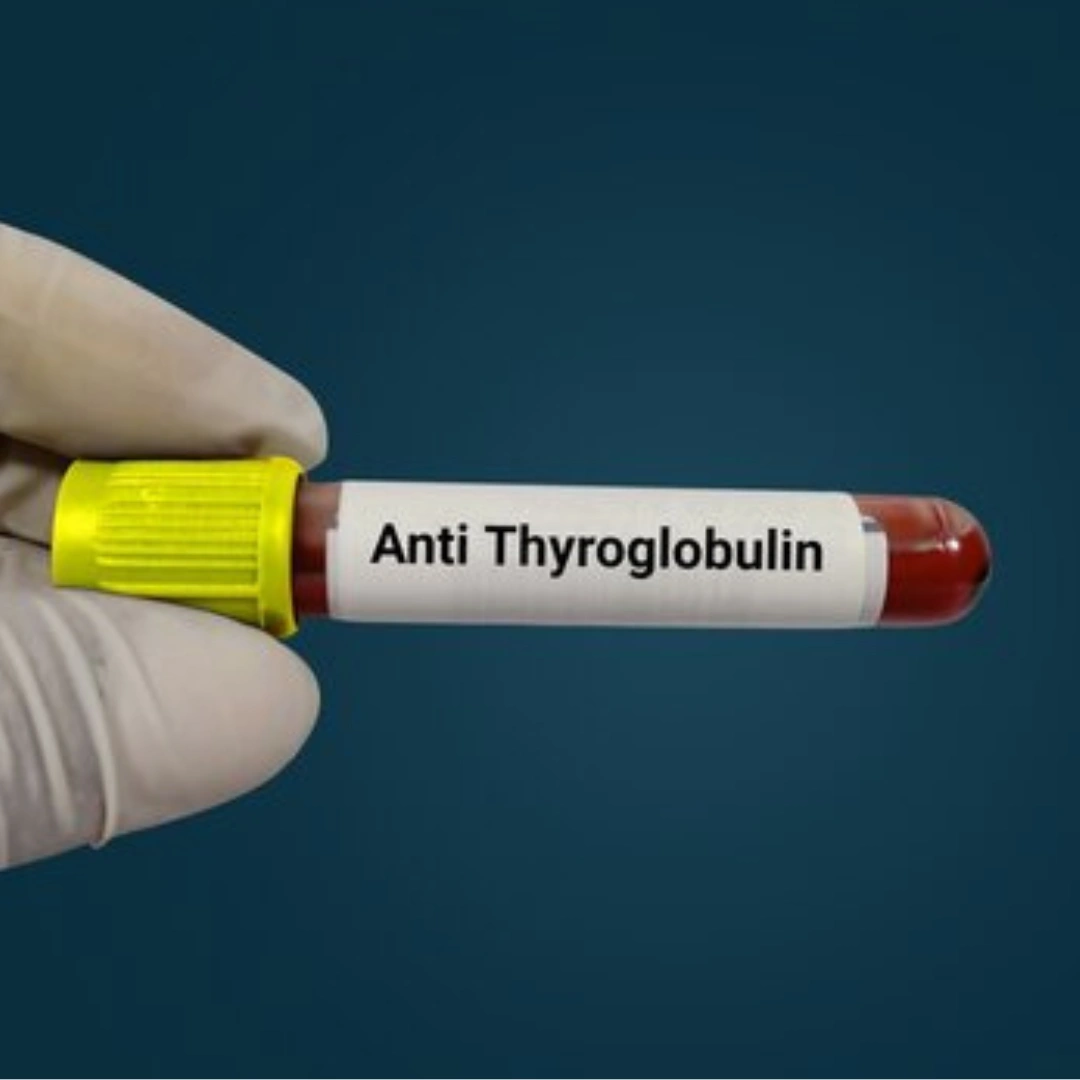
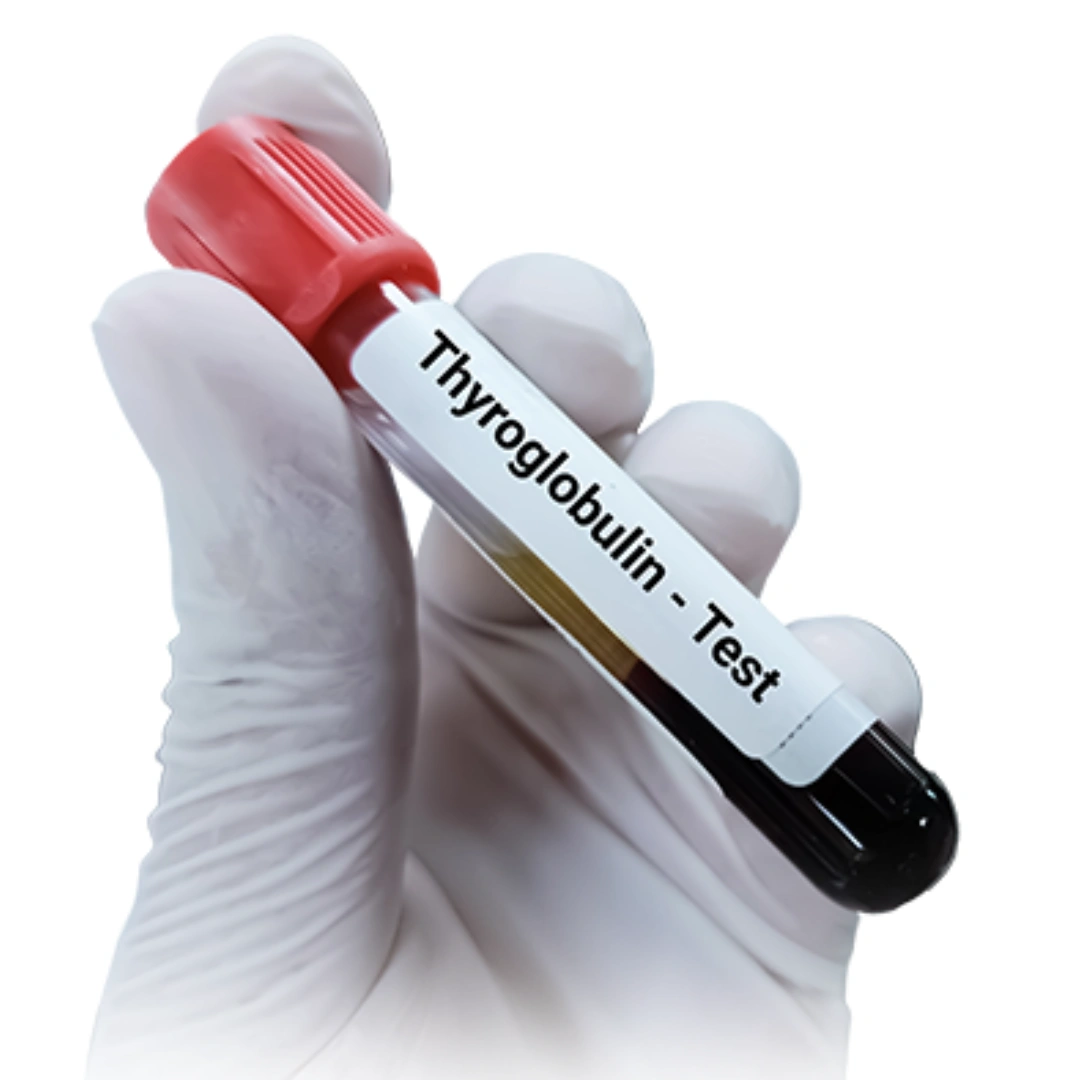
The Thyroglobulin, Serum test measures the level of thyroglobulin, a protein produced only by the thyroid gland. Thyroglobulin is used by the body to make thyroid hormones (T3 and T4). Since it is specific to thyroid tissue, this test is primarily used as a tumor marker in patients with thyroid cancer and to monitor thyroid function after thyroid surgery or radioactive iodine treatment.
Uses
This test is mainly used to monitor patients with a history of thyroid cancer, particularly differentiated thyroid cancers such as papillary and follicular thyroid carcinoma. It helps detect recurrence or metastasis after thyroidectomy. It may also be ordered to evaluate the presence of residual thyroid tissue after treatment or to assist in monitoring other thyroid conditions. Thyroglobulin antibody testing is often performed alongside this test, since antibodies can interfere with results.
Symptoms That May Lead to the Test
Doctors usually order this test in patients already diagnosed with thyroid cancer, especially after treatment, to monitor disease progression or recurrence. It may also be considered in individuals with abnormal thyroid findings, suspicious nodules, or in follow-up care after thyroid removal.
Abnormal Results
High Thyroglobulin Levels: May indicate residual or recurrent thyroid cancer, metastasis, or remaining thyroid tissue after surgery. Elevated levels can also occur in benign thyroid conditions such as goiter, thyroiditis, or hyperthyroidism.
Low or Undetectable Thyroglobulin: Is expected in patients who have undergone complete thyroidectomy and radioactive iodine ablation, suggesting no residual thyroid tissue or cancer.
Results must always be interpreted alongside thyroglobulin antibody (TgAb) testing and imaging studies for accuracy.
Risks
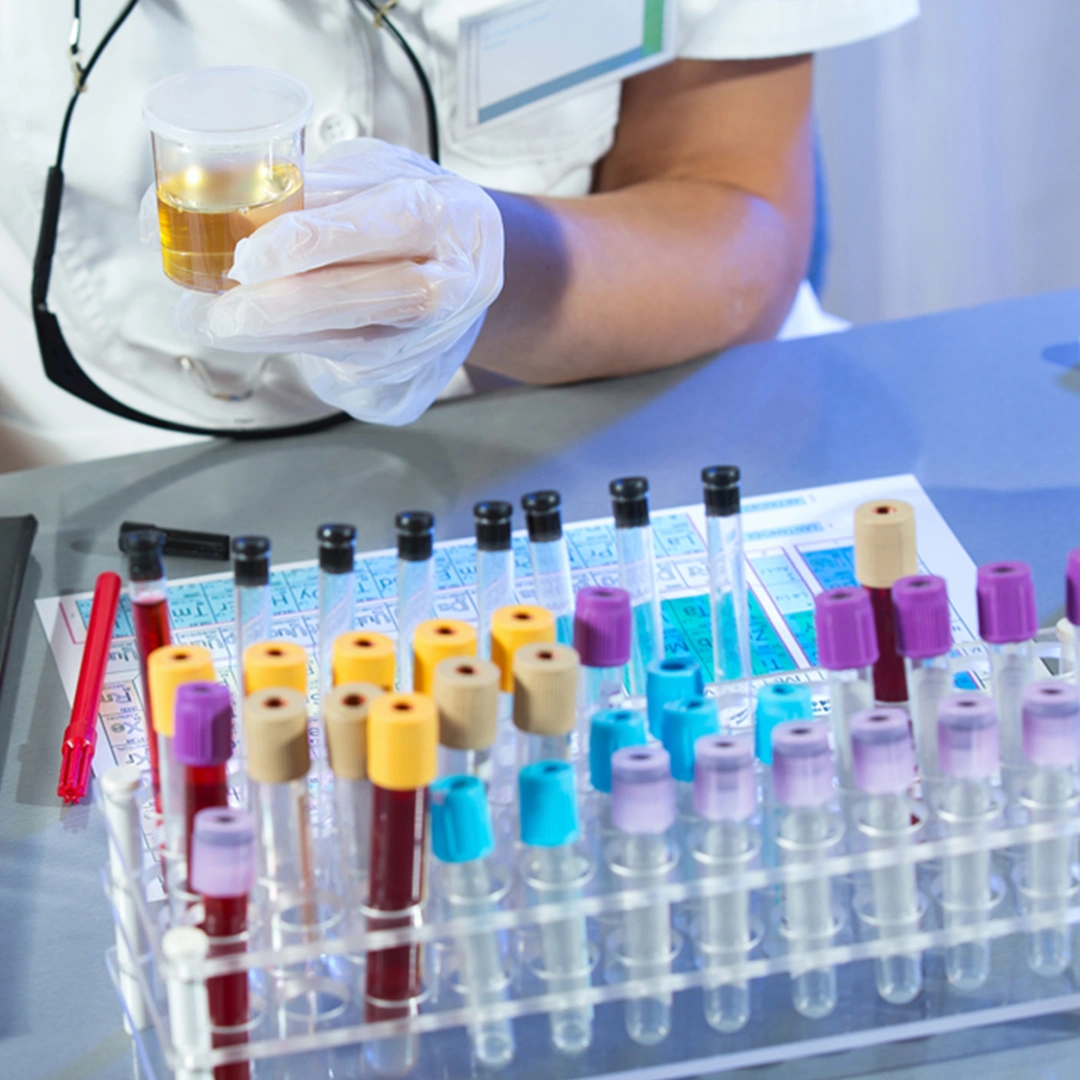
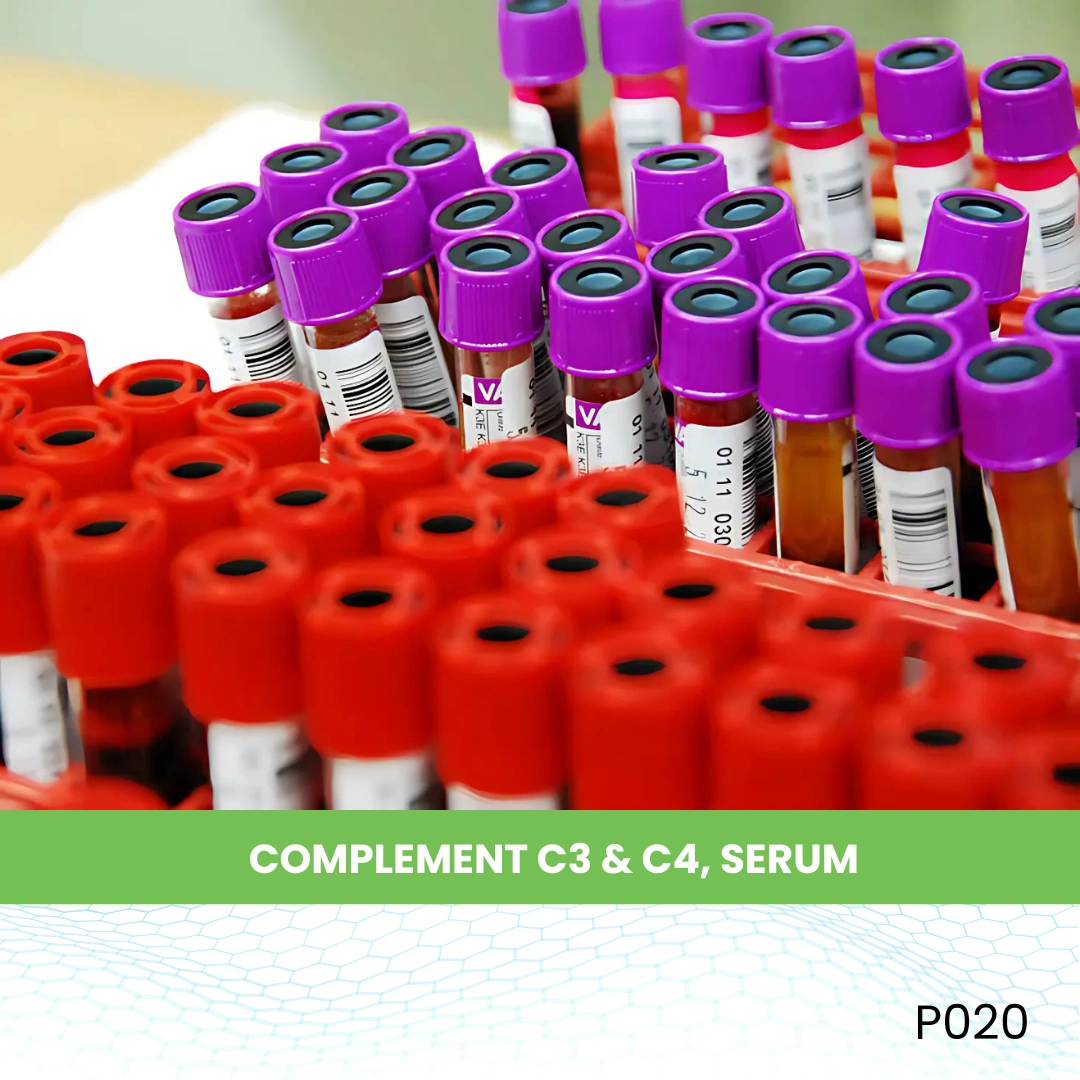
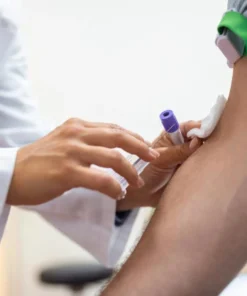
The test requires a blood sample, with minimal risks such as slight pain, bruising, or temporary dizziness at the puncture site. There are no long-term complications associated with the test.


Reviews
There are no reviews yet.