Total Bile Acids
What it is
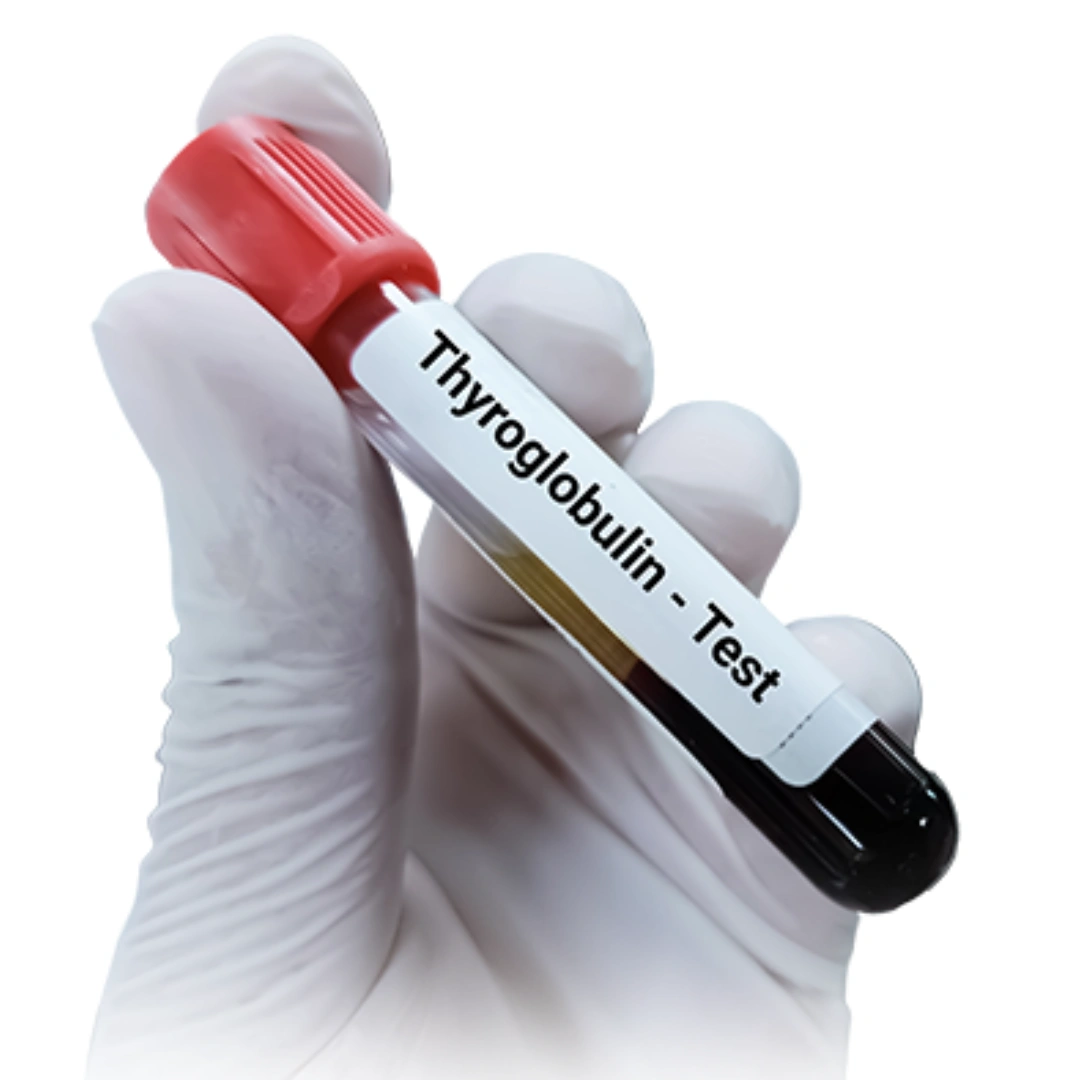
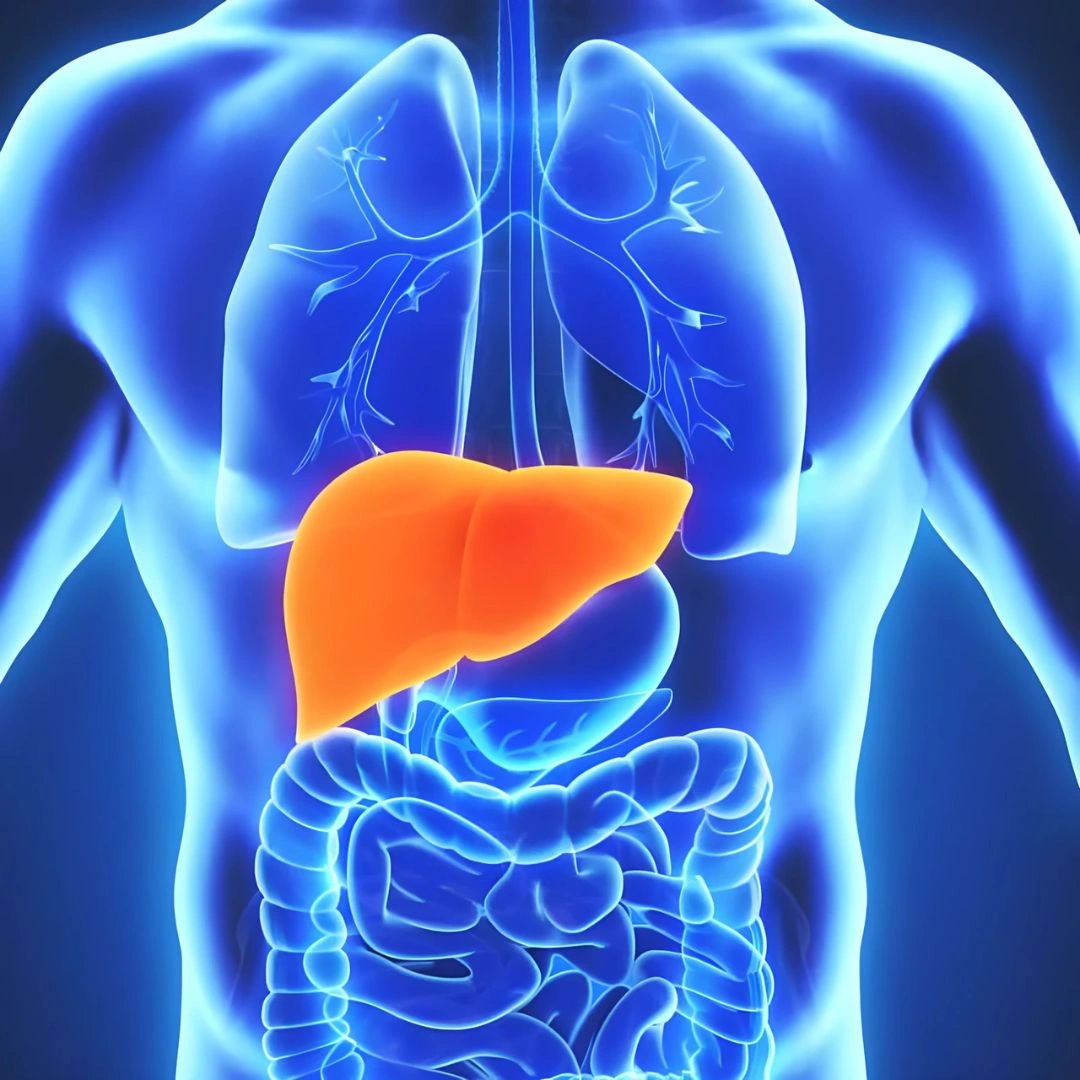
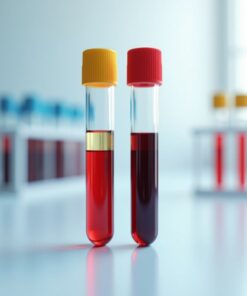
The Total Bile Acids test measures the level of bile acids in the blood. Bile acids are produced by the liver and play a key role in the digestion and absorption of fats. When the liver is not functioning properly or bile flow is blocked, bile acids can accumulate in the bloodstream.
Uses
This test is used to evaluate liver function, detect cholestasis (reduced or blocked bile flow), and monitor liver-related conditions. It is also important in pregnancy for diagnosing intrahepatic cholestasis of pregnancy (ICP), a condition that can increase risks for both mother and baby.
Symptoms That May Lead to the Test
Doctors may recommend this test if you experience unexplained itching (especially during pregnancy), jaundice (yellowing of skin or eyes), dark-colored urine, pale stools, abdominal discomfort, or fatigue related to liver dysfunction.
Abnormal Results
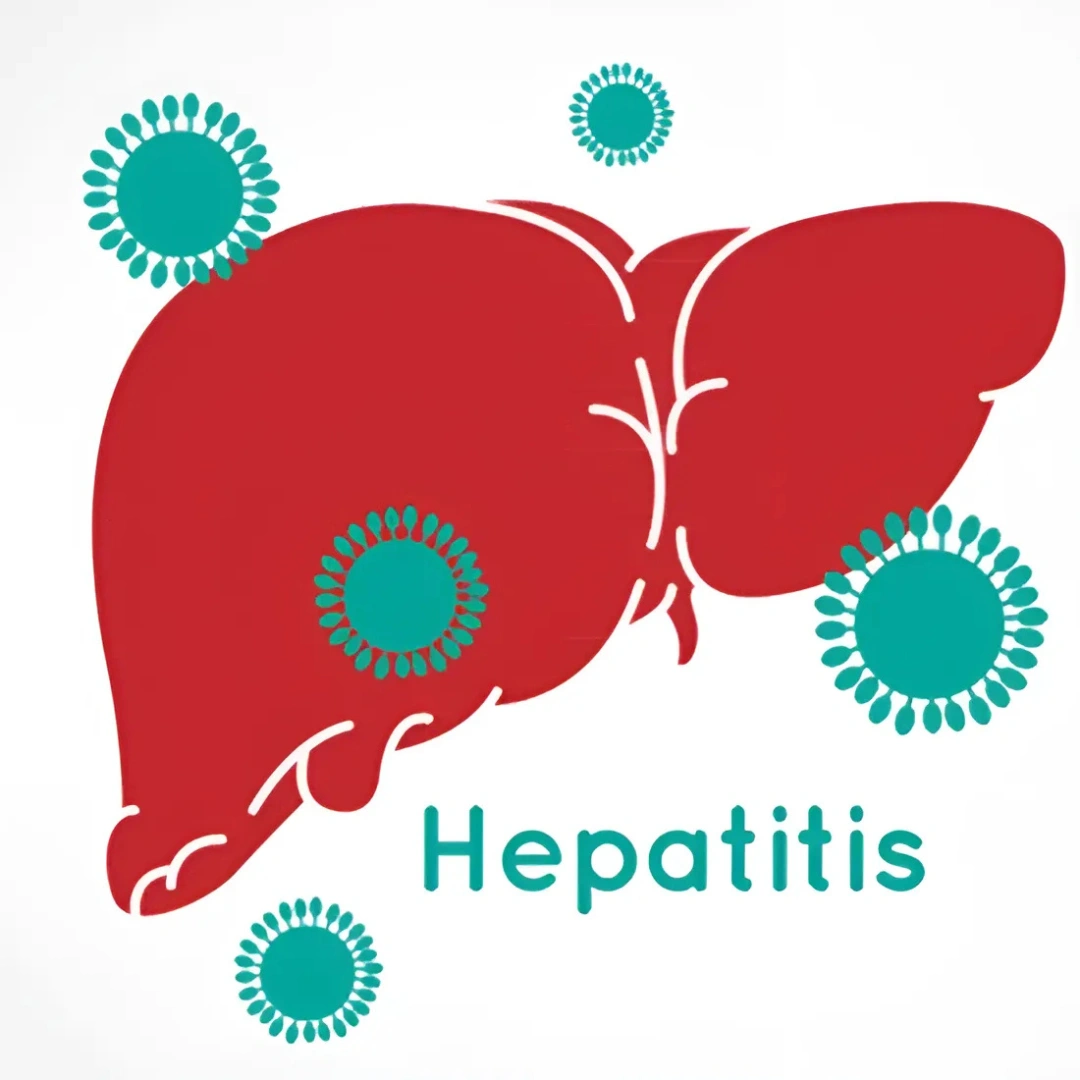
High Bile Acids: May indicate liver diseases such as hepatitis, cirrhosis, bile duct obstruction, or intrahepatic cholestasis of pregnancy. Elevated bile acids suggest impaired bile flow or abnormal liver metabolism.
Normal Bile Acids: Suggest normal liver function and effective bile acid regulation.
Risks
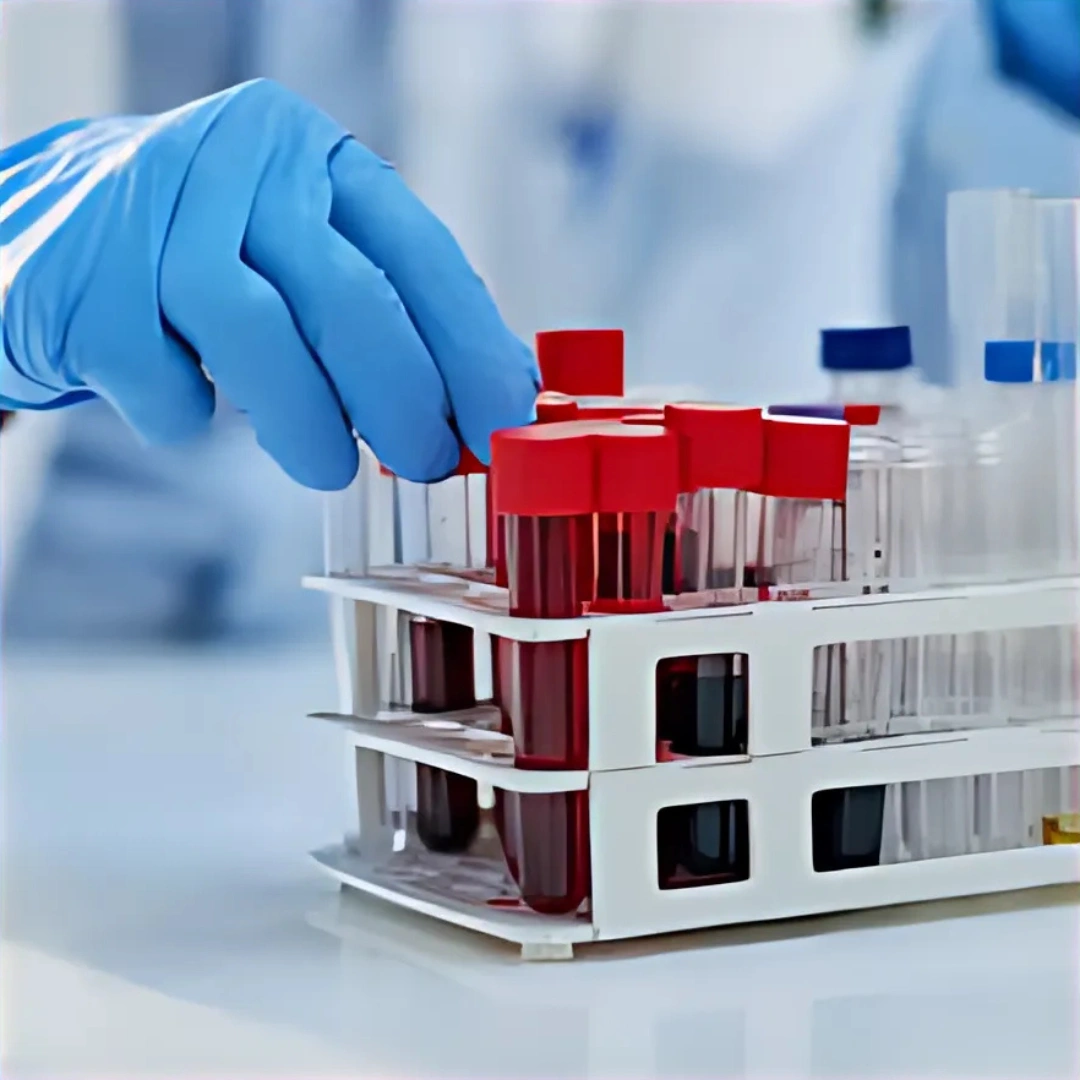
The Total Bile Acids test is a routine blood test with minimal risks. Mild pain, bruising, or bleeding at the puncture site may occur, and in rare cases, dizziness or infection can develop.


Reviews
There are no reviews yet.