Total Leucocyte Count (TLC), Whole Blood
What it is
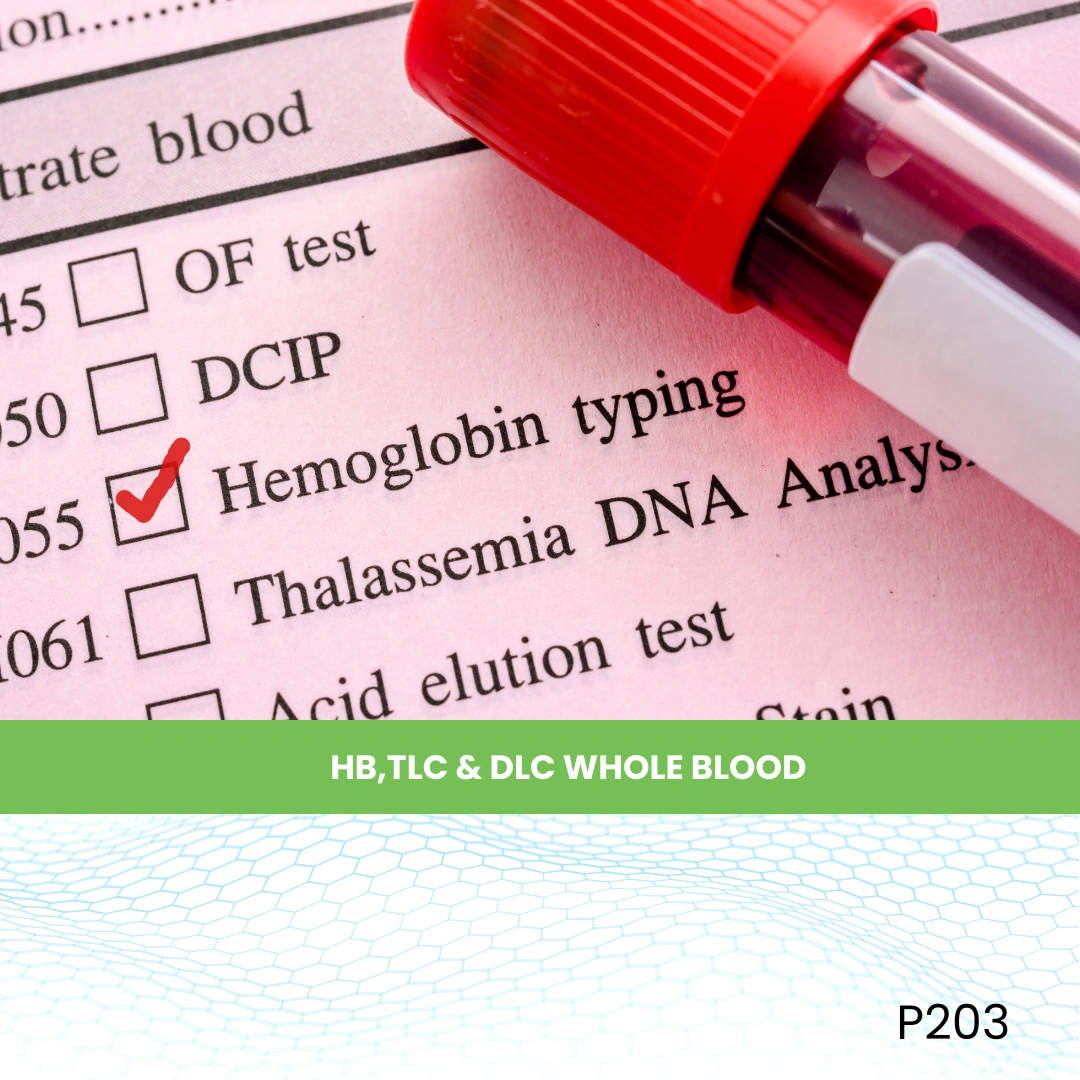
The Total Leucocyte Count (TLC) test measures the total number of white blood cells (leucocytes) present in a blood sample. White blood cells are an essential part of the immune system, helping the body fight against infections, inflammation, and other diseases.
Uses
This test is commonly used to evaluate overall immune system health, detect infections, monitor blood disorders, and assess response to treatments such as chemotherapy. It is also included as part of a Complete Blood Count (CBC) panel.
Symptoms That May Lead to the Test
Doctors may recommend a TLC test if you experience recurrent fever, frequent infections, fatigue, weakness, inflammation, night sweats, or unexplained weight loss. It is also ordered for patients on immunosuppressive therapy or with suspected hematological conditions.
Abnormal Results
High TLC (Leukocytosis): May indicate bacterial infections, inflammation, stress, tissue damage, certain cancers like leukemia, or use of corticosteroid medications.
Low TLC (Leukopenia): May suggest viral infections, bone marrow suppression, autoimmune diseases, HIV/AIDS, chemotherapy, or certain medications that lower white cell production.
Risks
The Total Leucocyte Count test is a simple blood test with minimal risks. Possible side effects include mild pain, bruising, or bleeding at the puncture site, and in rare cases, dizziness or infection.


Reviews
There are no reviews yet.