Triglycerides, Serum
What it is
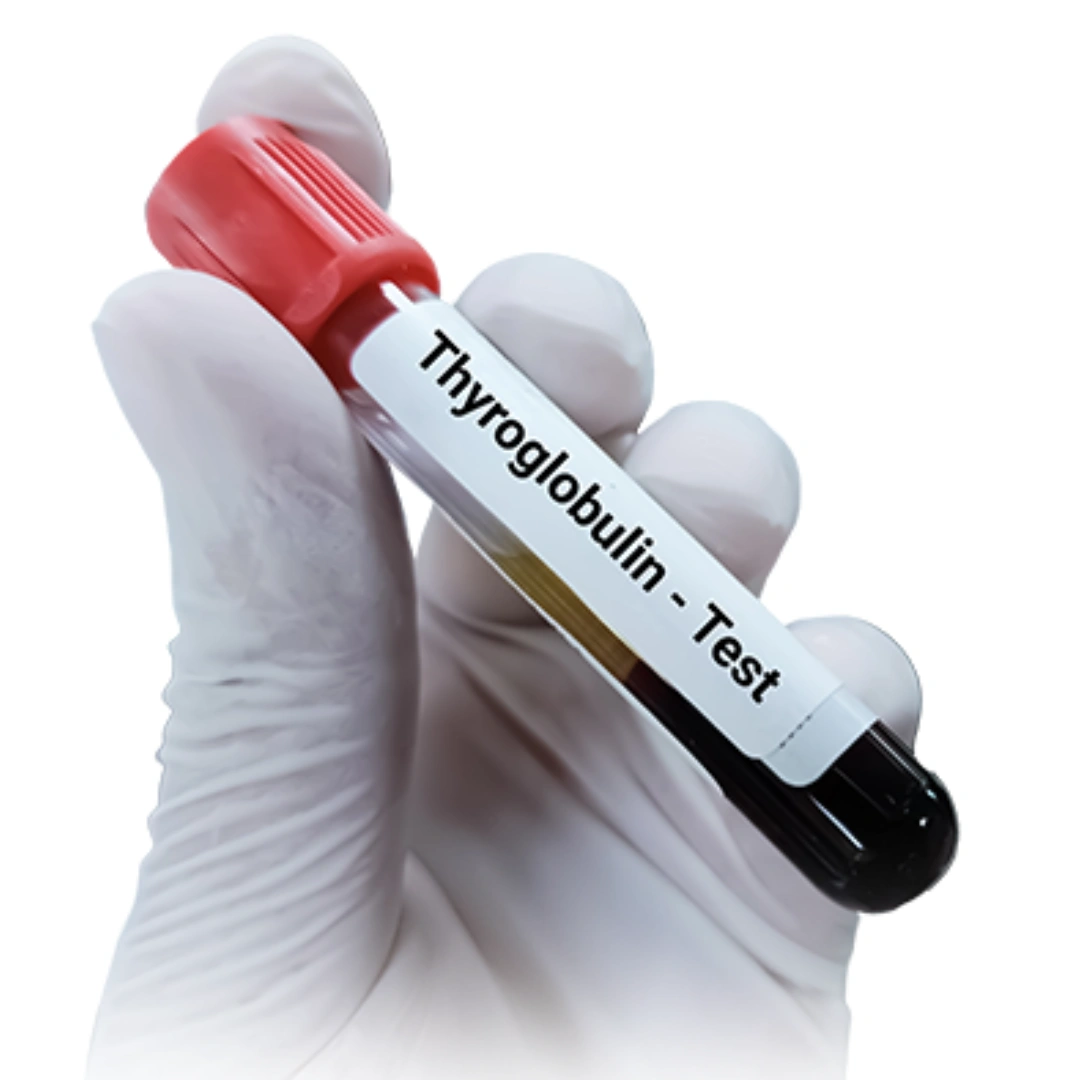
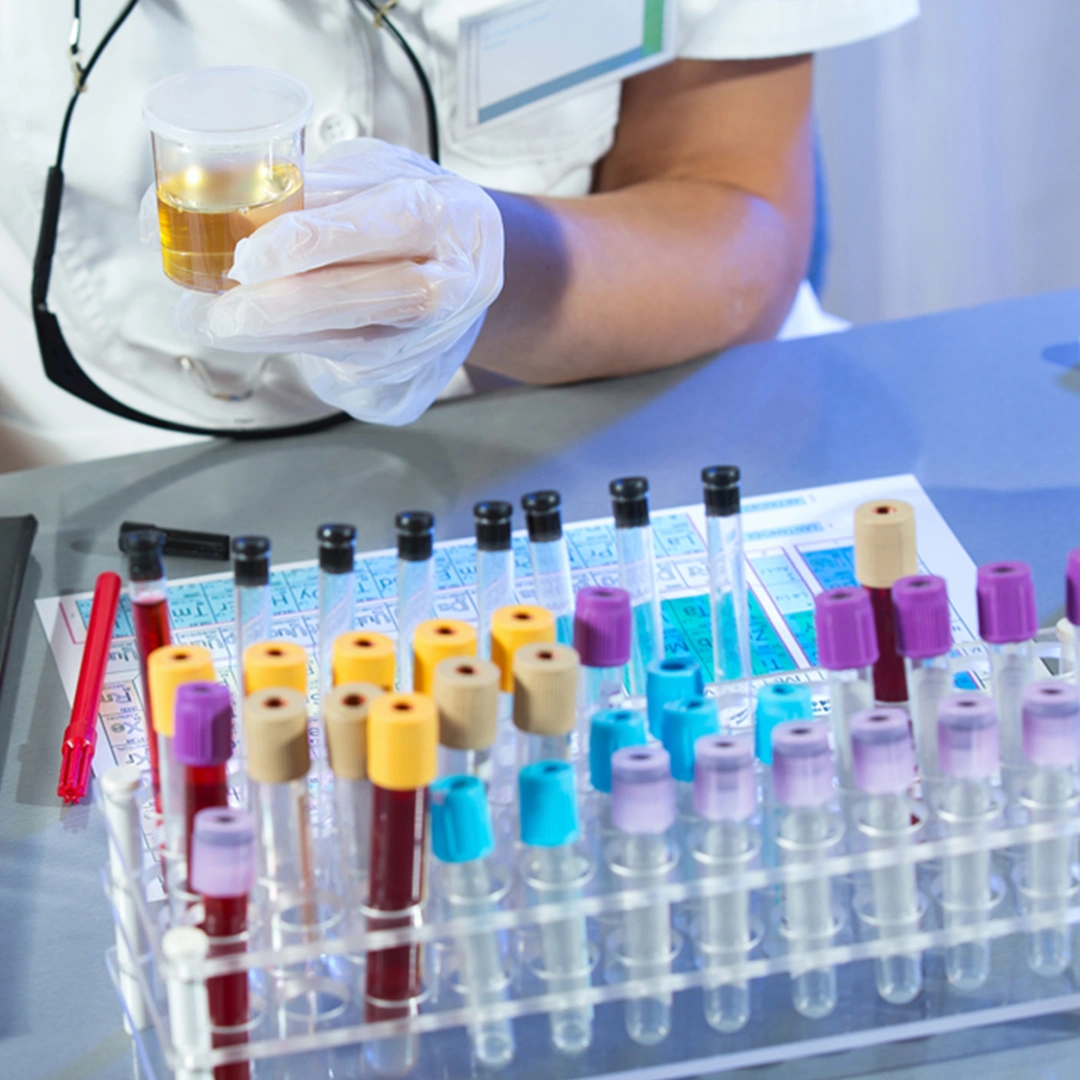
The Triglycerides Serum test measures the level of triglycerides, a type of fat (lipid), in the blood. Triglycerides are the body’s main form of stored energy, produced from dietary fats and excess calories. High triglyceride levels are linked to an increased risk of cardiovascular disease and pancreatitis.
Uses
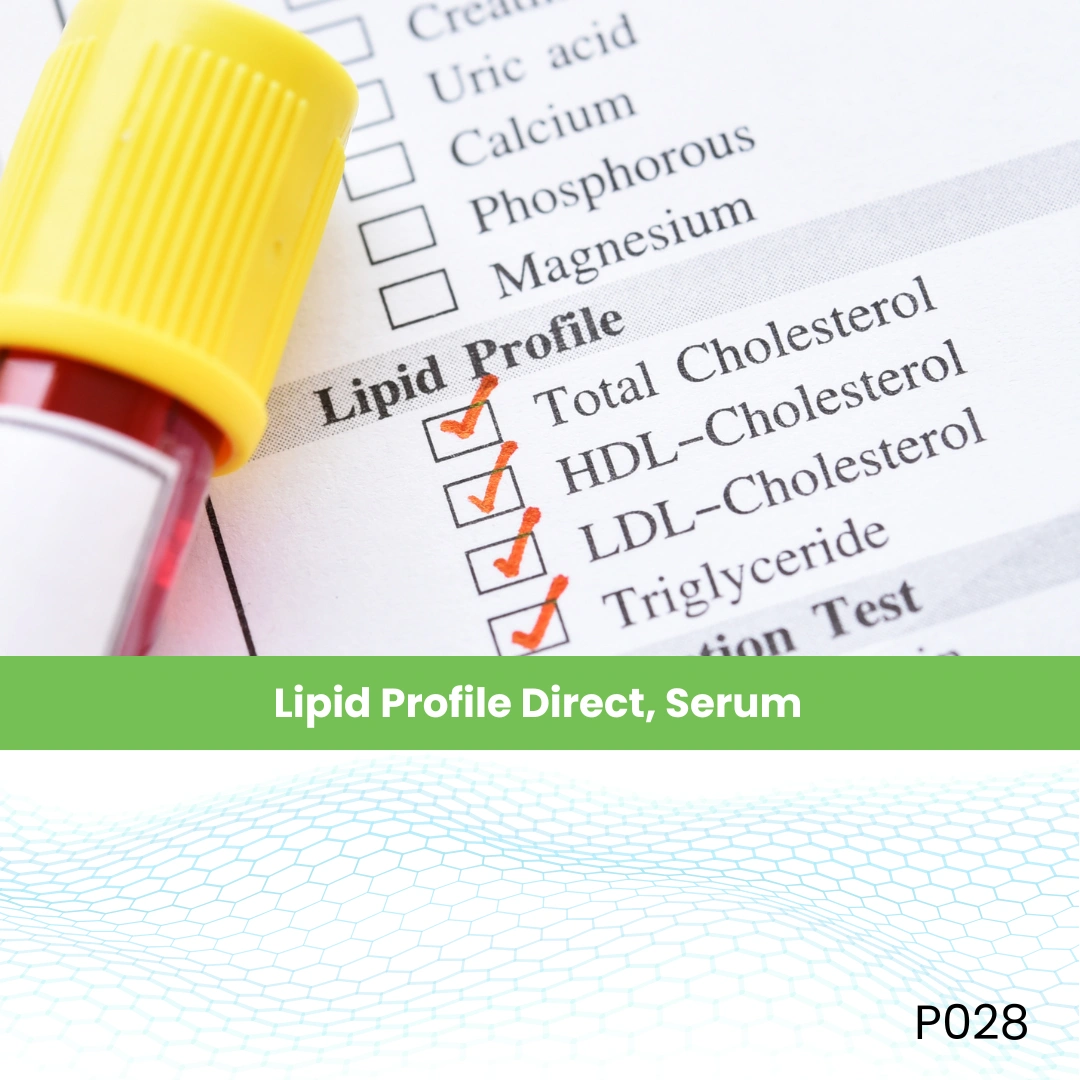
This test helps evaluate cardiovascular risk, detect hyperlipidemia, monitor patients with diabetes, obesity, or liver disease, and assess the effectiveness of diet, lifestyle changes, or lipid-lowering treatment. It is commonly done as part of a lipid profile.
Symptoms That May Lead to the Test
Doctors may order this test if you have a family history of heart disease, high cholesterol, diabetes, obesity, or hypertension. It is also useful in cases of unexplained pancreatitis or signs of metabolic syndrome, such as abdominal obesity and abnormal cholesterol levels.
Abnormal Results
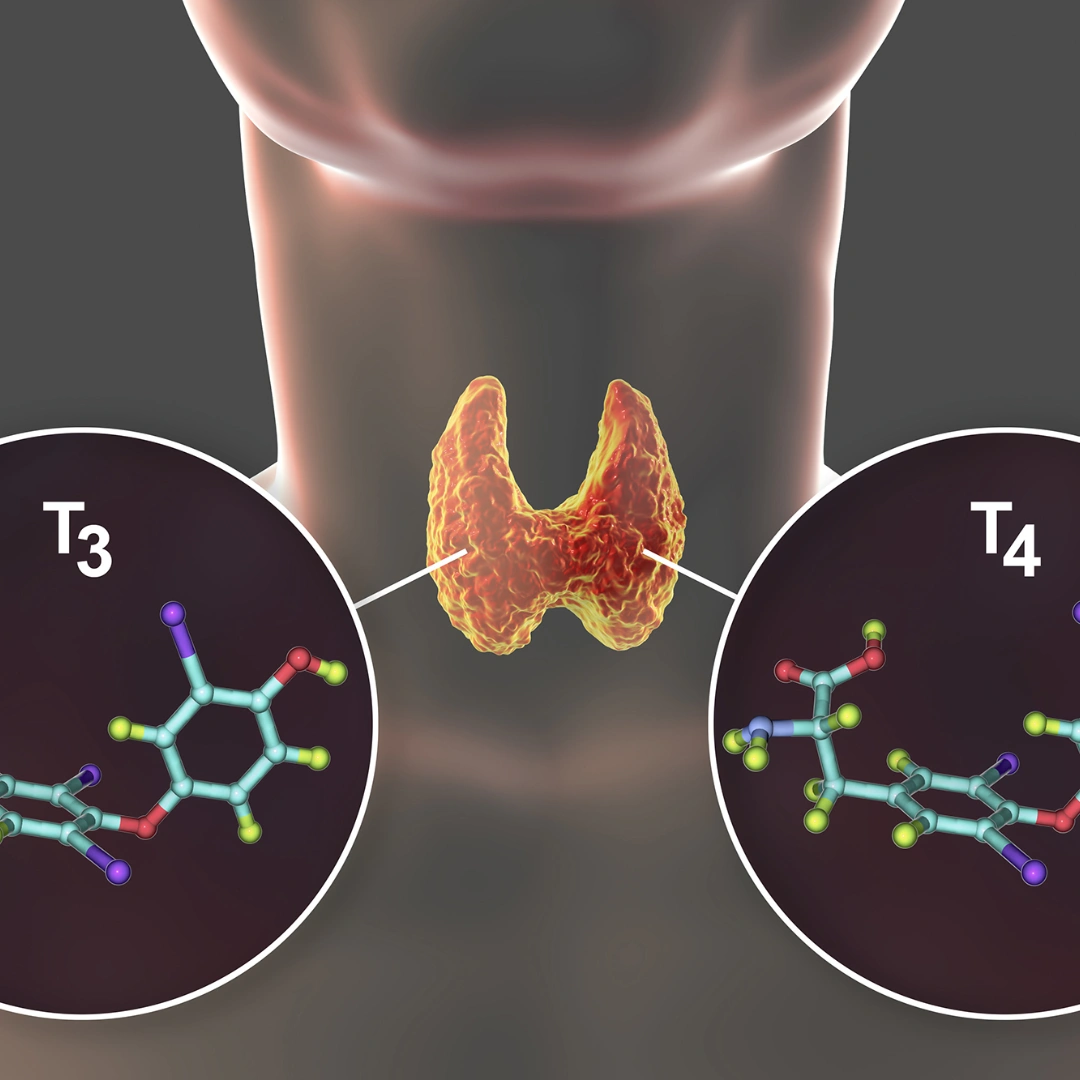
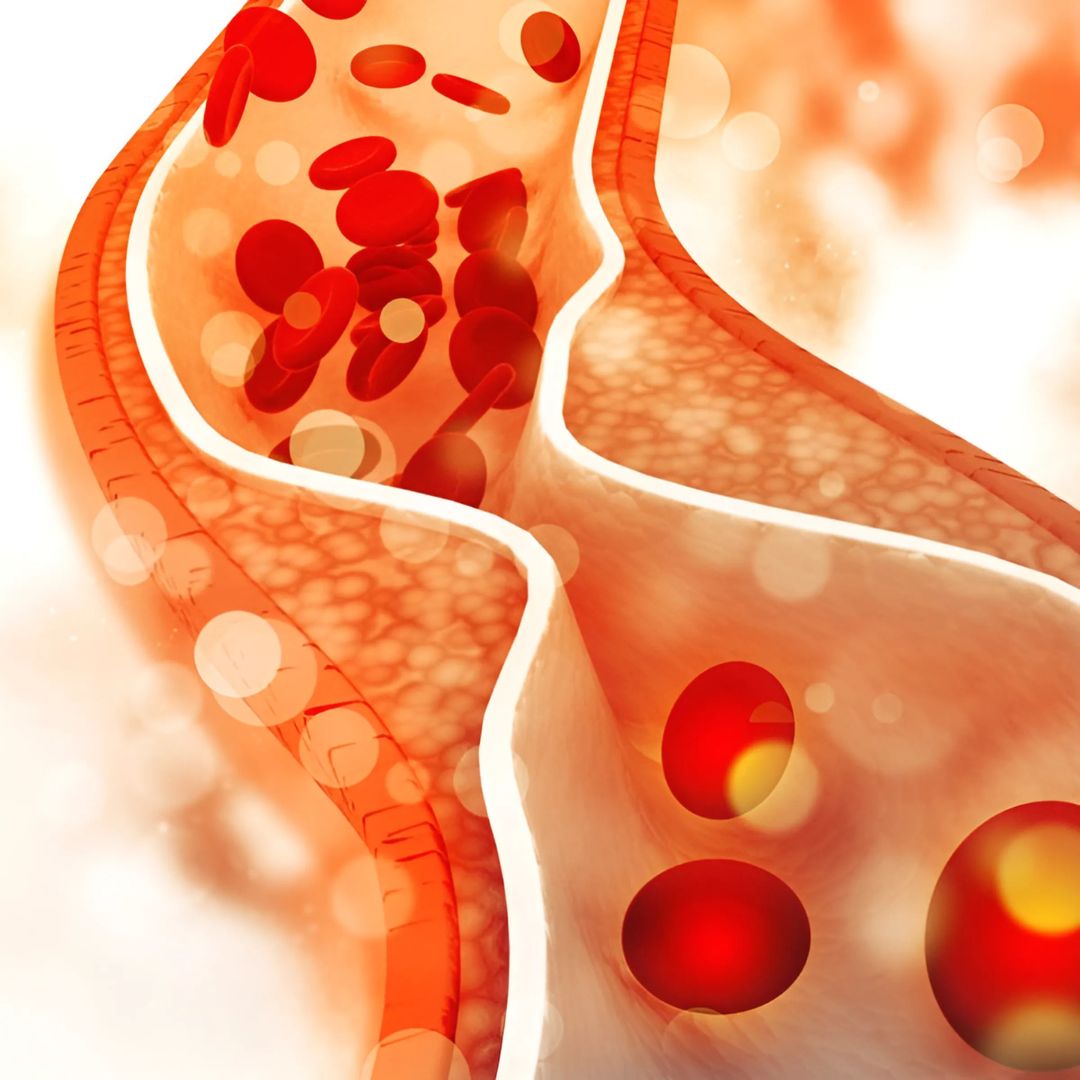
High Triglycerides (Hypertriglyceridemia): May indicate uncontrolled diabetes, obesity, hypothyroidism, kidney or liver disease, alcohol overuse, genetic lipid disorders, or side effects of certain medications. Very high levels increase the risk of atherosclerosis, heart disease, and pancreatitis.
Low Triglycerides: May be seen in cases of malnutrition, hyperthyroidism, chronic illness, or low-fat diet.
Risks
This is a routine blood test with minimal risks. Possible side effects include mild pain, bruising, or bleeding at the puncture site, and rarely dizziness or infection. For accurate results, fasting for 8–12 hours is usually recommended before the test.


Reviews
There are no reviews yet.