Triple Infection Panel
What it is
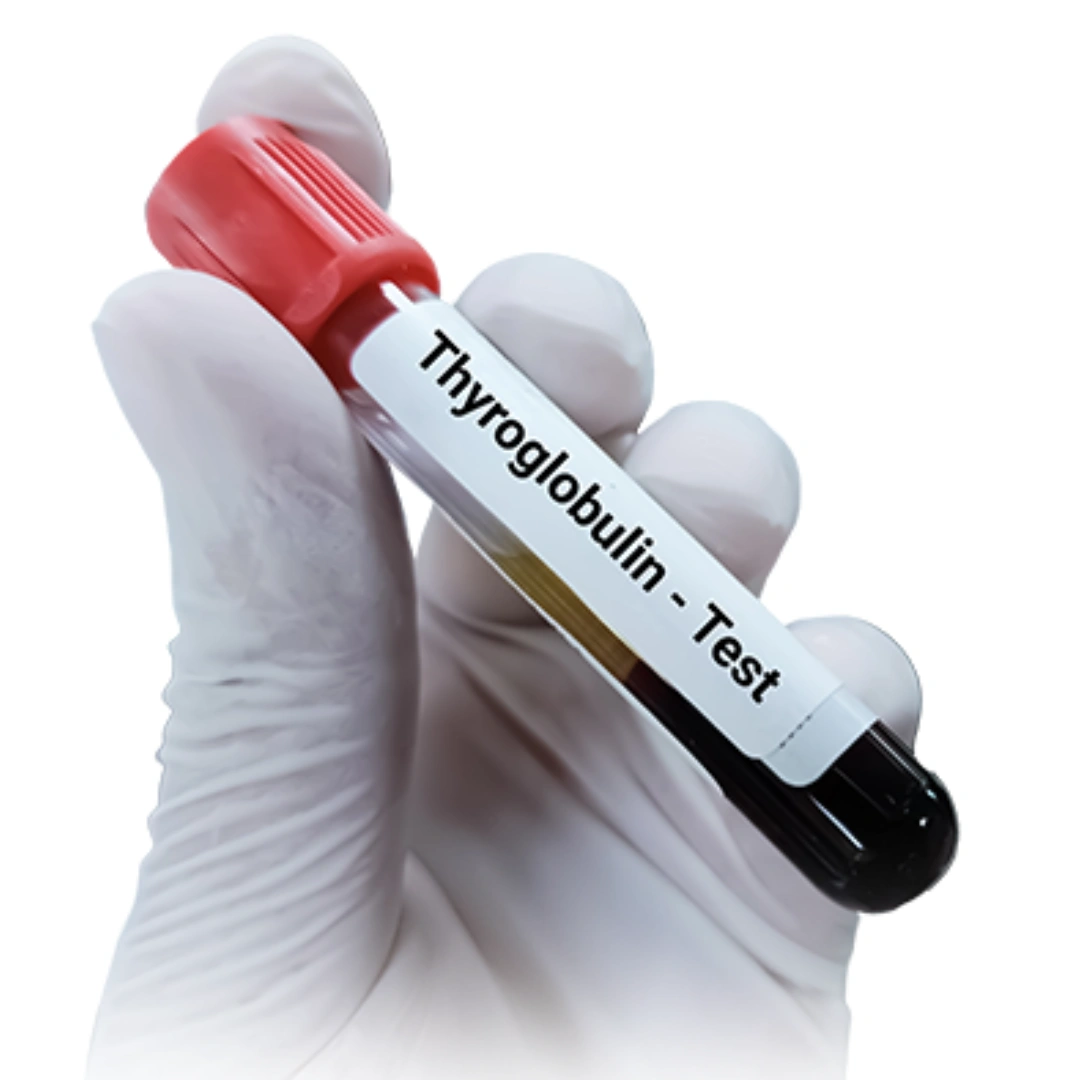
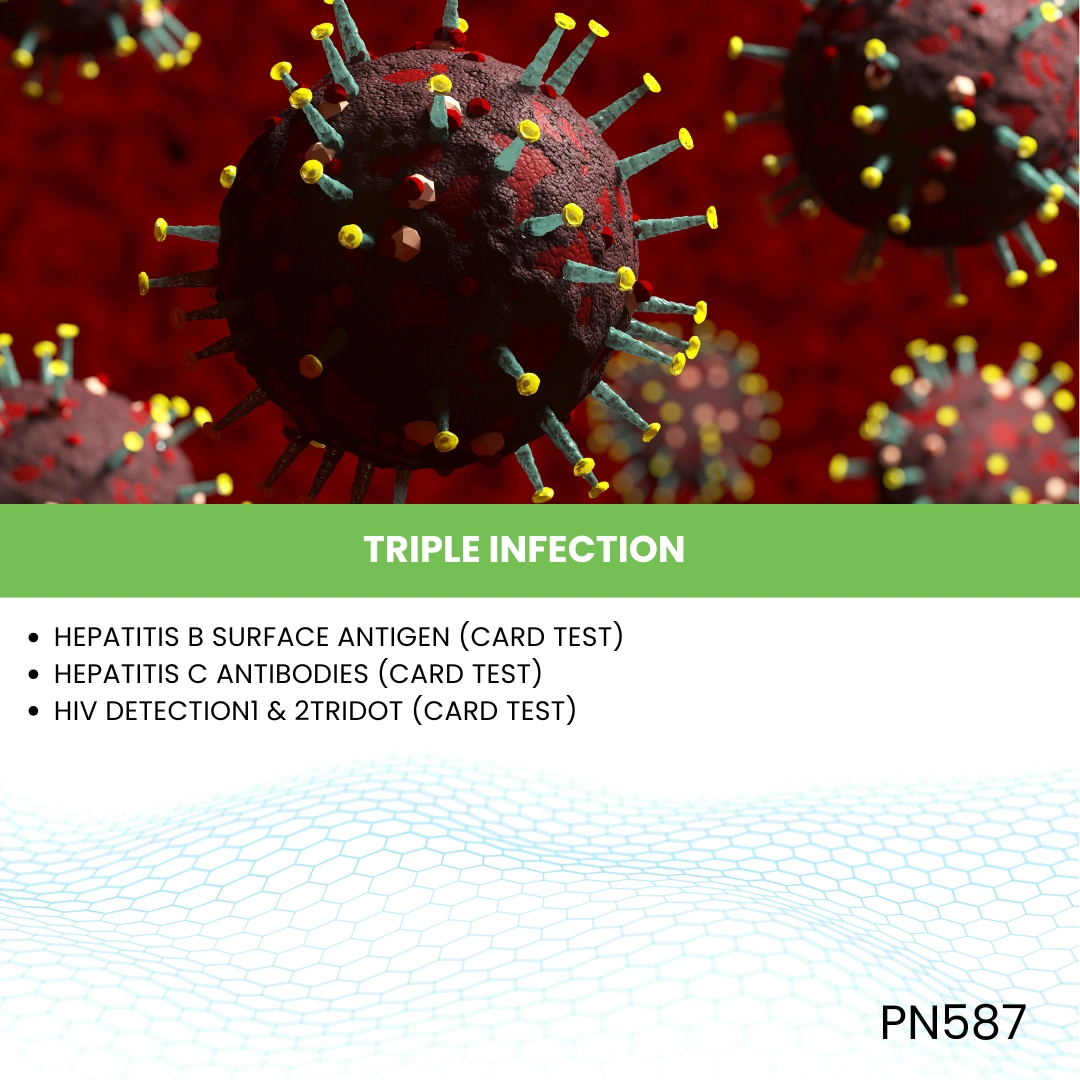
The Triple Infection Panel is a blood screening test that checks for three major infections at the same time: HIV (Human Immunodeficiency Virus), Hepatitis B Virus (HBV), and Hepatitis C Virus (HCV). It is a vital health test often included in antenatal care, preoperative evaluations, and routine health checkups to identify hidden infections early.
Uses
This test is used to screen for blood-borne infections before surgery, blood transfusions, or organ donation. It is also important in pregnancy to prevent mother-to-child transmission, in high-risk individuals to detect infections early, and as part of routine health panels for overall wellness assessment.
Symptoms That May Lead to the Test
Doctors may recommend the Triple Infection Test if a person has symptoms such as prolonged fever, recurrent infections, unexplained fatigue, jaundice, abdominal pain, or weight loss. It is also advised for people with risk factors such as unprotected sex, IV drug use, multiple blood transfusions, or healthcare-related exposure.
Abnormal Results
Positive HIV: Suggests HIV infection, requires confirmatory tests such as Western blot or PCR.
Positive HBsAg: Indicates current Hepatitis B infection or carrier state.
Positive HCV Antibody: Suggests past or present Hepatitis C infection, confirmation with HCV RNA test is needed.
Negative Results: No evidence of the three infections, but early-stage infections during the window period may not be detected.
Risks
The Triple Infection Test is a simple blood test with minimal risks. Mild pain, slight bruising, or bleeding at the puncture site may occur. Rarely, dizziness or infection can happen.


Reviews
There are no reviews yet.