Trypanosoma cruzi Antibody, Serum
What it is
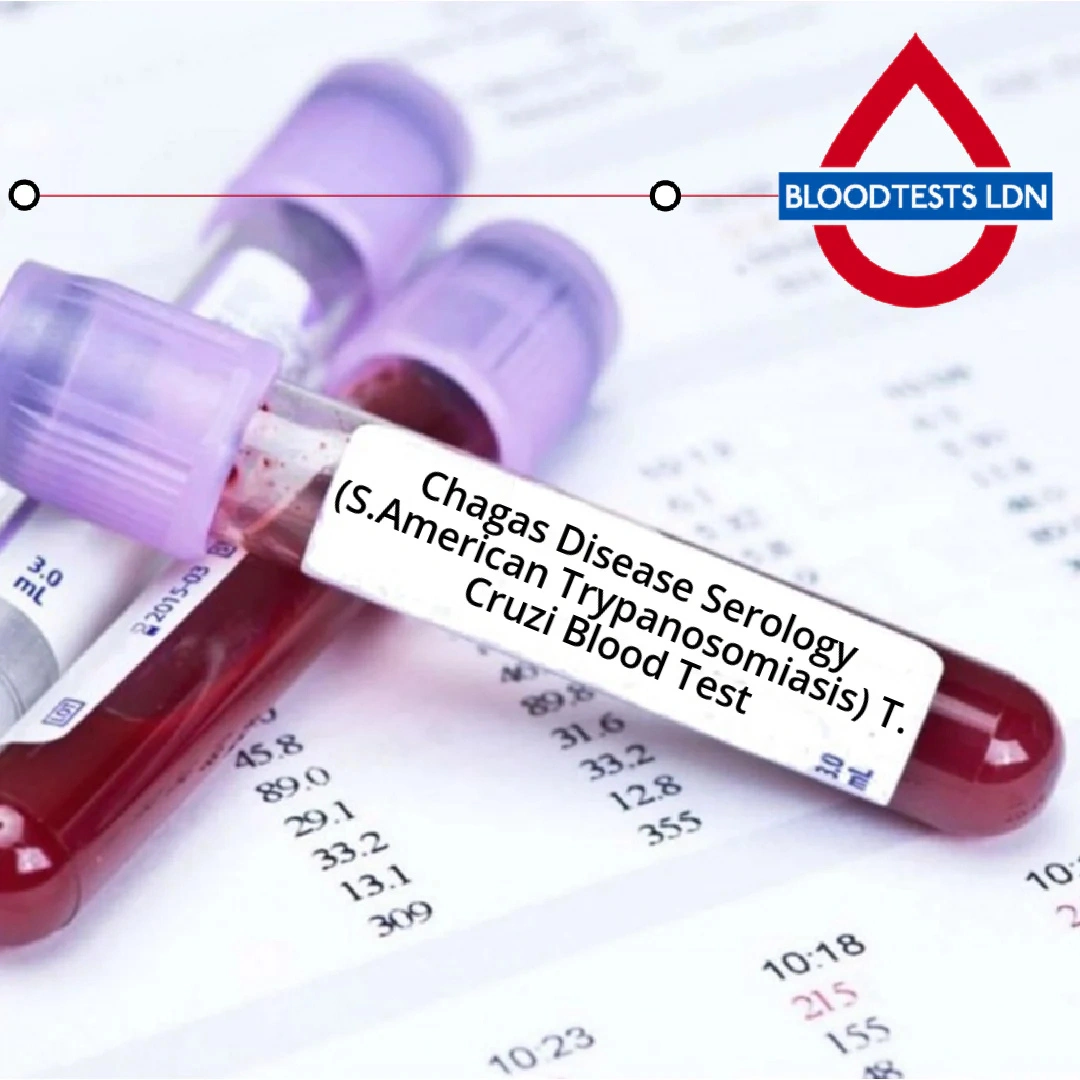
The Trypanosoma cruzi Antibody test detects antibodies in the blood against Trypanosoma cruzi, the parasite responsible for Chagas disease. This infection is primarily transmitted by triatomine “kissing bugs,” but can also spread through blood transfusion, organ transplantation, or from mother to child during pregnancy.
Uses
This test is used to diagnose Chagas disease in both acute and chronic stages, screen blood and organ donors, monitor individuals in endemic areas, and evaluate patients with cardiac or gastrointestinal complications linked to chronic Chagas infection.
Symptoms That May Lead to the Test
Acute phase: fever, swelling at the bite site (chagoma), swelling around the eye (Romaña’s sign), enlarged lymph nodes, liver, or spleen.
Chronic phase: dilated cardiomyopathy, arrhythmias, heart failure, difficulty swallowing (megaesophagus), or severe constipation (megacolon).
Abnormal Results
Positive antibodies: Indicates current or past infection with T. cruzi. Confirmation with a second test is required, as recommended by WHO and CDC. Does not distinguish between active and resolved infection.
Negative antibodies: Suggests no infection, although very early acute infections may produce false negatives before antibodies develop.
Risks
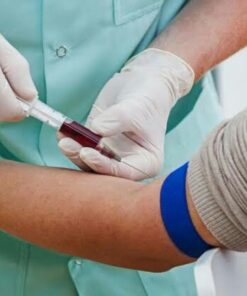
The test is a simple blood test with minimal risks. Possible side effects include mild pain, bruising, or bleeding at the puncture site, and rarely dizziness or infection.


Reviews
There are no reviews yet.