TSH Receptor Antibodies (LATS, TSI)
What it is
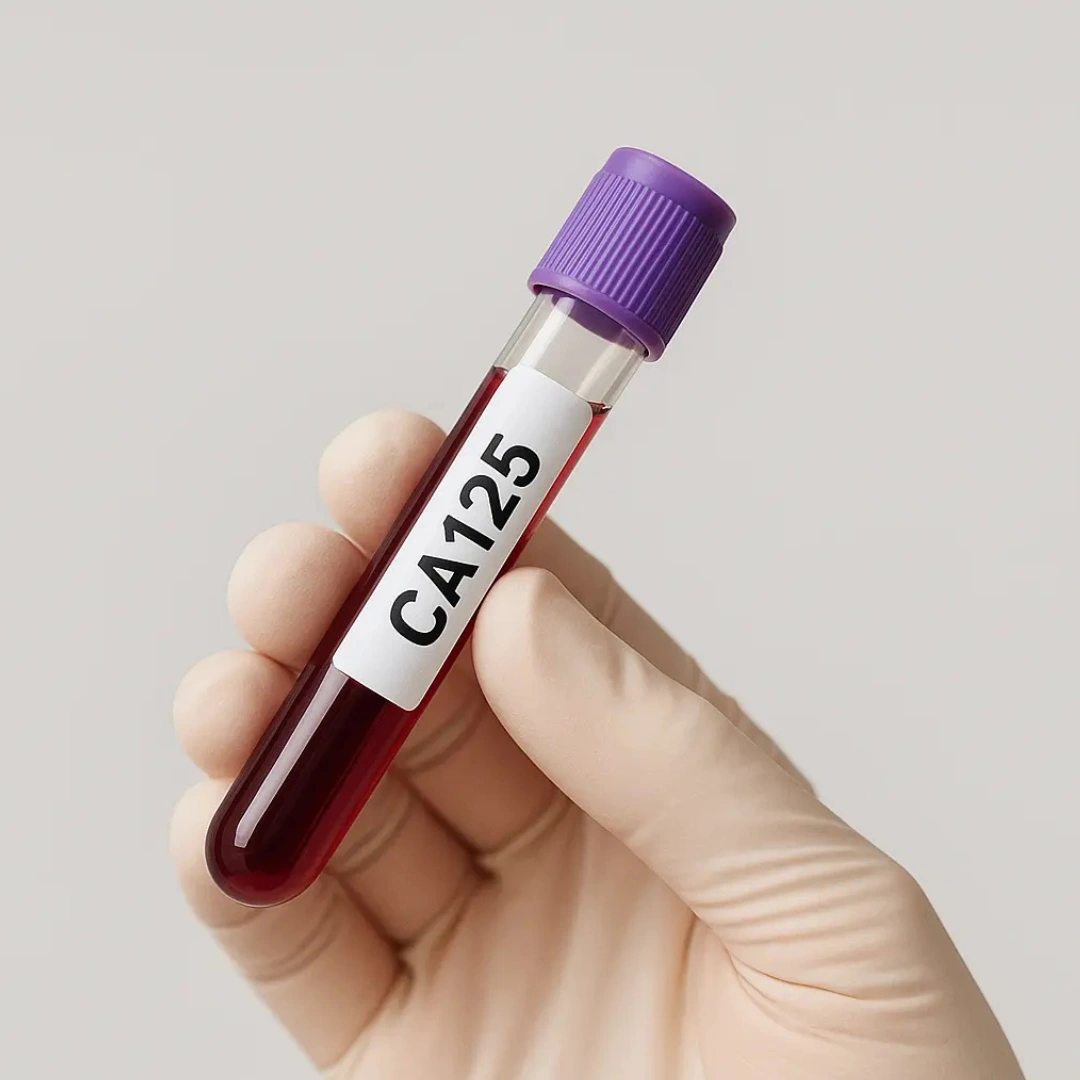
The TSH Receptor Antibodies (TRAb) test detects autoantibodies against the thyroid-stimulating hormone (TSH) receptor. These antibodies may stimulate (Thyroid Stimulating Immunoglobulin, TSI) or block (Thyroid Blocking Antibodies, TBAb) the receptor, leading to abnormal thyroid function. Historically, the term LATS (Long-Acting Thyroid Stimulator) referred to TSI activity.
Uses
This test is used to diagnose and confirm Graves’ disease, differentiate it from other causes of hyperthyroidism, predict the risk of neonatal thyrotoxicosis in babies of affected mothers, and monitor disease activity or relapse in treated patients.
Symptoms That May Lead to the Test
Typical symptoms include weight loss despite good appetite, heat intolerance, tremors, palpitations, rapid heartbeat, anxiety, irritability, and an enlarged thyroid (goiter). In some cases, patients may have bulging eyes (Graves’ ophthalmopathy). Pregnant women may also be tested to assess fetal risk.
Abnormal Results
Positive TSI (Stimulatory Antibodies): Confirms Graves’ disease, associated with hyperthyroidism and ophthalmopathy, and indicates neonatal risk if present during pregnancy.
Positive TBAb (Blocking Antibodies): Rare finding, may cause hypothyroidism by inhibiting TSH receptor activity.
Negative Result: Makes autoimmune thyroid disease less likely, though some patients with Graves’ disease may still test negative.
Risks
The test involves a routine blood draw, so risks are minimal. Possible side effects include mild pain, bruising, or bleeding at the puncture site, and rarely dizziness or infection.


Reviews
There are no reviews yet.