Urea, Serum
What it is
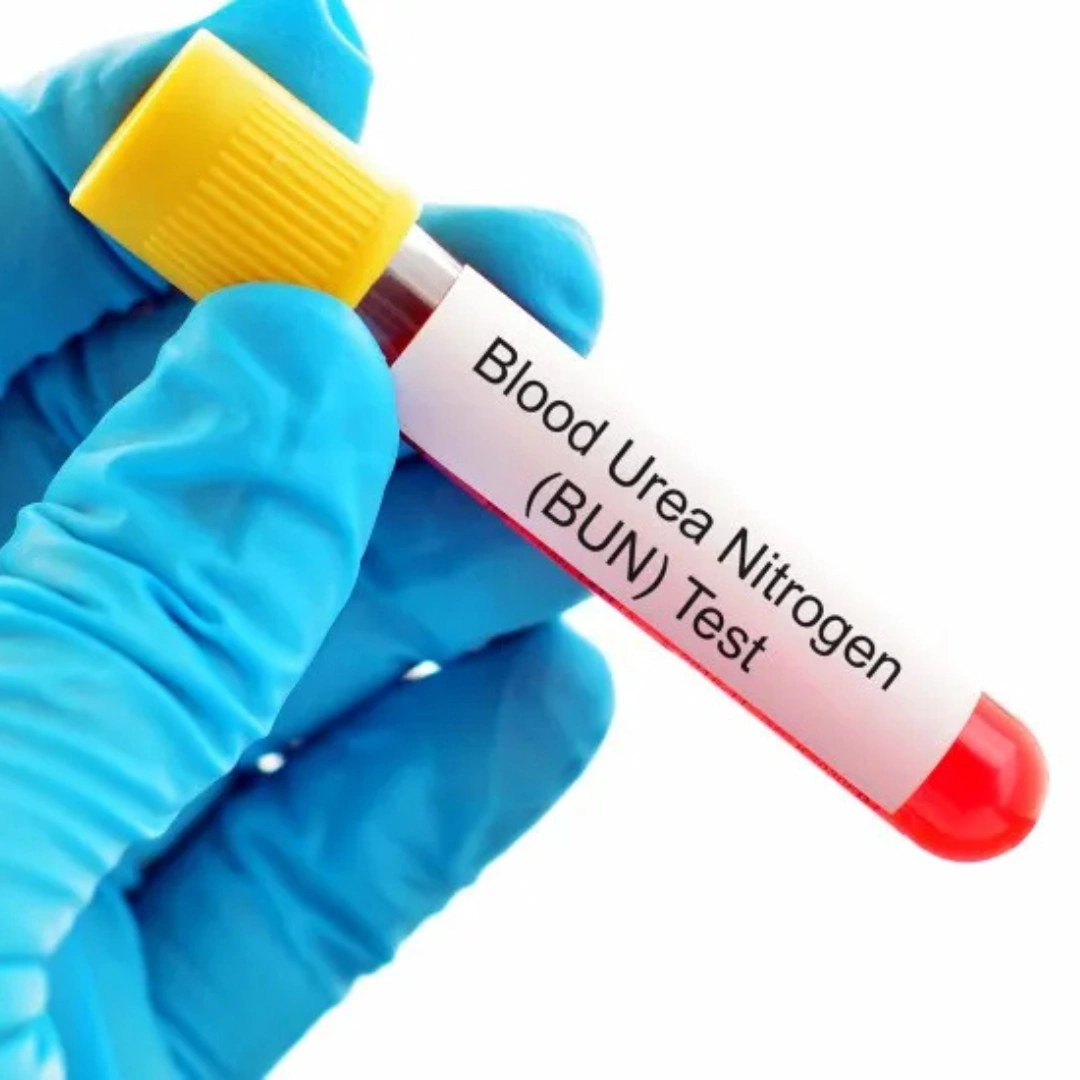
The Urea Serum test measures the amount of urea in the blood. Urea is a waste product formed in the liver during protein metabolism and is excreted by the kidneys. This test helps assess kidney function and overall protein balance in the body.
Uses
The Urea Serum test is commonly used to evaluate kidney health, diagnose and monitor kidney diseases, assess hydration status, and support liver function assessment. It is often ordered alongside creatinine to provide a clearer picture of renal function.
Symptoms That May Lead to the Test
This test may be recommended if you experience fatigue, weakness, swelling in the legs or around the eyes, shortness of breath, nausea, vomiting, poor appetite, confusion, or reduced urine output. It is also used in patients with known kidney or liver disease.
Abnormal Results
High Urea (Uremia): May indicate kidney disease or failure, dehydration, gastrointestinal bleeding, high-protein diet, or heart failure reducing kidney blood flow.
Low Urea: May be due to liver disease, malnutrition, low-protein diet, overhydration, or pregnancy.
Risks
The Urea Serum test is a routine blood test with minimal risks. Some people may experience mild pain, bruising, or bleeding at the puncture site, and rarely dizziness or infection.


Reviews
There are no reviews yet.