What it is:
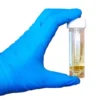
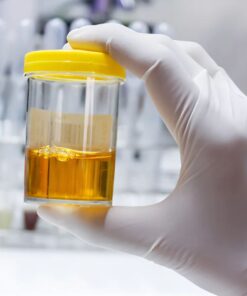
The Urine Culture Automated test uses automated systems to detect and identify bacteria or fungi in urine. It helps diagnose urinary tract infections (UTIs) and guides treatment by identifying the causative organism and its antibiotic sensitivity.
Uses
-
Diagnose urinary tract infections (UTIs)
-
Differentiate between contamination and true infection
-
Identify the specific pathogen (E. coli, Klebsiella, Proteus, Enterococcus, Candida, etc.)
-
Guide antibiotic therapy based on sensitivity testing
-
Monitor response to treatment in recurrent or complicated UTIs
Symptoms That May Lead to the Test
-
Burning sensation during urination (dysuria)
-
Increased frequency and urgency of urination
-
Foul-smelling or cloudy urine
-
Lower abdominal or back pain
-
Fever, chills (suggesting possible kidney involvement)
-
Blood in urine (hematuria)
-
Recurrent UTIs or non-resolving symptoms
Abnormal Results
-
Positive culture:
-
Growth of pathogenic organisms (e.g., E. coli, Klebsiella, Pseudomonas, Staphylococcus, Candida)
-
Colony count ≥100,000 CFU/mL usually indicates infection (lower counts may be significant in symptomatic patients)
-
Sensitivity report guides antibiotic selection
-
-
Negative culture:
-
No growth; rules out bacterial or fungal UTI
-
May still occur in cases of viral or partially treated infections
-
Risks
-
No direct risks; requires a clean-catch midstream urine sample or catheter sample in some cases.
-
Contamination from skin or environment may lead to false positives.


Reviews
There are no reviews yet.