Urine Screening
What it is
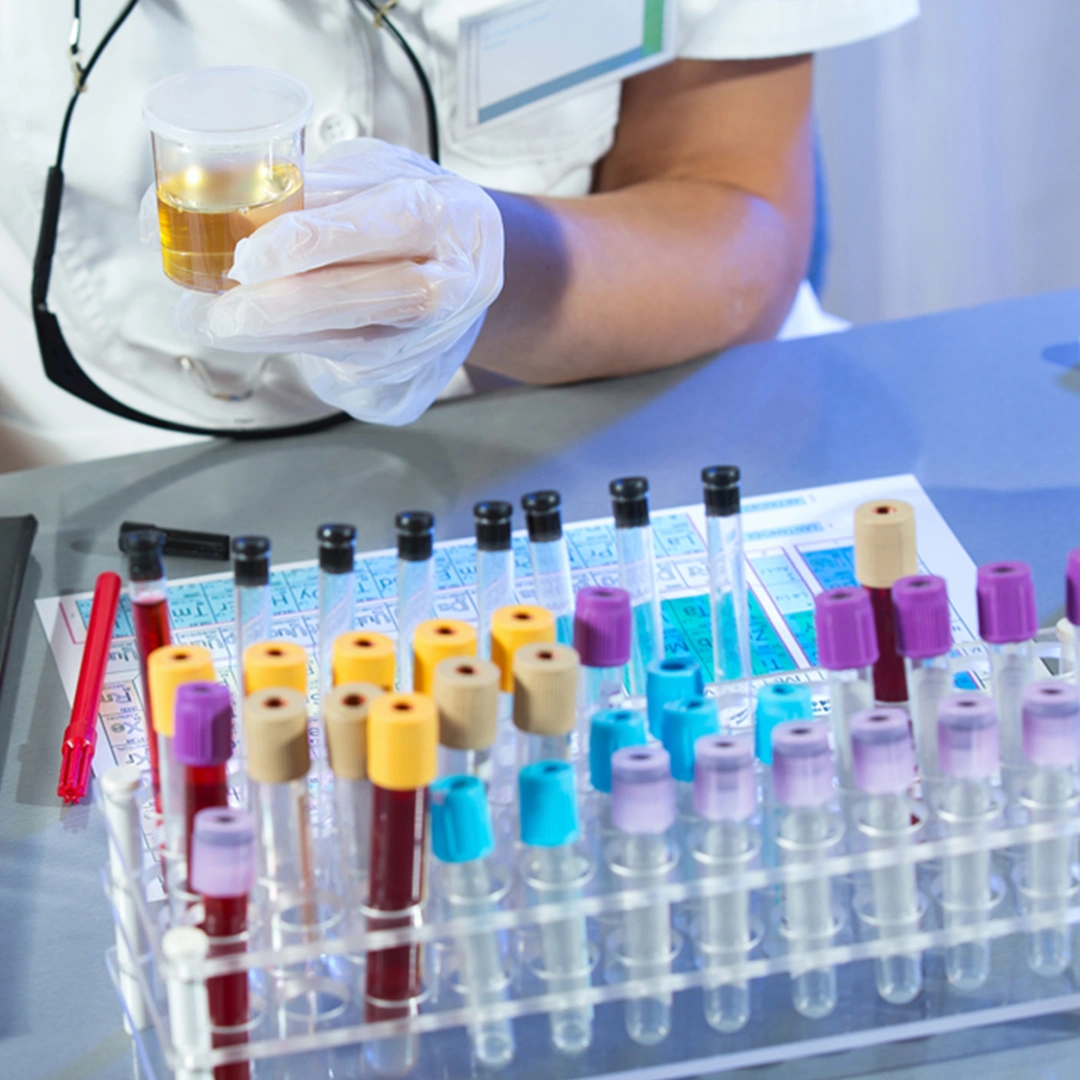
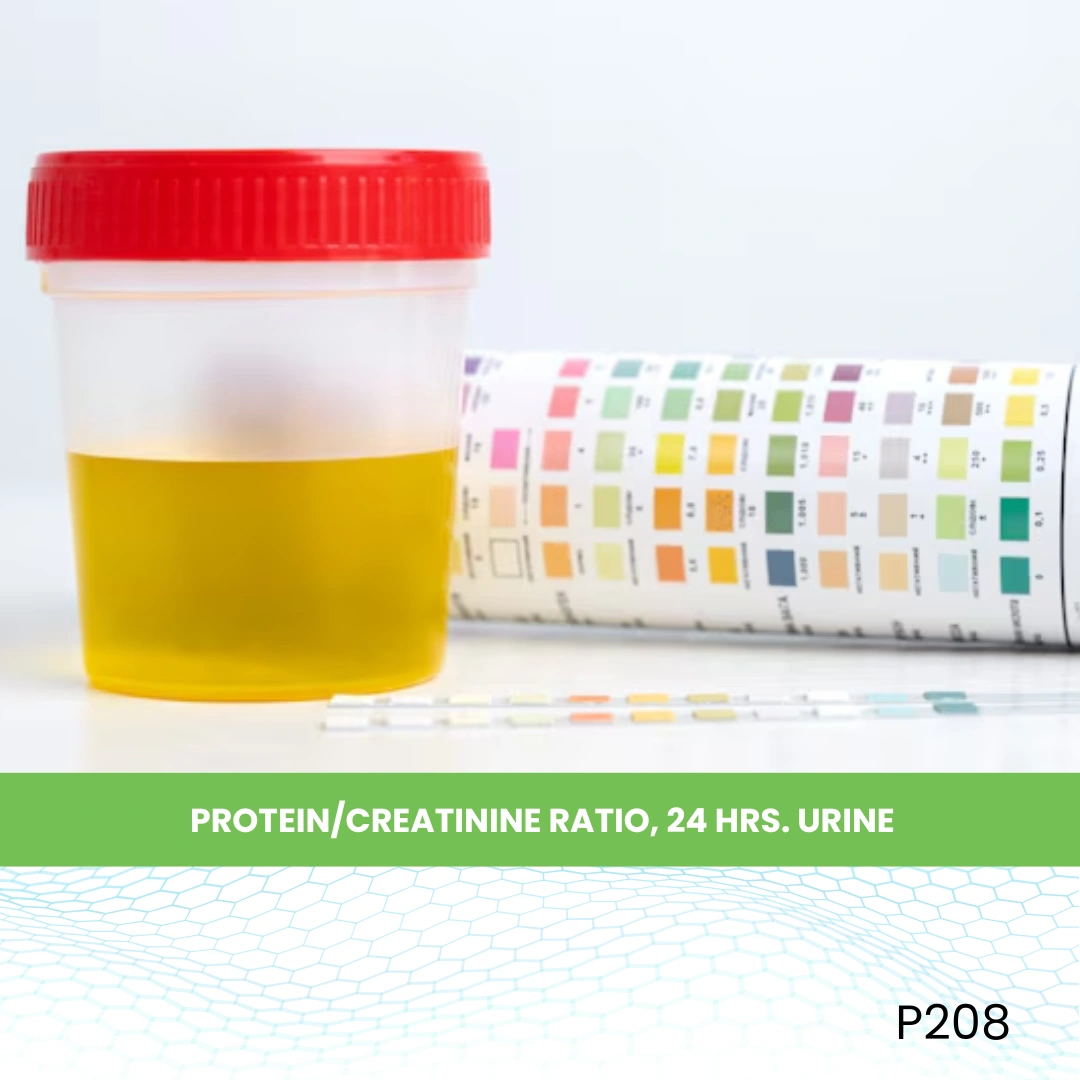
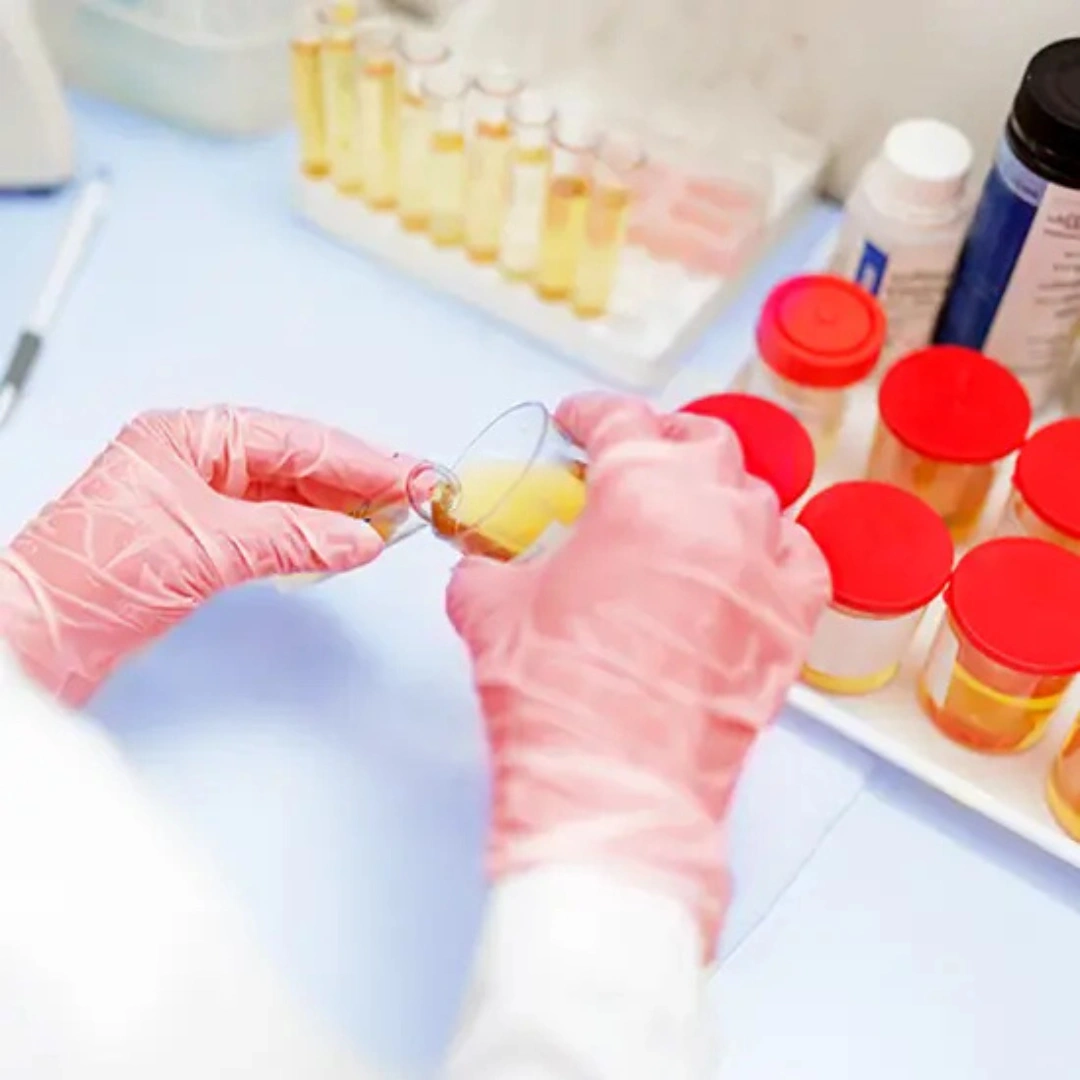
A urine screening test is a laboratory examination of a urine sample to detect and measure substances such as drugs, metabolites, proteins, glucose, or other abnormal components. It is widely used in routine health checks, drug testing, and medical evaluations to provide insights into kidney function, metabolic health, and substance use.
Uses
Urine screening is used for multiple purposes including detecting drug or alcohol use, monitoring compliance with prescribed medications, identifying kidney disease or urinary tract disorders, and evaluating overall metabolic health. It is commonly performed in workplaces, sports organizations, hospitals, and clinics.
Symptoms That May Lead to the Test
Doctors may order a urine screening if you have symptoms such as frequent urination, pain during urination, unexplained fatigue, swelling, high blood pressure, abnormal lab results, or suspicion of drug or alcohol misuse. It may also be part of pre-employment checks or routine physical exams.
Abnormal Results
Positive for Drugs or Alcohol: Indicates the presence of substances such as opioids, amphetamines, benzodiazepines, marijuana, cocaine, or alcohol. Follow-up confirmatory testing (e.g., GC-MS or LC-MS) is usually required.
Protein, Blood, or Glucose Detected: May suggest kidney disease, urinary tract infection, diabetes, or other underlying conditions.
Normal/Negative Results: Suggests no significant abnormalities or no substances detected within the test’s detection window.
Risks
Urine screening is a simple, non-invasive test with no direct risks. The main considerations include proper sample collection and handling to ensure accurate results. False positives and negatives can occur due to diet, medications, or test limitations.


Reviews
There are no reviews yet.