Urine Sugar, Postprandial (PP)
What it is
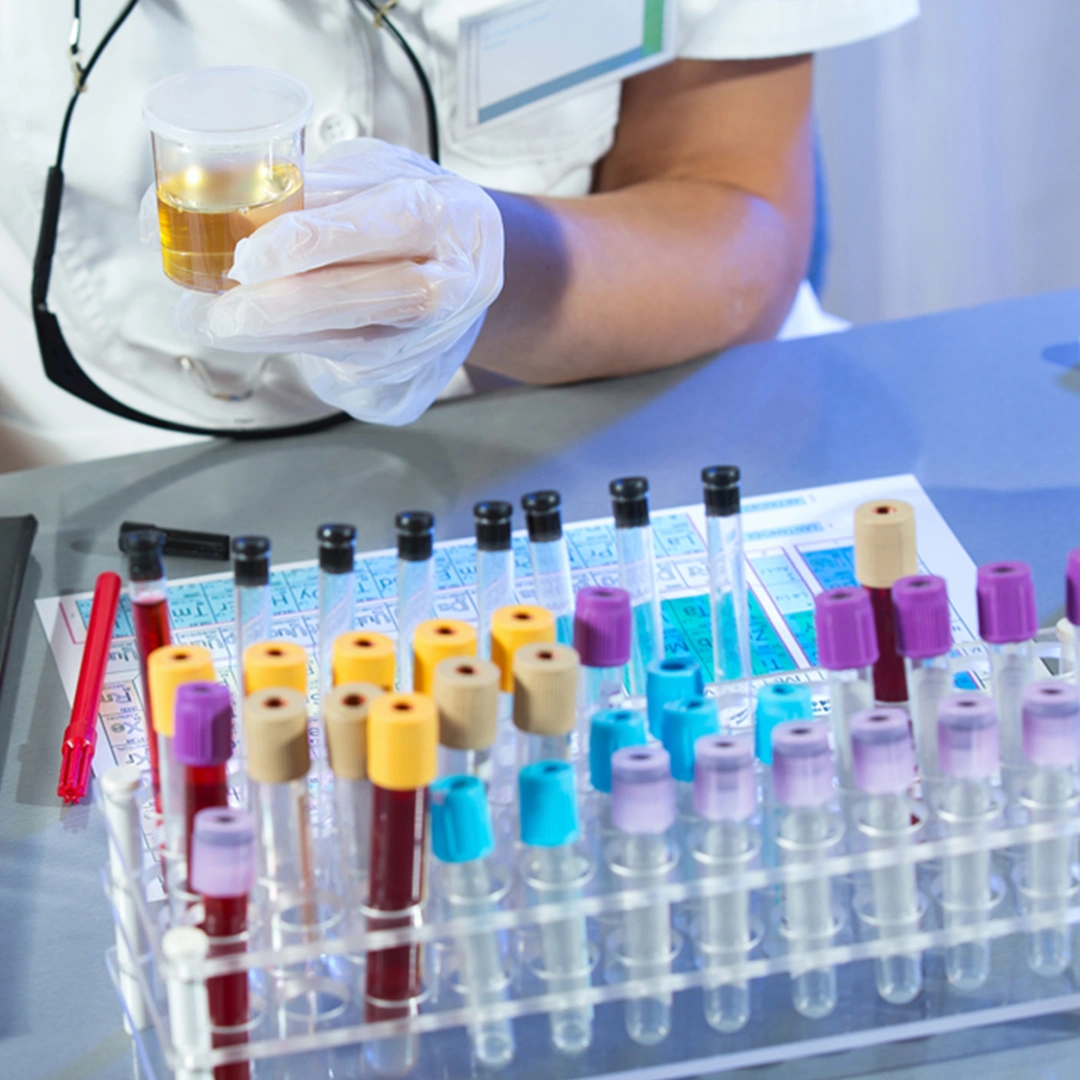
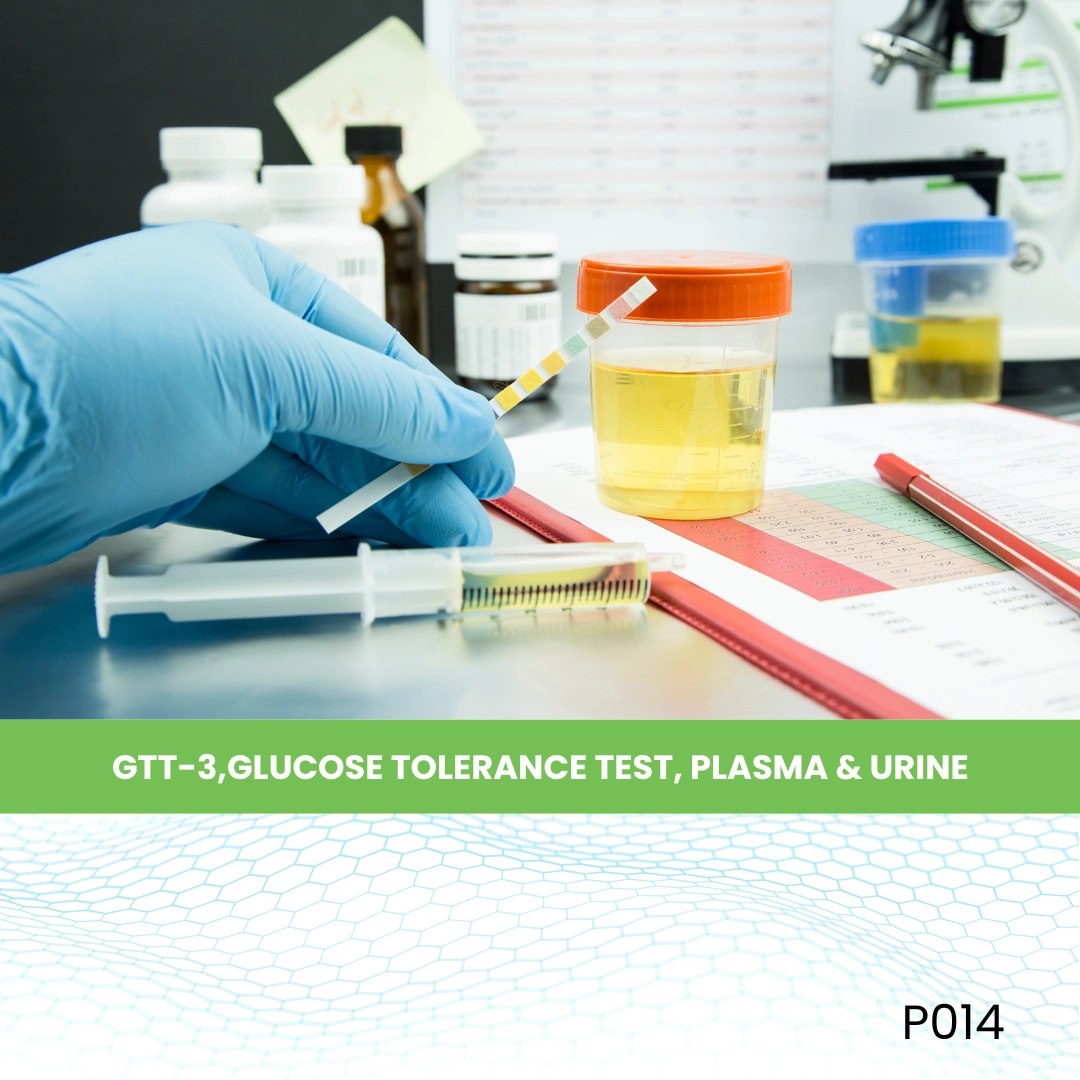
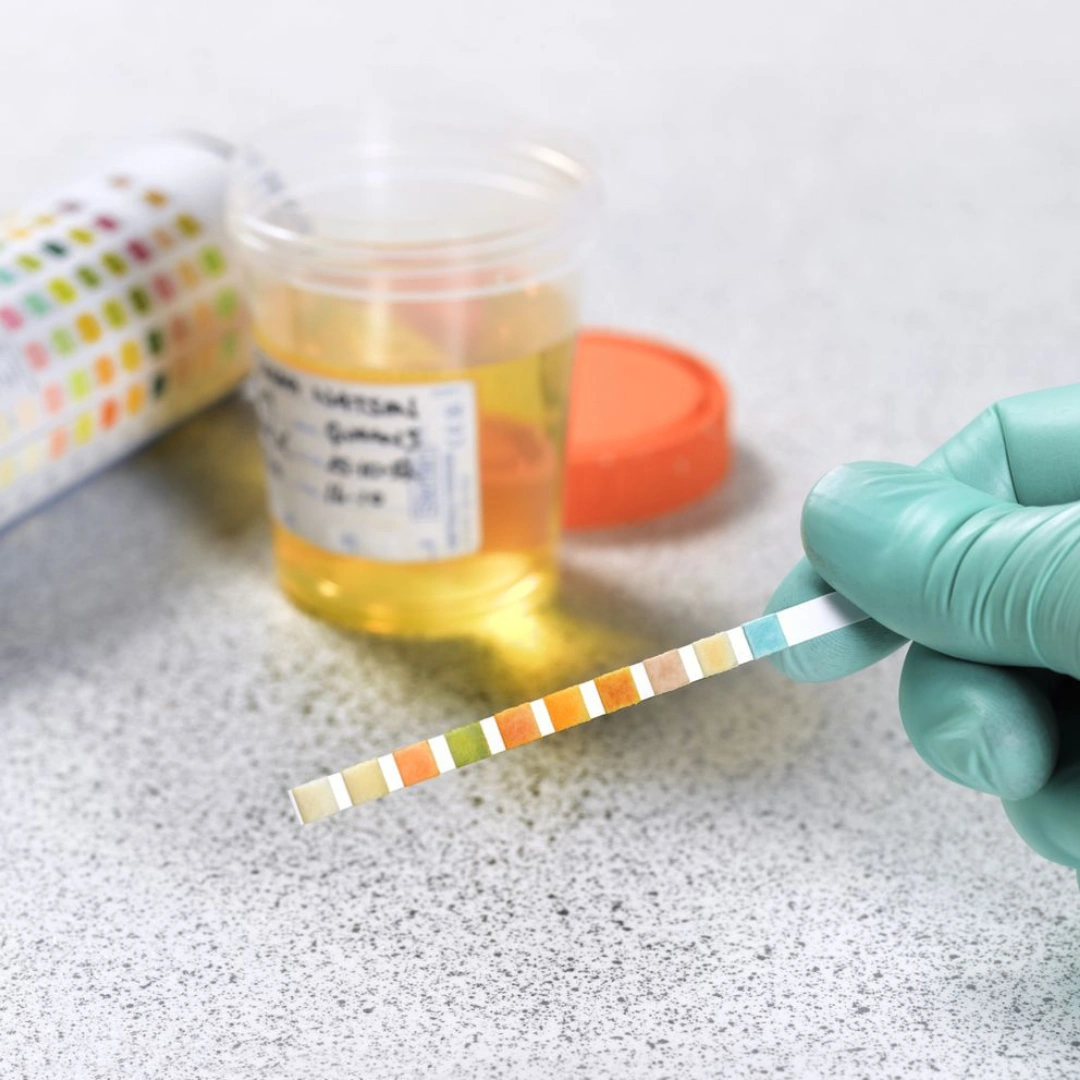
The Urine Sugar, Postprandial (PP) test measures the presence of glucose in urine collected a few hours after eating (usually 2 hours after a meal). Normally, glucose is filtered by the kidneys and reabsorbed back into the blood, so it does not appear in urine. If blood glucose levels rise significantly after meals, excess sugar may spill into urine, a condition known as glycosuria.
Uses
This test is commonly used to screen for diabetes mellitus, assess post-meal glucose control, and monitor patients already diagnosed with diabetes. It helps evaluate how the body manages blood sugar after food intake and can also indicate kidney problems related to glucose handling.
Symptoms That May Lead to the Test
Doctors may recommend a PP urine sugar test if you experience excessive thirst, frequent urination, unexplained weight loss, fatigue, recurrent infections, or blurred vision. It is also useful for individuals at risk of diabetes or those on treatment to monitor control.
Abnormal Results
Positive for Sugar in Urine: Suggests high post-meal blood sugar levels, often due to diabetes mellitus or impaired glucose tolerance. It may also occur in gestational diabetes or certain kidney disorders (renal glycosuria).
Negative for Sugar in Urine: Considered normal, indicating that postprandial blood glucose is within a healthy range and below the renal threshold for glucose excretion.
Risks
The test is completely non-invasive, requiring only urine collection. There are no physical risks, though proper timing of the sample after a meal is important for accuracy.


Reviews
There are no reviews yet.