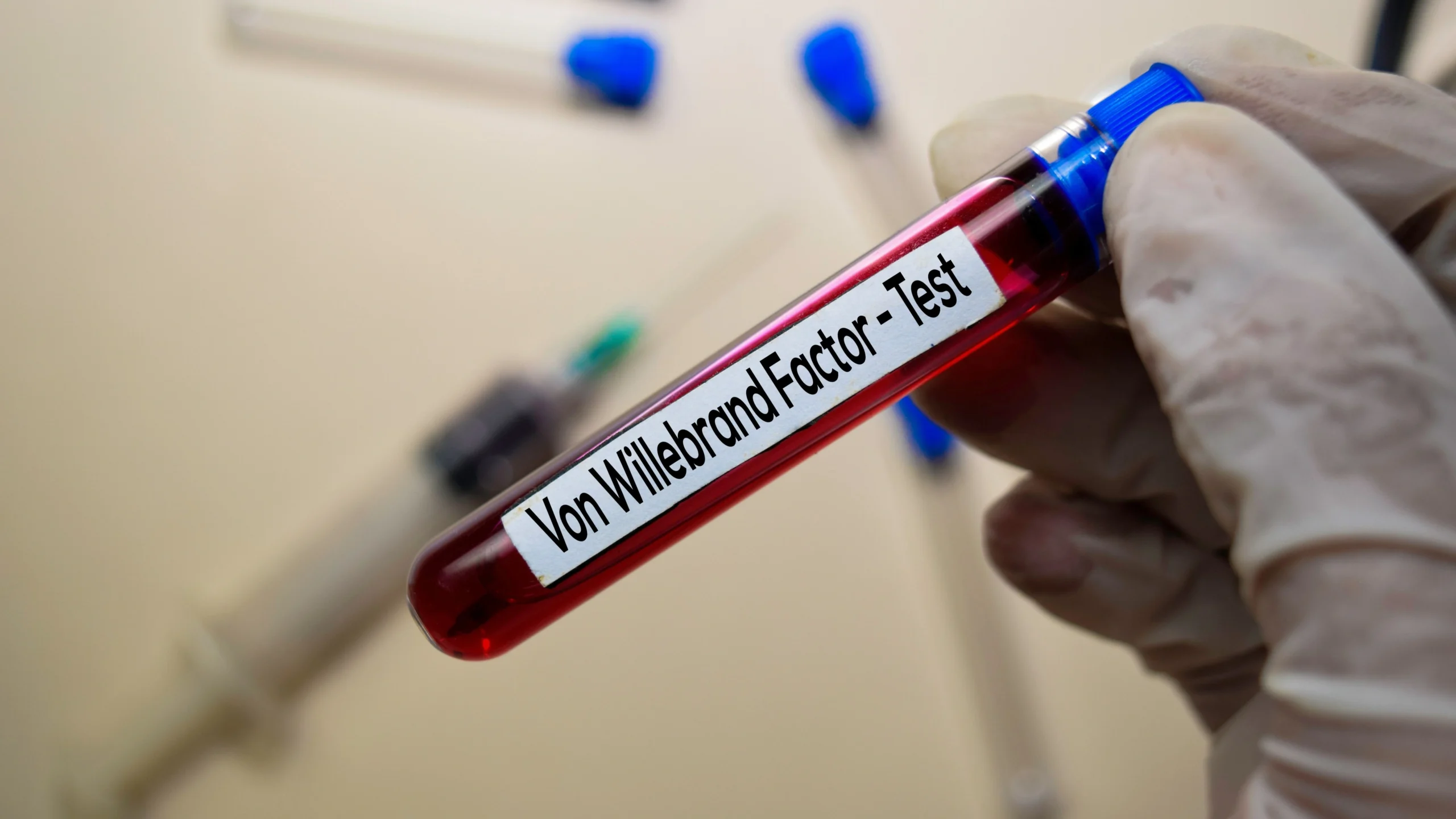
Von Willebrand Factor Antigen, Plasma
What it is
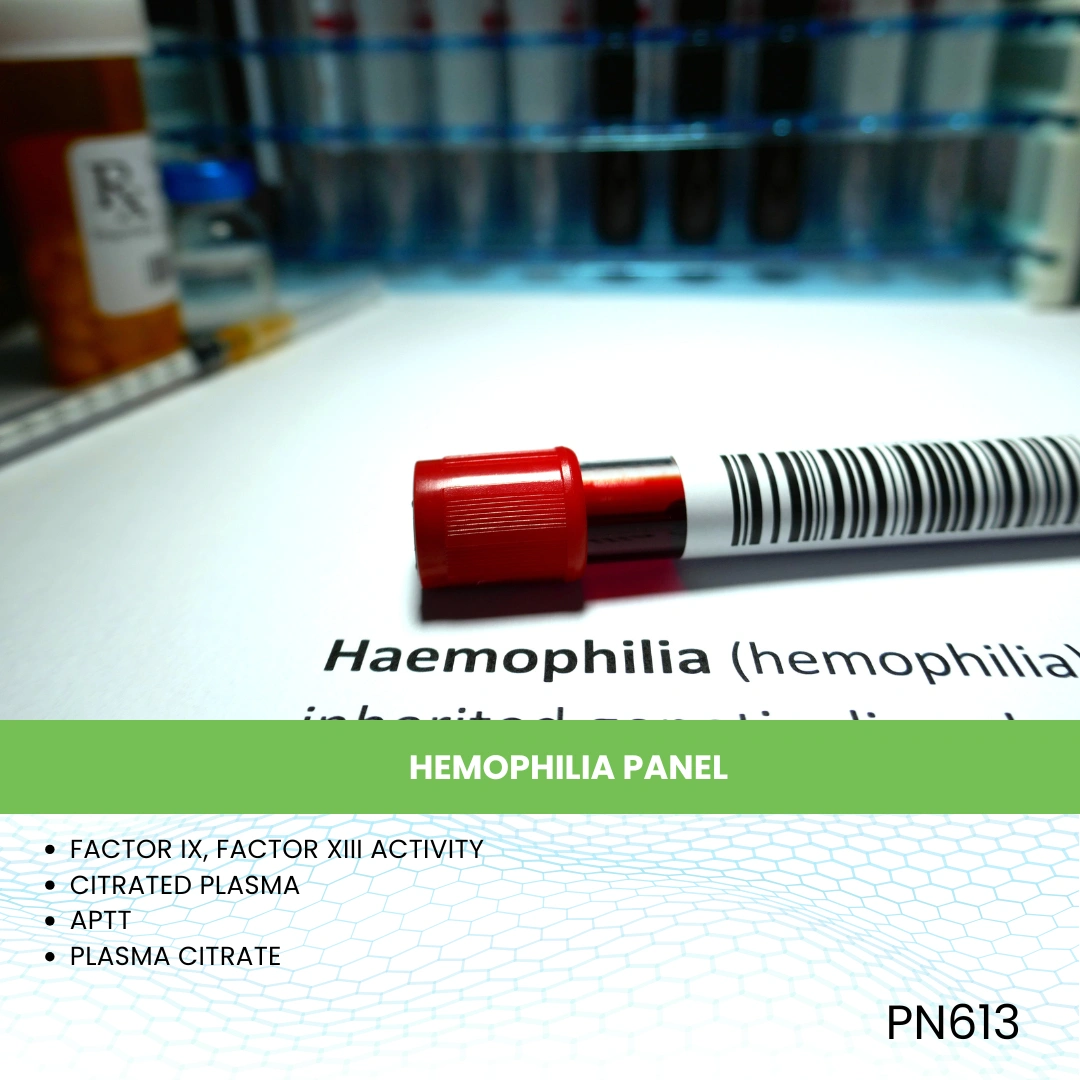
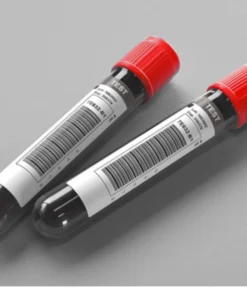
The Von Willebrand Factor (VWF) Antigen test measures the amount of VWF protein in the plasma. VWF is an essential blood-clotting protein that helps platelets stick to injured blood vessel walls, preventing excessive bleeding. Abnormal levels are linked to bleeding disorders such as Von Willebrand Disease (VWD).
Uses
This test is used to diagnose and monitor Von Willebrand Disease, investigate unexplained bleeding or bruising, evaluate clotting function before surgery, and monitor treatment effectiveness in patients with known bleeding disorders.
Symptoms That May Lead to the Test
Doctors may recommend this test if you experience frequent nosebleeds, heavy or prolonged menstrual bleeding, easy bruising, prolonged bleeding after surgery or dental work, or unexplained anemia from blood loss.
Abnormal Results
Low VWF Antigen: Indicates Von Willebrand Disease or another clotting disorder, leading to a higher risk of abnormal bleeding.
High VWF Antigen: May be seen in pregnancy, inflammation, stress, thyroid disorders, or cardiovascular disease. It can also suggest an increased risk of blood clotting.
Risks
The test is a routine blood draw with minimal risks. Possible side effects include slight pain, bruising, or bleeding at the puncture site, and rarely dizziness or infection.


Reviews
There are no reviews yet.