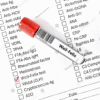
WHAT IT IS ?
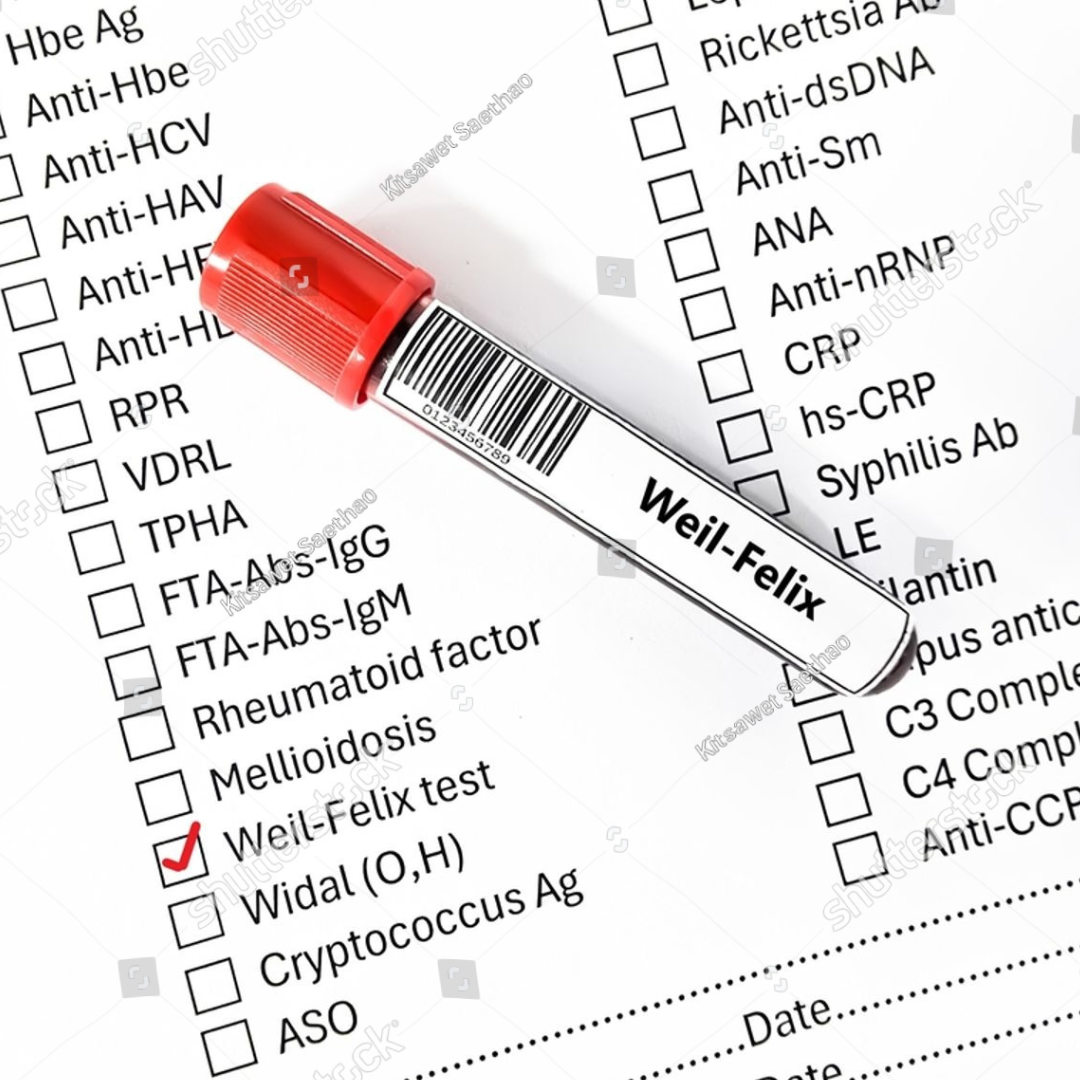
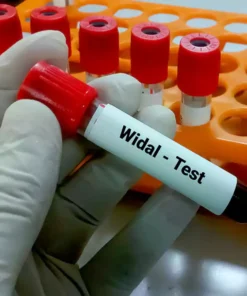
The Weil-Felix test is a serological agglutination test performed on serum. It detects antibodies against Proteus species (OX2, OX19, OXK antigens), which cross-react with rickettsial antigens. It is an older, non-specific test used to help diagnose rickettsial infections (e.g., typhus, spotted fever, scrub typhus).
Uses
-
Aid in the diagnosis of rickettsial infections when more specific tests (e.g., IFA, ELISA) are unavailable
-
Provide epidemiological support in resource-limited settings
-
Support clinical suspicion in patients with fever and rash in endemic areas
Symptoms That May Lead to the Test
-
High fever with chills
-
Severe headache
-
Rash (spotted or maculopapular)
-
Enlarged lymph nodes
-
History of exposure to lice, fleas, ticks, or mites
-
Travel or residence in rickettsia-endemic areas
Abnormal Results
-
Positive test (agglutination with Proteus antigens):
-
Suggests possible rickettsial infection (type may vary with antigen involved):
-
OX19: Typhus group
-
OX2: Spotted fever group
-
OXK: Scrub typhus
-
-
More reliable if there is a fourfold rise in titer on paired samples
-
-
False positives:
-
Can occur with unrelated infections or prior exposure
-
Cross-reactivity limits specificity
-
-
Negative test:
-
Does not rule out rickettsial infection (low sensitivity in early stages)
-
Risks
-
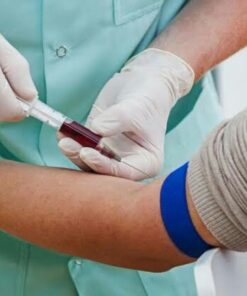
Minimal, limited to standard blood draw risks (mild pain, bruising, or dizziness).


Reviews
There are no reviews yet.