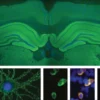
NMDA Receptor Antibody
What it is
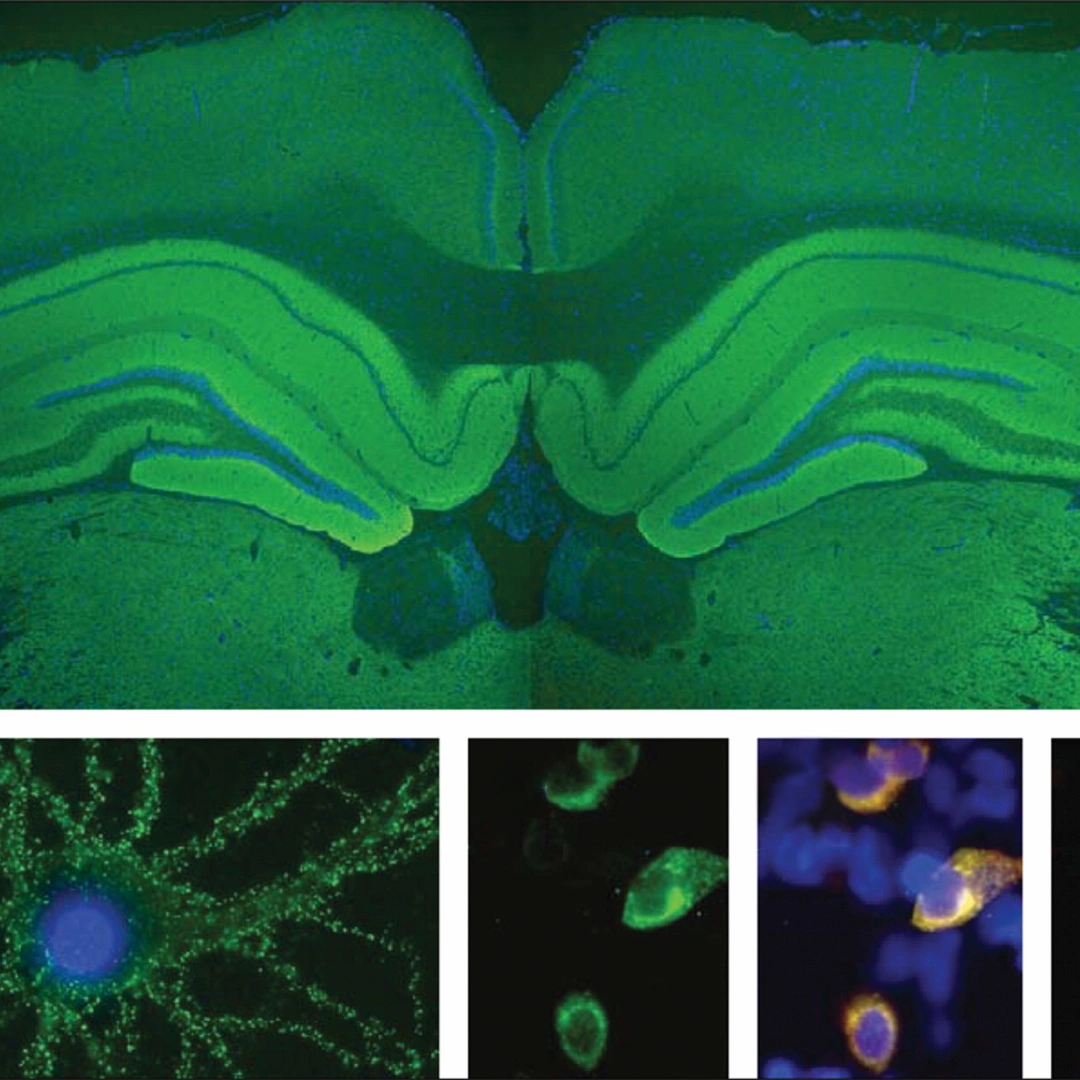
The NMDA Receptor Antibody test detects antibodies directed against N-methyl-D-aspartate (NMDA) receptors, which are proteins in the brain involved in memory, behavior, and nerve communication. The presence of these antibodies is strongly associated with autoimmune encephalitis, a serious condition in which the immune system attacks brain cells, leading to neurological and psychiatric symptoms. This test may be performed on blood (serum) or cerebrospinal fluid (CSF), with CSF testing considered more specific.
Uses
This test is used to diagnose NMDA receptor encephalitis, differentiate it from viral encephalitis or psychiatric disorders, and guide early treatment. It may also be used in monitoring disease progression and response to therapies such as corticosteroids, intravenous immunoglobulin (IVIG), or plasma exchange.
Symptoms That May Lead to the Test
Doctors may recommend the NMDA Receptor Antibody test if you show sudden psychiatric changes (hallucinations, delusions, psychosis), memory loss, confusion, seizures, abnormal movements, speech difficulties, or unexplained decreased consciousness. The test is often ordered when no clear cause is found for these symptoms, especially in young adults and children.
Abnormal Results
Positive NMDA Receptor Antibodies: Strongly suggest autoimmune encephalitis. If antibodies are found in CSF, the result is highly specific for the condition. Positive serum results may require confirmatory CSF testing.
Negative Results: Suggest the absence of NMDA receptor antibodies. However, in some patients, antibodies may only be detectable in CSF, so additional testing may still be necessary if clinical suspicion is high.
Risks
If the test is done using a blood sample, risks are minimal and limited to mild pain, bruising, or dizziness at the puncture site. If done using cerebrospinal fluid, it requires a lumbar puncture (spinal tap), which may cause temporary headache, back pain, or, rarely, infection or bleeding.


Reviews
There are no reviews yet.