Opiates / Morphine – Urine, Random
What it is
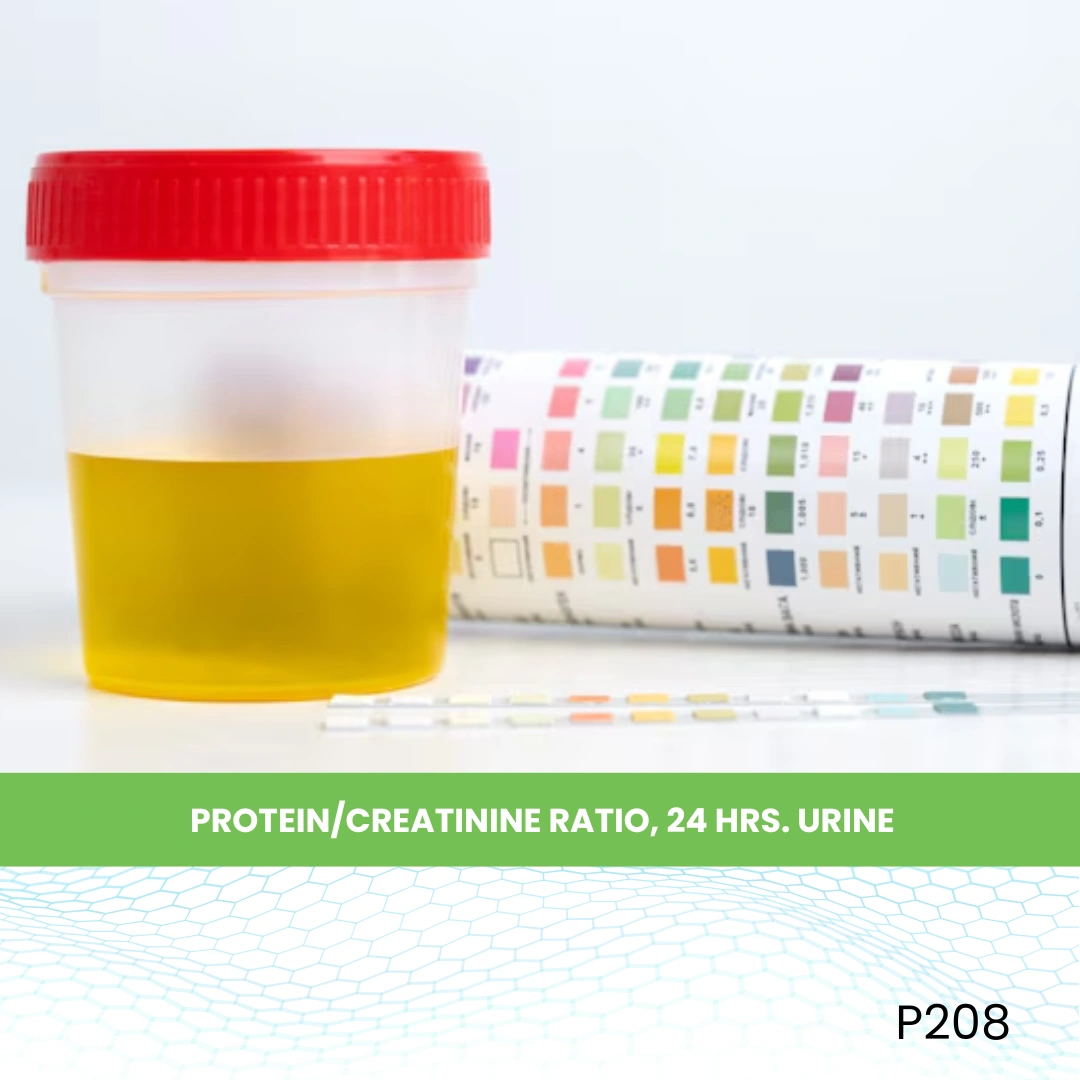
The Opiates / Morphine – Urine, Random test is a toxicology screening that detects the presence of morphine and other opiate drugs in a random urine sample. Opiates are narcotic pain-relieving medications derived from the opium poppy, including morphine, codeine, and heroin. This test helps identify recent use or misuse of these substances for both clinical and legal purposes.
Uses
This test is used to monitor patients receiving prescription opiates, detect drug misuse or abuse, support workplace drug testing programs, and assist in medical evaluations of patients presenting with unexplained symptoms such as drowsiness or altered mental state. It is also commonly used in rehabilitation programs and forensic investigations.
Symptoms That May Lead to the Test
Doctors may order this test if you show symptoms of opiate use such as pinpoint pupils, confusion, drowsiness, slurred speech, constipation, slow breathing, nausea, or unexplained behavioral changes. It may also be required in cases of suspected drug overdose.
Abnormal Results
Positive Result: Indicates recent use of opiates such as morphine, codeine, or heroin. The detection window is typically 1–3 days after use, but may be longer in chronic users. A positive result does not always distinguish between prescribed and illicit use, so medical history is essential for interpretation.
Negative Result: Suggests no detectable opiates within the testing window or concentrations below the test’s sensitivity threshold. It may also mean that the opiate used was not detectable by the assay.
Risks
The test involves providing a urine sample, which is non-invasive and carries no direct health risks. The main considerations are proper sample collection, handling, and the possibility of false positives or negatives due to medications, diet, or test limitations.


Reviews
There are no reviews yet.