17-Alpha Hydroxyprogesterone (17-OHP), Serum
What it is
The 17-Alpha Hydroxyprogesterone (17-OHP) test measures the level of this steroid hormone in the blood. It is produced in the adrenal glands, ovaries, and testes. 17-OHP is a key precursor in the production of cortisol and androgens. Testing helps evaluate adrenal and reproductive health.
Uses of the Test
Screening for congenital adrenal hyperplasia (CAH): CAH is a genetic disorder where the adrenal glands cannot produce cortisol properly. This test is often included in newborn screening programs.
Diagnosis and monitoring of adrenal disorders: Such as adrenal hyperplasia and adrenal tumors.
Evaluation of androgen excess in females: Conditions like irregular or absent menstruation, infertility, hirsutism (excessive hair growth), and acne.
Assessment of abnormal puberty in children: Including early or delayed puberty, rapid growth, or unusual genital development.
Symptoms That May Lead to the Test
In infants: Ambiguous genitalia, dehydration, vomiting, and poor feeding.
In children: Precocious puberty, rapid growth, or early closure of growth plates.
In women: Irregular menstrual cycles, infertility, excessive hair growth, acne, or deepening of the voice.
In men: Infertility or signs of adrenal/androgen-related disorders.
Causes of Abnormal Levels
High 17-OHP: Congenital adrenal hyperplasia (especially 21-hydroxylase deficiency), adrenal tumors, ovarian tumors, or polycystic ovary syndrome (mild elevation).
Low 17-OHP: Adrenal insufficiency (Addison’s disease), underactive adrenal glands, or side effects of certain medications.
Side Effects / Risks of the Test
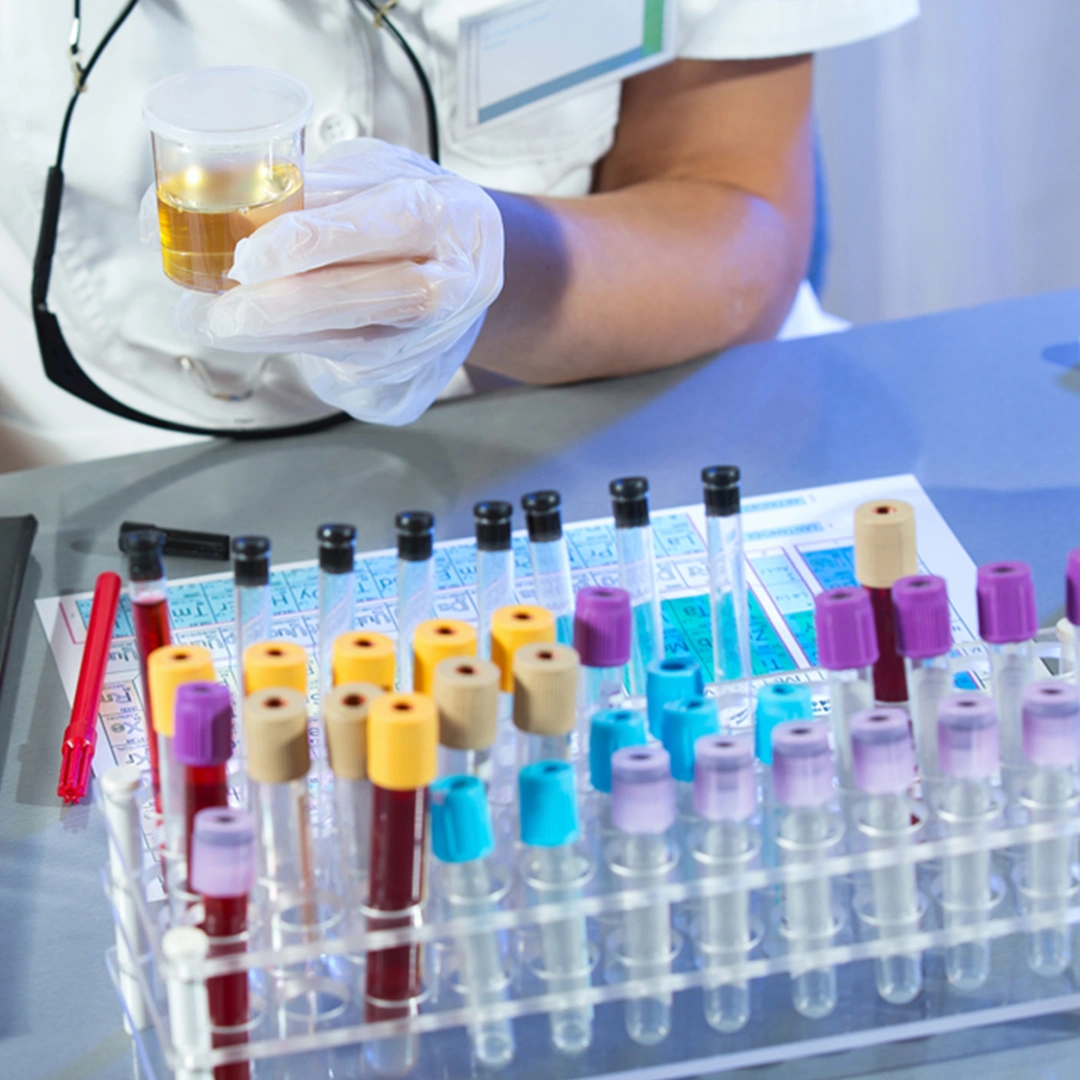
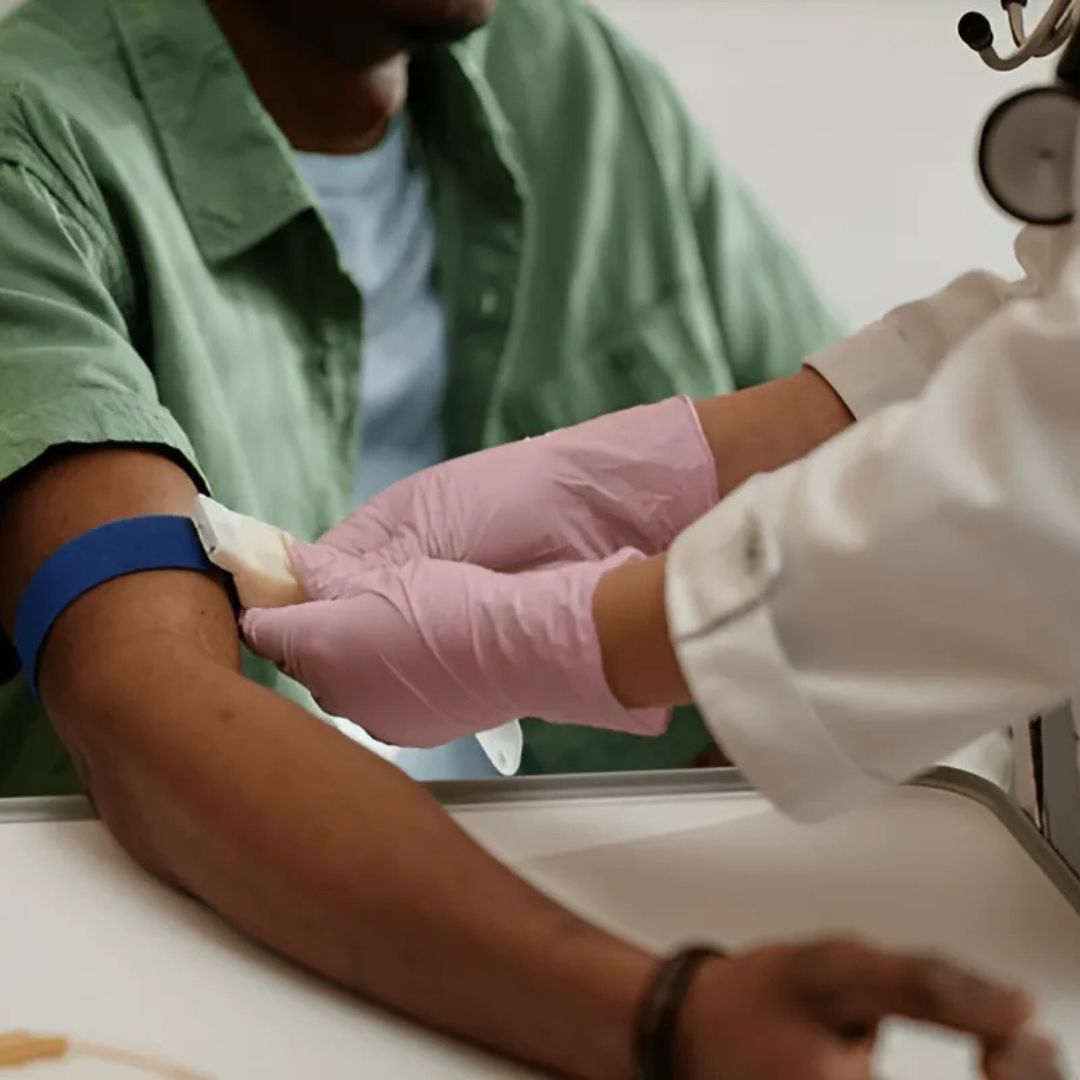
The test is done through a blood sample. Risks are minimal and may include mild pain, bruising, or bleeding at the puncture site. Rarely, dizziness or infection may occur.
Reference Ranges (approximate, may vary by lab and age)
Newborns: May show temporarily high levels in the first few days of life.
Children: Less than 110 ng/dL.
Adult women (follicular phase): Less than 80 ng/dL.
Adult women (luteal phase): Less than 285 ng/dL.
Adult men: Less than 220 ng/dL.


Reviews
There are no reviews yet.