Alanine Aminotransferase (ALT/SGPT), Serum
What it is
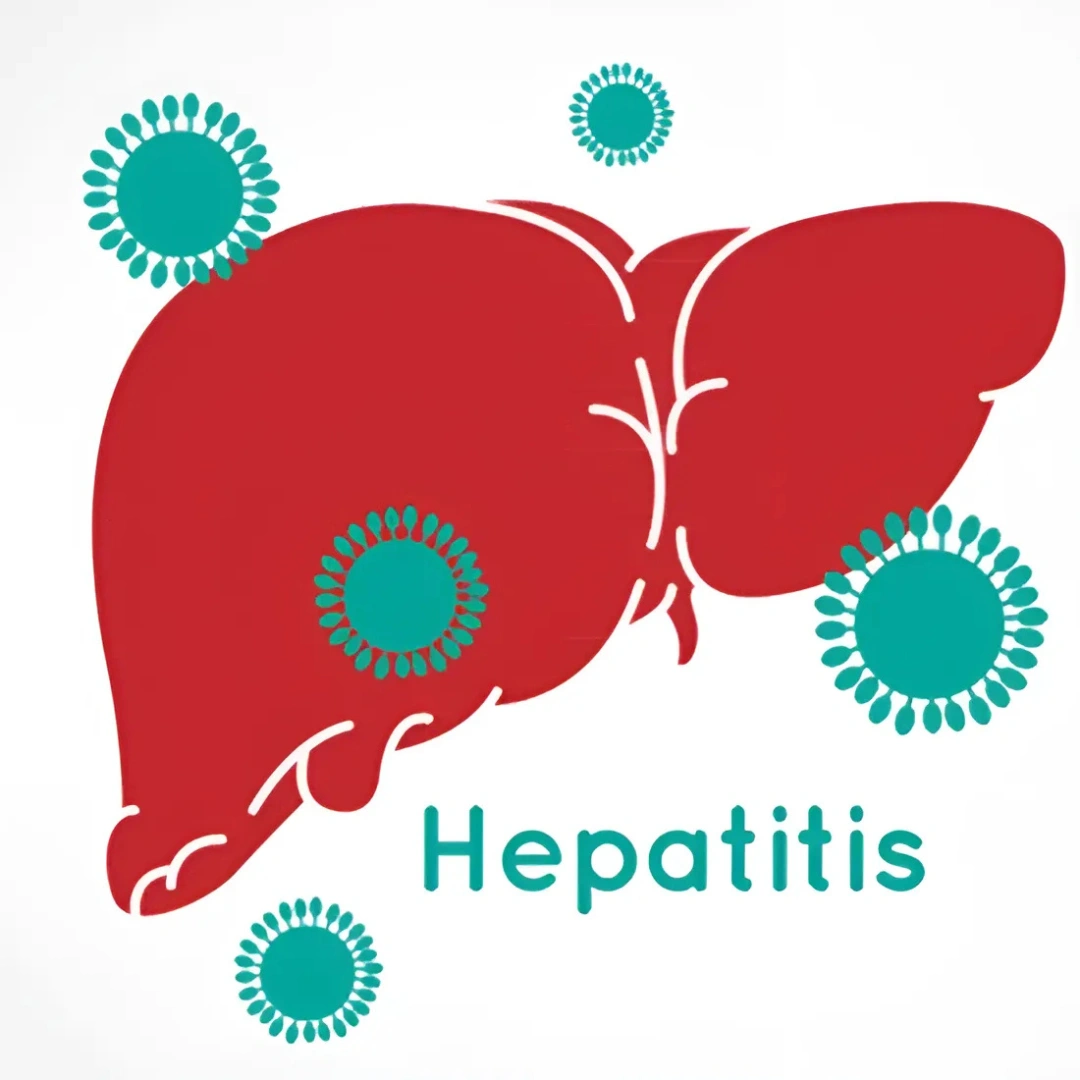
The Alanine Aminotransferase (ALT), also known as Serum Glutamate Pyruvate Transaminase (SGPT), is an enzyme found mainly in the liver. This test measures ALT levels in the blood to check for liver damage or disease. High ALT levels usually indicate injury or inflammation of liver cells.
Uses
This test is used to evaluate liver function, detect liver diseases such as hepatitis, cirrhosis, or fatty liver, and monitor the effects of medications or treatments that may harm the liver. It is often part of a liver function test (LFT) panel.
Symptoms That May Lead to the Test
Doctors may order this test if you have symptoms like persistent fatigue, weakness, loss of appetite, nausea, vomiting, abdominal pain, jaundice (yellowing of skin or eyes), or dark urine. It may also be recommended for people at risk of liver disease due to alcohol use, obesity, or viral infections.
Abnormal Results
High ALT levels: May indicate liver conditions such as hepatitis (viral or autoimmune), alcoholic liver disease, non-alcoholic fatty liver disease (NAFLD), cirrhosis, liver cancer, or damage from drugs and toxins.
Low or normal ALT levels: Usually considered normal. However, very low ALT may occur in advanced liver disease where few healthy liver cells remain.
Risks
The test is a routine blood test and carries minimal risks. Some people may experience mild pain, bruising, or bleeding at the puncture site. Rarely, dizziness or infection may occur.


Reviews
There are no reviews yet.