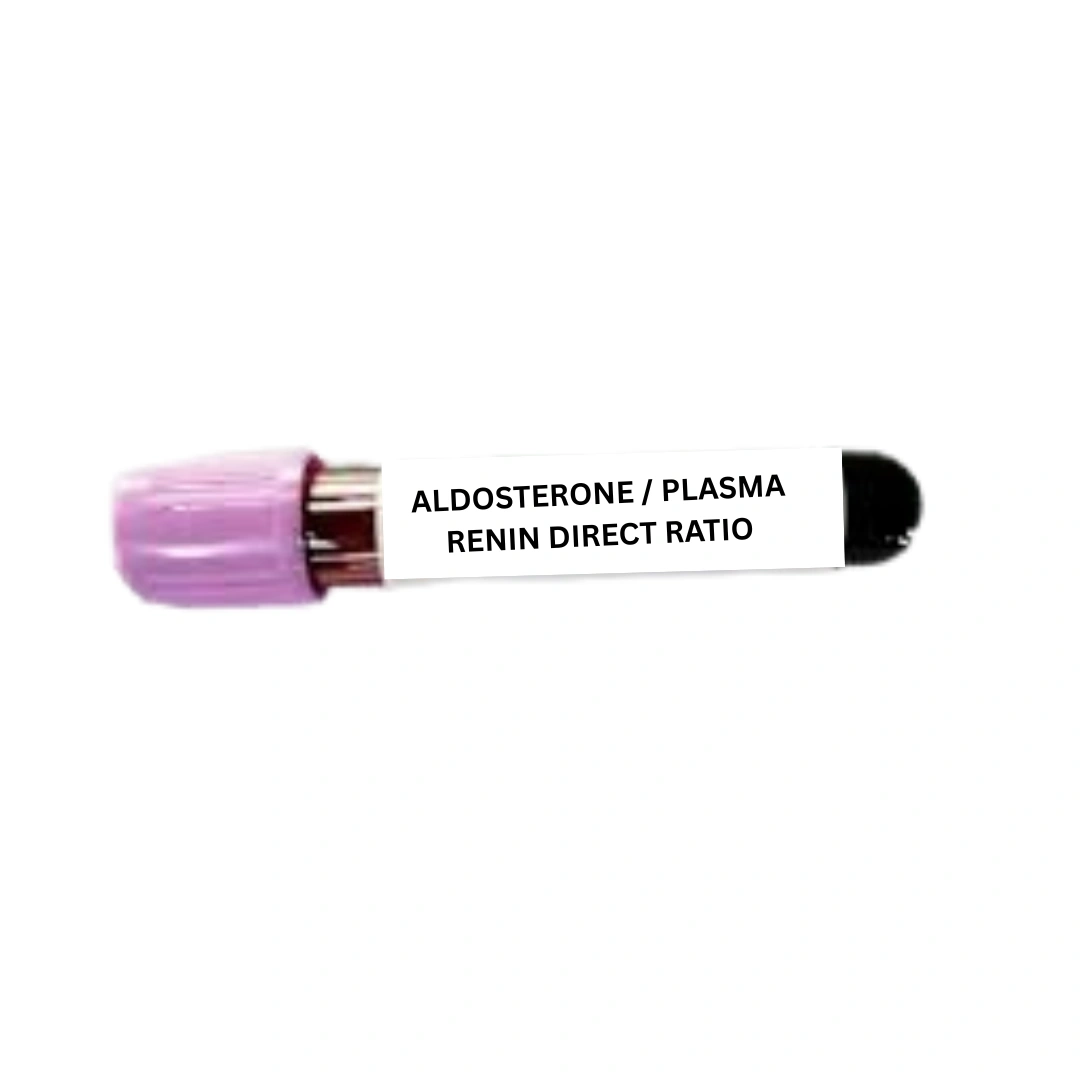
Aldosterone / Plasma Renin Direct Ratio (ARR)
What it is
The Aldosterone / Plasma Renin Direct Ratio (ARR) test measures the balance between two important hormones that control blood pressure and fluid balance: aldosterone and renin. Aldosterone helps regulate sodium and potassium levels, while renin is an enzyme that triggers aldosterone release. The ARR is a valuable screening tool for diagnosing primary aldosteronism (Conn’s syndrome), a condition where excess aldosterone is produced by the adrenal glands.
Uses
This test is mainly used to screen for primary aldosteronism in patients with hypertension. It helps in diagnosing adrenal gland disorders, unexplained low potassium (hypokalemia), and resistant hypertension that does not respond well to standard treatment. It is also helpful in guiding further confirmatory tests such as salt-loading or adrenal imaging.
Symptoms That May Lead to the Test
Doctors may recommend the ARR test if you have high blood pressure that is difficult to control, low potassium levels, muscle weakness, frequent urination, headaches, or a family history of early-onset hypertension or stroke.
Abnormal Results
High ARR: Suggests primary aldosteronism (excess aldosterone production), often due to an adrenal adenoma or bilateral adrenal hyperplasia.
Low or Normal ARR: Usually rules out primary aldosteronism, but results must be interpreted along with other tests and clinical findings.
Risks
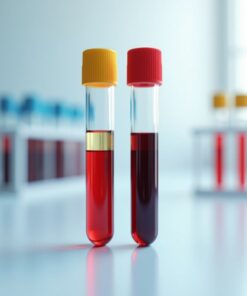
The test requires a routine blood draw, so risks are minimal. Mild pain, bruising, or bleeding at the puncture site may occur, and rarely dizziness or infection.


Reviews
There are no reviews yet.