ANA, 17 Antigens Immunoblot, Serum
What it is
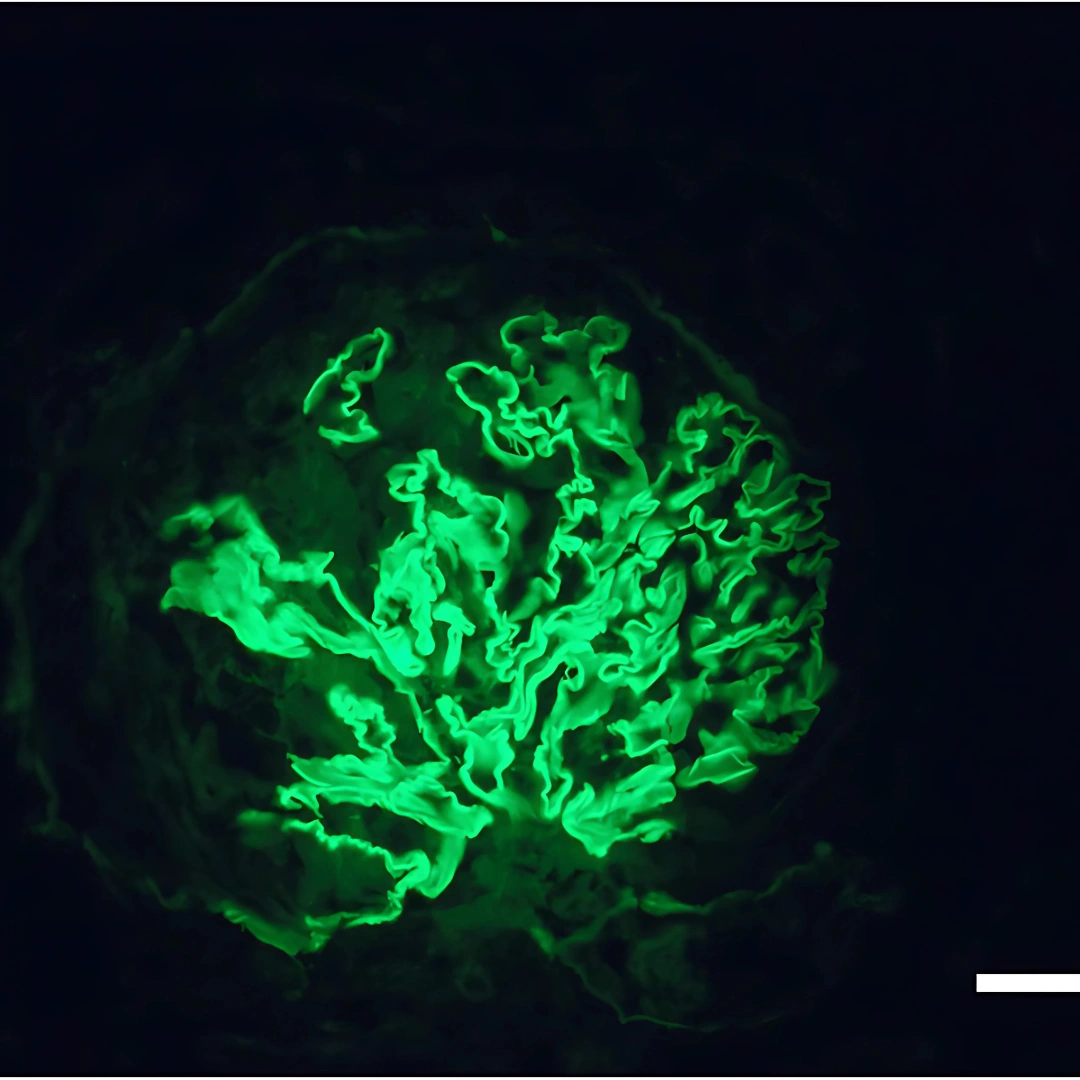
The ANA, 17 Antigens Immunoblot, Serum test is an advanced autoimmune screening test. It detects antinuclear antibodies (ANA) and identifies up to 17 specific autoantibodies associated with autoimmune diseases. This method helps in accurately diagnosing systemic autoimmune disorders by targeting multiple disease-specific antibodies in a single panel.
Uses
This test is used to diagnose and evaluate autoimmune diseases such as systemic lupus erythematosus (SLE), scleroderma, mixed connective tissue disease, Sjögren’s syndrome, autoimmune hepatitis, dermatomyositis, and polymyositis. It also helps distinguish between overlapping syndromes by identifying specific antibody profiles.
Symptoms That May Lead to the Test
Doctors may recommend this test if you have chronic fatigue, unexplained joint pain, muscle weakness, skin rashes, sensitivity to sunlight, recurrent mouth ulcers, Raynaud’s phenomenon, or symptoms of long-term inflammation that suggest autoimmune disease.
Abnormal Results
Positive Autoantibodies: Indicates the presence of one or more autoantibodies such as anti-dsDNA, anti-Smith, anti-SSA/Ro, anti-SSB/La, anti-Scl-70, or anti-Jo-1. The specific antibody pattern helps identify the type of autoimmune condition.
Negative Result: Suggests the absence of ANA or related autoantibodies, making autoimmune disease less likely, though it cannot be completely ruled out in early disease stages.
Risks
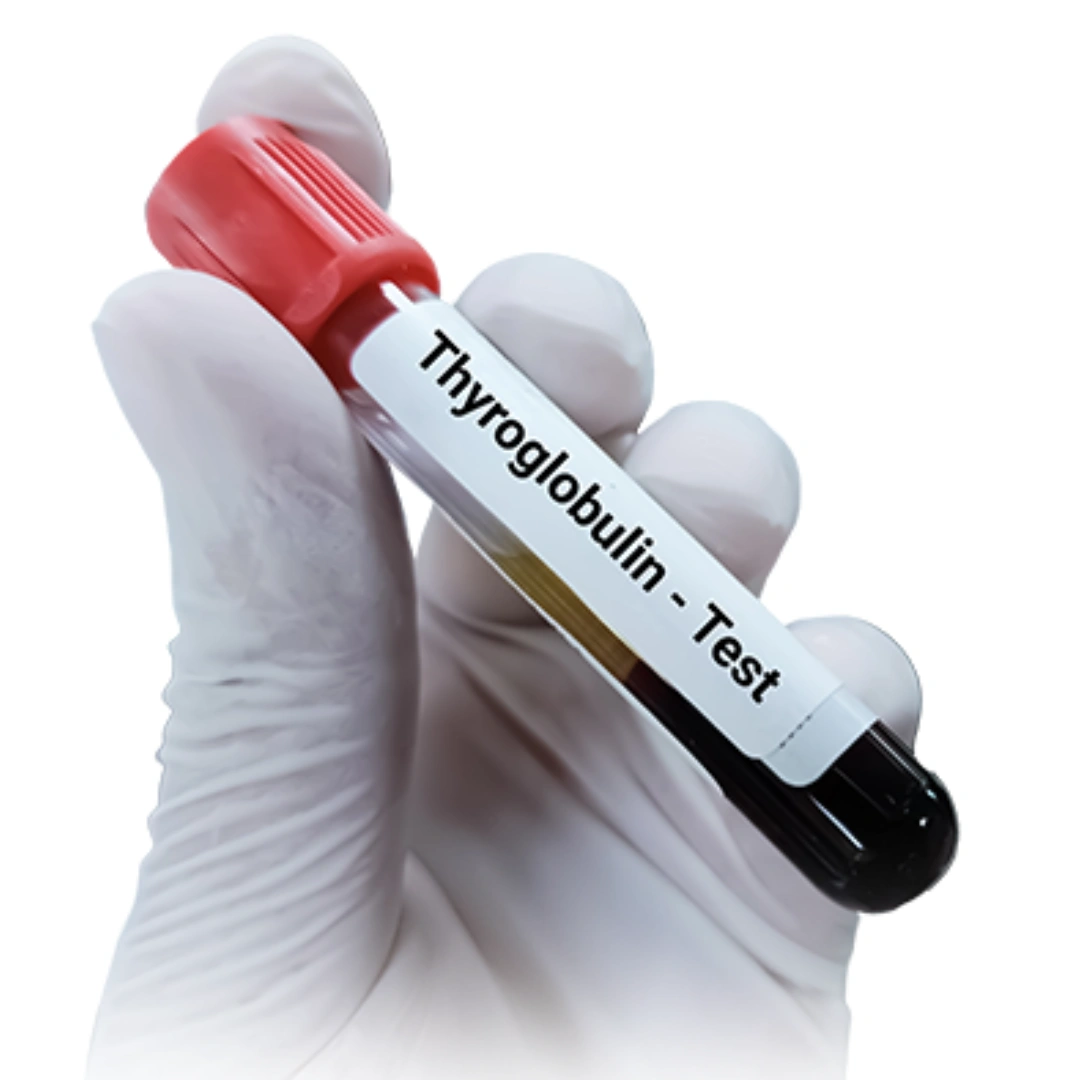
The ANA immunoblot test requires a standard blood draw. Risks are minimal and may include mild pain, bruising, or bleeding at the puncture site. Rarely, dizziness or infection may occur.


Reviews
There are no reviews yet.