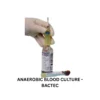
Anaerobic Blood Culture – BACTEC
What it is
The Anaerobic Blood Culture (BACTEC) test is performed to detect and identify bacteria that grow without oxygen (anaerobes) in the bloodstream. The BACTEC system is an automated, highly sensitive culture method that continuously monitors blood samples for microbial growth. Detecting anaerobic bacteria is critical because these infections can cause life-threatening sepsis and require urgent treatment.
Uses
This test is used to diagnose bloodstream infections (bacteremia) caused by anaerobic organisms. It helps identify pathogens such as Bacteroides, Clostridium, Fusobacterium, and Peptostreptococcus species. Results guide doctors in selecting appropriate antibiotic therapy and monitoring response to treatment in septic patients.
Symptoms That May Lead to the Test
Doctors may order this test if you experience persistent fever, chills, low blood pressure, rapid heartbeat, confusion, abdominal pain, foul-smelling discharge, or signs of severe infection. It is especially indicated in patients with suspected intra-abdominal infections, deep tissue abscesses, necrotic wounds, or post-surgical infections.
Abnormal Results
Positive Culture: Indicates the presence of anaerobic bacteria in the bloodstream. Identifying the specific organism helps tailor antibiotic therapy. Positive results usually signify serious infections requiring urgent medical attention.
Negative Culture: Suggests no anaerobic bacterial growth within the detection window. However, a negative result does not always rule out infection, as prior antibiotic use or insufficient sample volume may affect detection.
Risks
The test involves collecting blood samples through venipuncture. Risks are minimal and may include slight pain, bruising, or dizziness at the puncture site. Rarely, infection or excessive bleeding can occur. The benefits of detecting life-threatening bloodstream infections far outweigh these risks.


Reviews
There are no reviews yet.