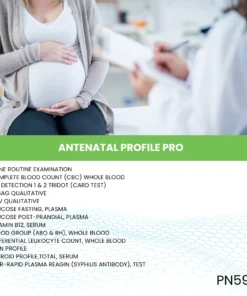
Antenatal Basic Panel
What it is
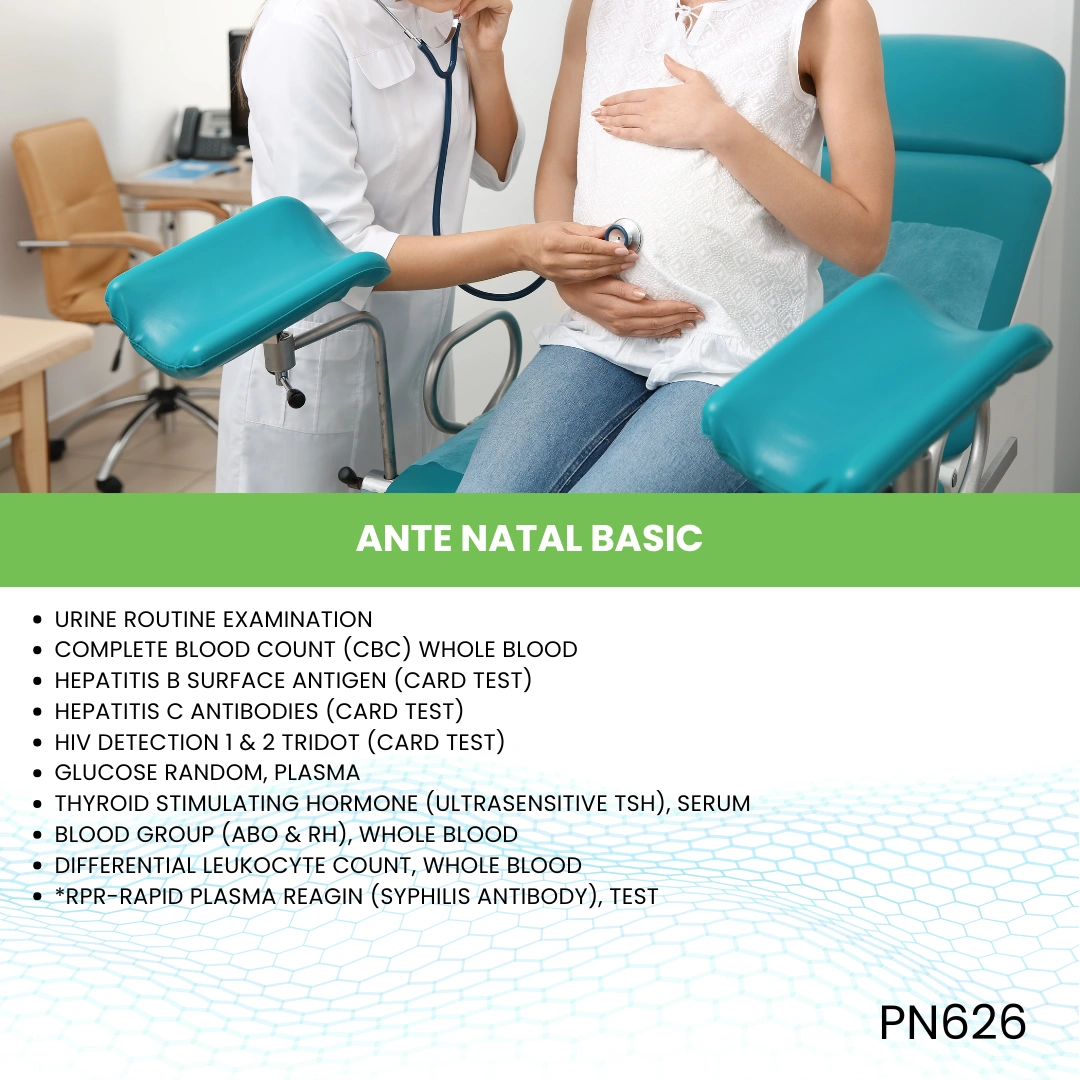
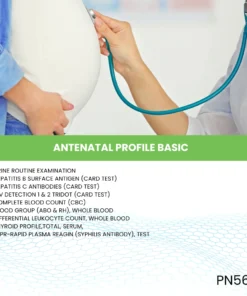
The Antenatal Basic Panel is a set of essential blood and urine tests performed during early pregnancy. It provides a baseline overview of the mother’s health and helps identify common conditions that could affect pregnancy outcomes. This panel usually includes tests for blood group, Rh factor, hemoglobin levels, and screening for key infections.
Uses
This panel is used to detect conditions such as anemia, blood type incompatibility (Rh incompatibility), and infections that may complicate pregnancy. It also helps guide preventive care, early treatment, and safe delivery planning. The Antenatal Basic Panel serves as the foundation for routine prenatal monitoring.
Symptoms or Conditions That May Lead to the Test
Although recommended for all pregnant women, it may be especially important if you experience symptoms like fatigue, weakness, pale skin (suggesting anemia), fever, or have risk factors such as previous pregnancy complications, a history of miscarriages, or pre-existing medical conditions.
Abnormal Results
Low Hemoglobin or Hematocrit: Indicates anemia, which may require iron or vitamin supplementation.
Positive Infection Screening: May suggest exposure to infections like hepatitis B, syphilis, or HIV, which need timely treatment to prevent transmission to the baby.
Rh Factor Incompatibility: If the mother is Rh-negative and the baby is Rh-positive, special management with anti-D injections may be required to prevent complications.
Risks
The test involves routine blood draws and urine collection with minimal risks such as slight pain, bruising, or dizziness after sampling. The health benefits of early detection and monitoring far outweigh these minor risks.


Reviews
There are no reviews yet.