Anti-Endomysial Antibody (EMA) IgA by IFA
What it is
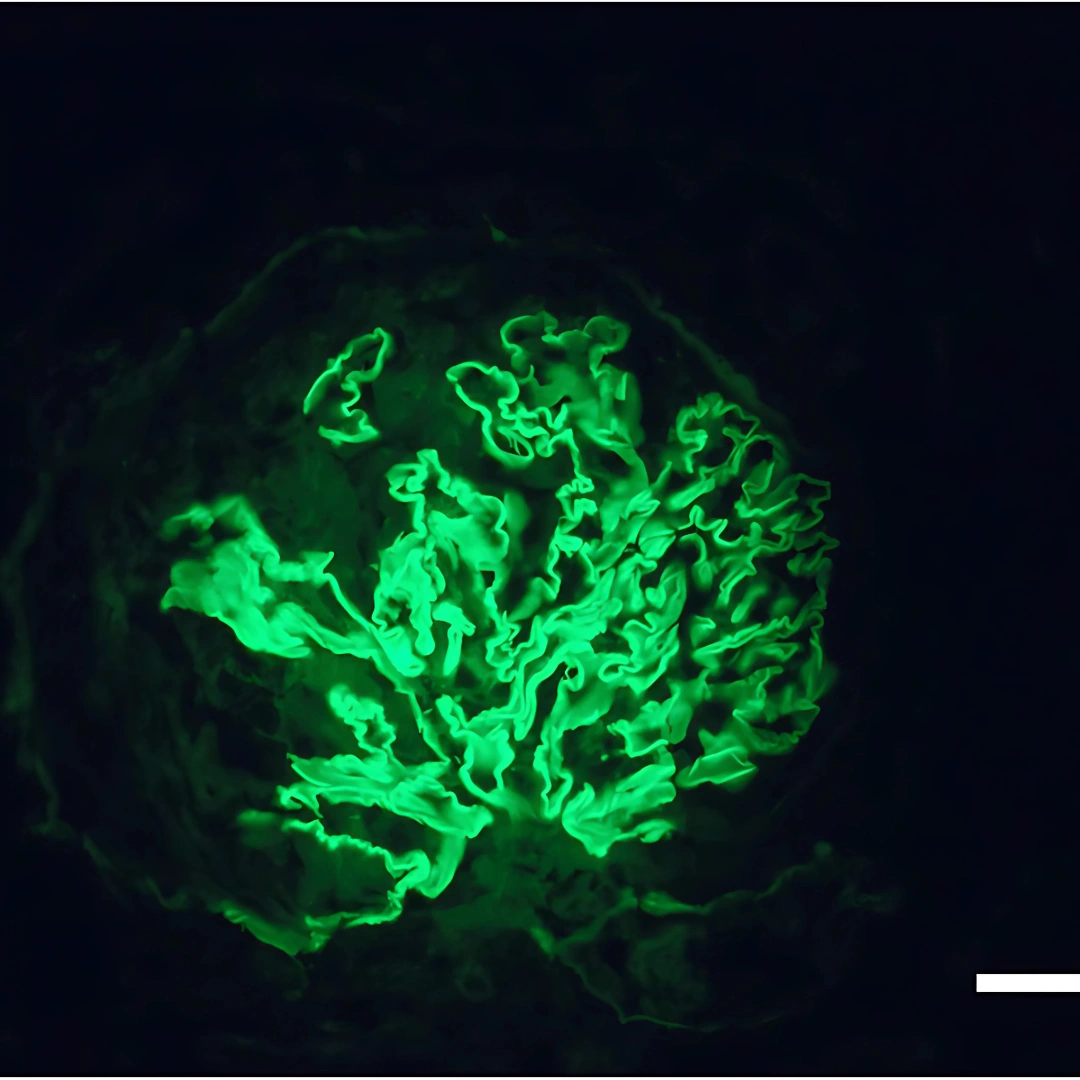
The Anti-Endomysial Antibody (EMA) IgA test, performed by indirect immunofluorescence assay (IFA), detects antibodies directed against endomysium, the connective tissue surrounding muscle fibers. These antibodies are highly specific for celiac disease, an autoimmune disorder triggered by gluten ingestion. EMA testing is considered one of the most reliable serological markers for diagnosing celiac disease.
Uses
This test is primarily used to help diagnose celiac disease in individuals suspected of gluten sensitivity or malabsorption syndromes. It is also useful for monitoring adherence to a gluten-free diet, as EMA antibodies typically disappear when gluten is removed from the diet. It is often ordered alongside other celiac tests such as tissue transglutaminase (tTG) IgA and total IgA levels.
Symptoms That May Lead to the Test
Doctors may recommend the EMA IgA test if you experience chronic diarrhea, bloating, abdominal pain, unexplained weight loss, anemia, fatigue, delayed growth (in children), osteoporosis, or other signs of nutrient malabsorption. It may also be ordered when there is a family history of celiac disease or associated autoimmune conditions.
Abnormal Results
Positive EMA IgA: Strongly indicates celiac disease, especially when supported by clinical symptoms and intestinal biopsy findings. It is highly specific but slightly less sensitive compared to tTG IgA.
Negative EMA IgA: Suggests a lower likelihood of celiac disease, though false negatives may occur in patients with IgA deficiency or those already following a gluten-free diet.
Risks
The test involves a standard blood draw, with minimal risks such as mild discomfort, bruising, or temporary dizziness. No long-term risks are associated with the procedure.


Reviews
There are no reviews yet.