Anti-Mitochondrial Antibodies (AMA)
What it is
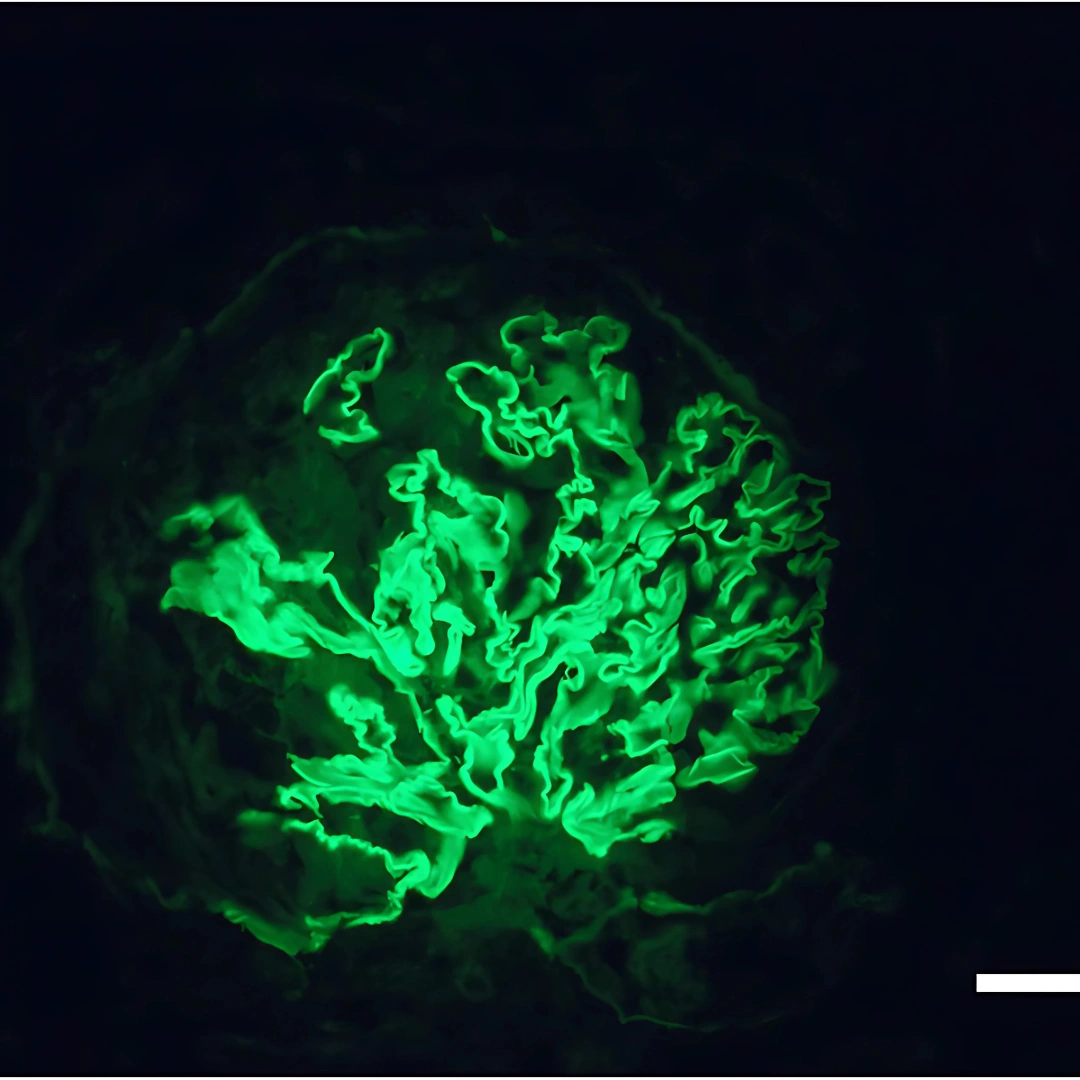
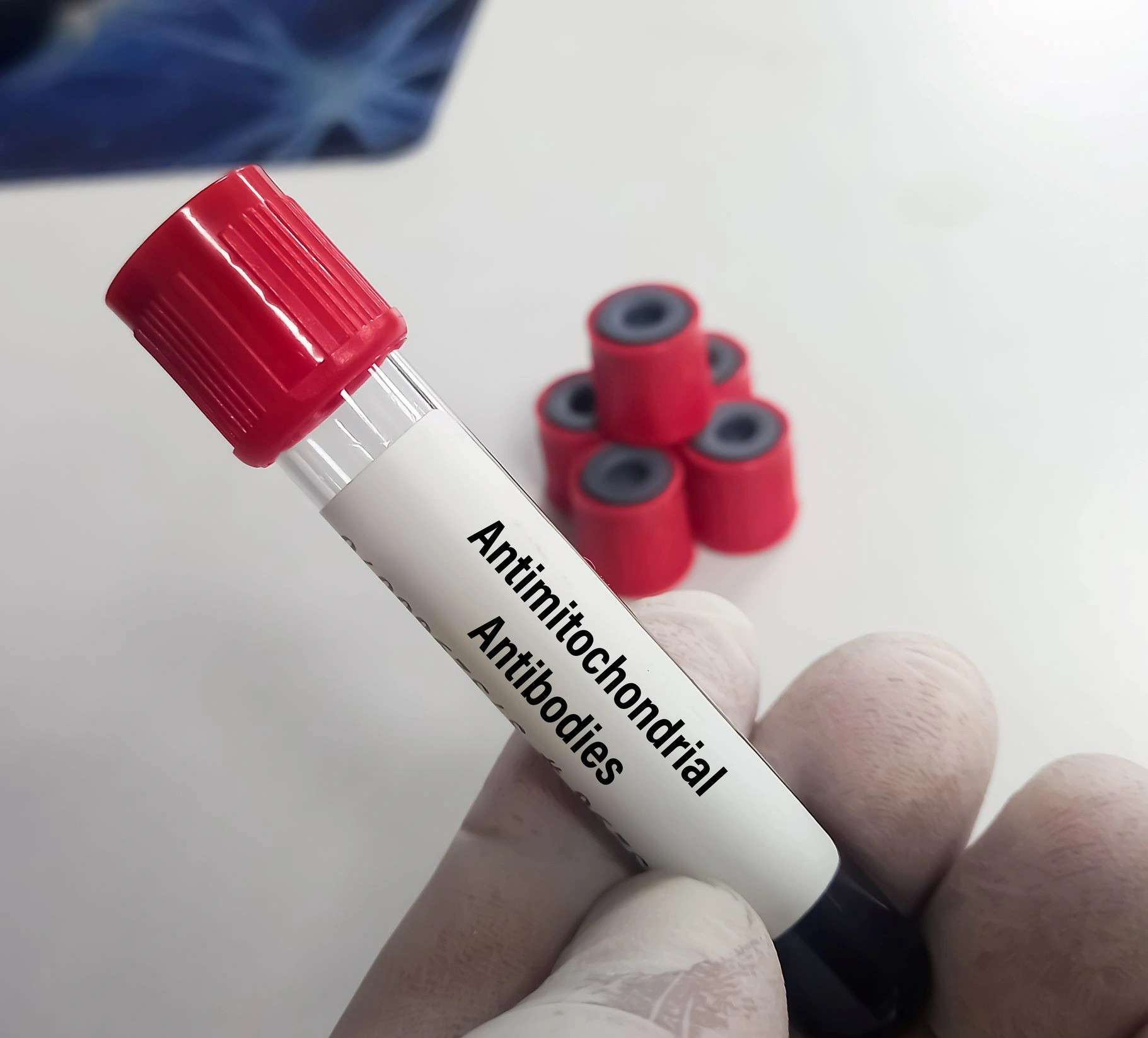
The Anti-Mitochondrial Antibodies (AMA) test detects autoantibodies directed against components of the mitochondria, the energy-producing structures inside cells. AMAs are most commonly associated with primary biliary cholangitis (PBC), an autoimmune liver disease, but may also appear in other autoimmune and liver-related conditions. This blood test is a key diagnostic marker in hepatology and immunology.
Uses
This test is primarily used to help diagnose and confirm primary biliary cholangitis (PBC), especially in patients with abnormal liver function tests. It may also be ordered to evaluate unexplained chronic liver disease, autoimmune conditions, or cholestatic liver function patterns. AMAs are rarely seen in healthy individuals, making them highly specific for PBC.
Symptoms That May Lead to the Test
Doctors may order the AMA test if you show symptoms such as persistent fatigue, itching (pruritus), dry eyes or mouth, abdominal discomfort, jaundice (yellowing of the skin or eyes), dark urine, or unexplained elevations in alkaline phosphatase (ALP) and other liver enzymes. It is often used alongside imaging and other antibody tests for accurate diagnosis.
Abnormal Results
Positive AMA Result: Strongly suggests the presence of primary biliary cholangitis (PBC). It may also be seen in other autoimmune liver conditions, but its specificity for PBC is high.
Negative AMA Result: Makes PBC less likely, though it does not fully exclude the disease. Some patients may have PBC with negative AMA but positive for other autoantibodies such as ANA (antinuclear antibodies) or anti-gp210.
Risks
The test requires a routine blood draw, which carries minimal risks including mild pain, slight bruising, or temporary dizziness. There are no long-term side effects associated with the test.


Reviews
There are no reviews yet.