Anti-Müllerian Hormone (AMH), Serum
What it is
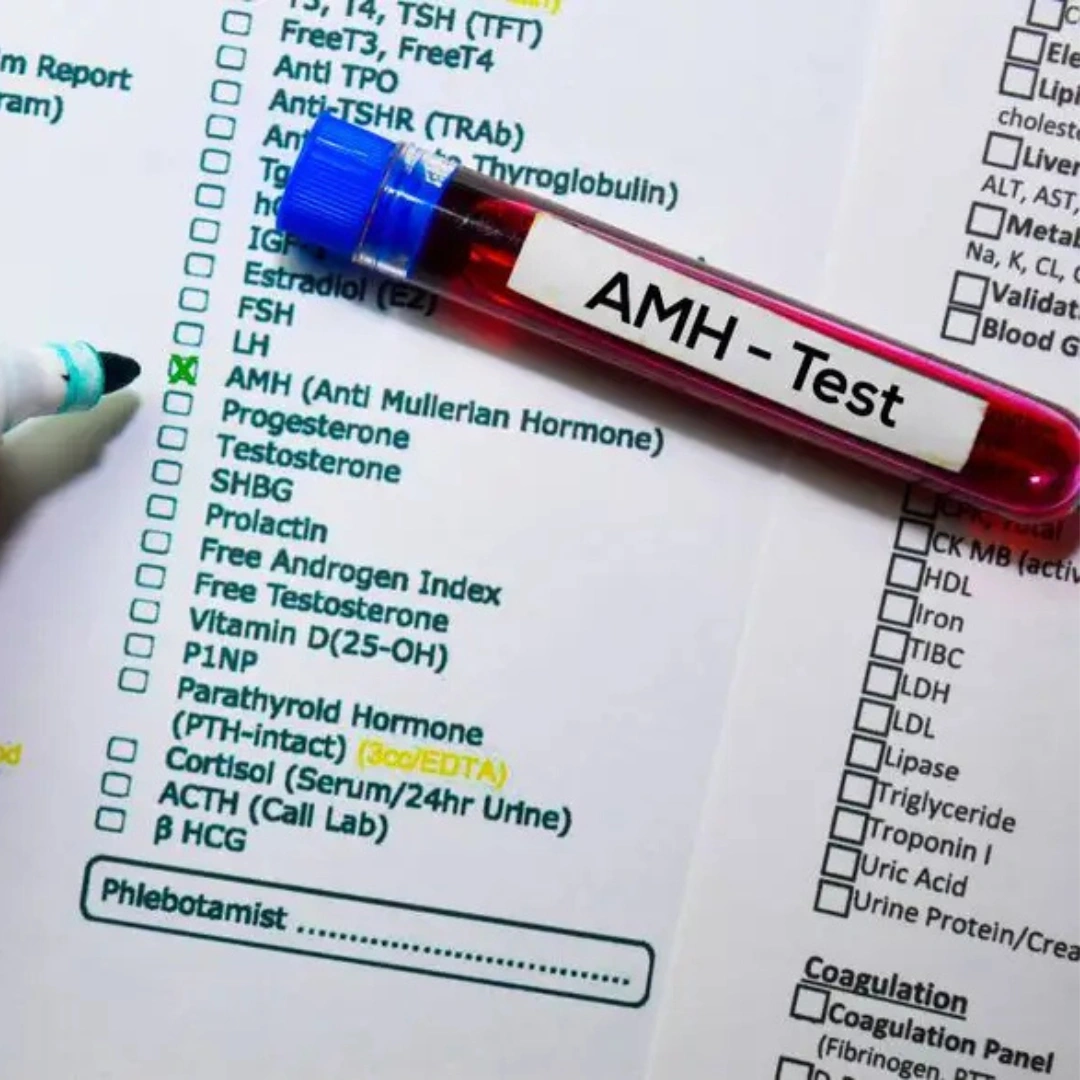
The Anti-Müllerian Hormone (AMH), Serum test measures the level of AMH in the blood. AMH is a hormone produced by the ovaries that reflects the size of a woman’s remaining egg supply, also known as ovarian reserve. In men, AMH is secreted by the testes and plays a role in sexual differentiation during fetal development. The test is widely used in reproductive medicine and fertility assessments.
Uses
This test is commonly used to evaluate a woman’s ovarian reserve, predict response to fertility treatments, and assist in diagnosing conditions such as polycystic ovary syndrome (PCOS) or premature ovarian insufficiency. In children, it may be used to investigate disorders of sexual development. For men, it can help assess testicular function in certain clinical contexts.
Symptoms That May Lead to the Test
Doctors may recommend an AMH test if you are experiencing difficulty conceiving, irregular or absent menstrual cycles, early signs of menopause, or symptoms suggestive of PCOS. In children, the test may be ordered when the cause of ambiguous genitalia or undescended testes needs to be clarified.
Abnormal Results
Low AMH Levels: May suggest reduced ovarian reserve, approaching menopause, or diminished fertility potential. This can also occur in premature ovarian failure or after certain medical treatments like chemotherapy.
High AMH Levels: May indicate PCOS, a high number of ovarian follicles, or, rarely, ovarian tumors. In men, abnormal results may point to testicular dysfunction.
Risks
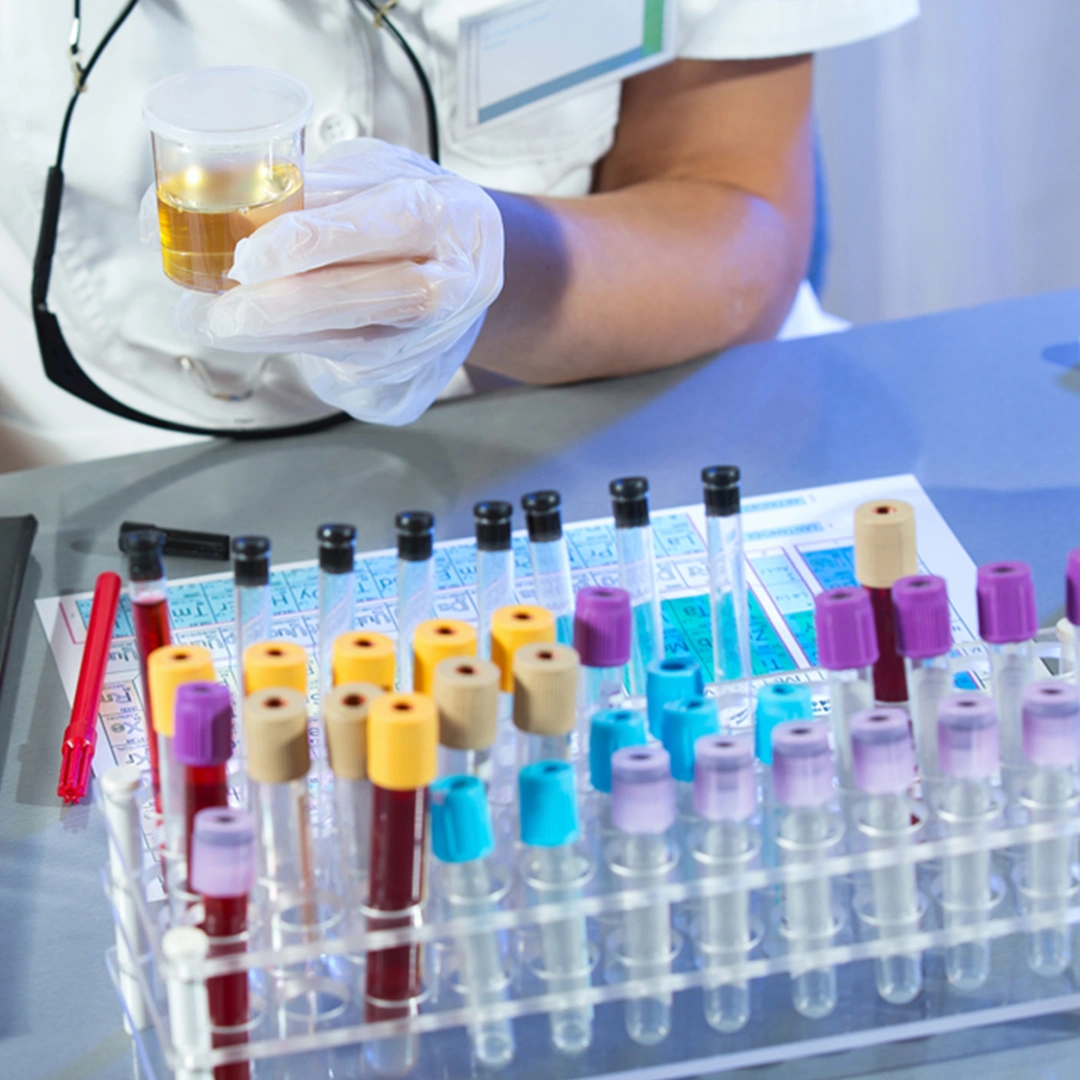
The test requires only a routine blood draw, which carries minimal risks such as mild pain, slight bruising, or temporary dizziness. There are no long-term complications associated with the test itself.


Reviews
There are no reviews yet.