Anti-Nuclear Antibody (ANA), Serum
What it is
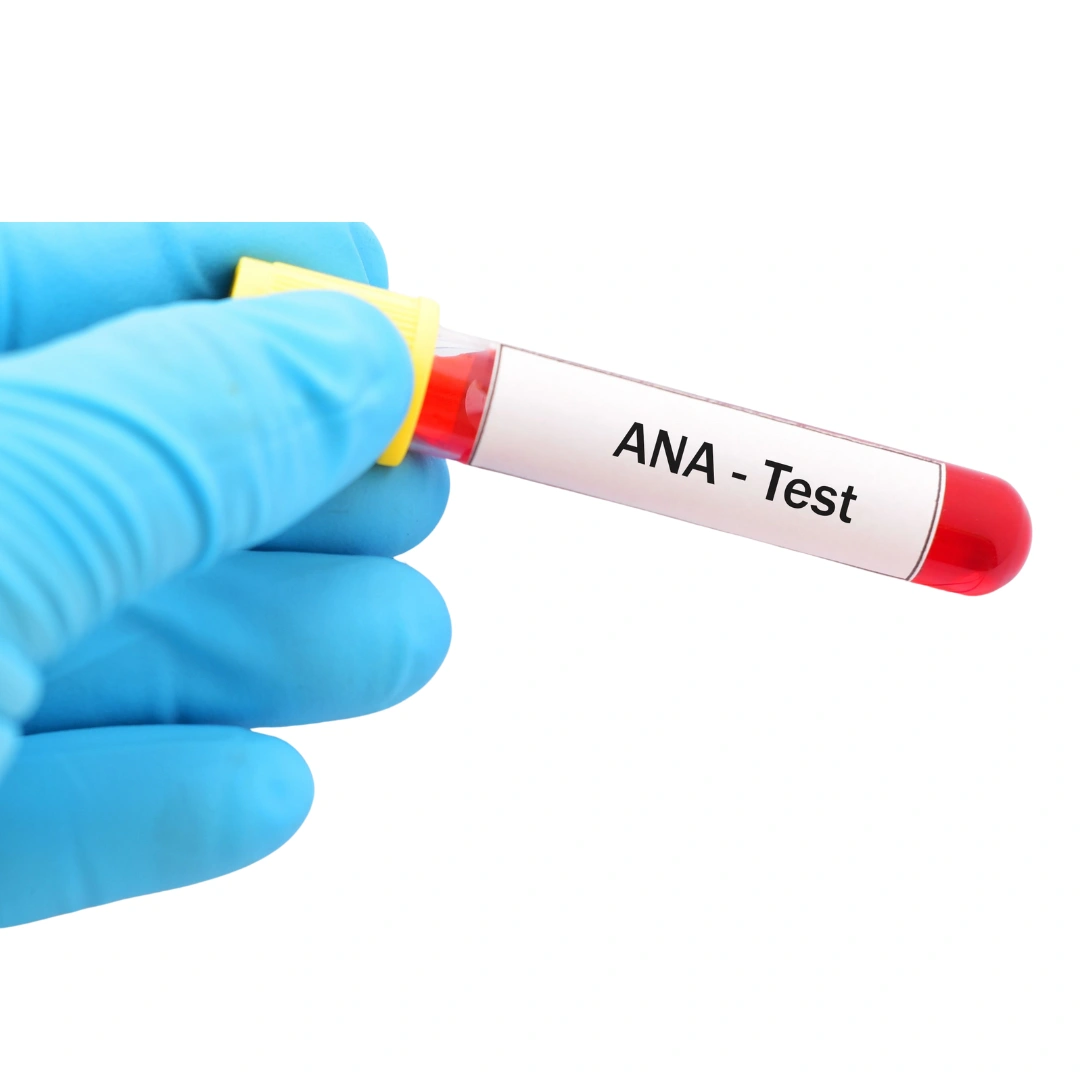
The Anti-Nuclear Antibody (ANA), Serum test detects autoantibodies that target the nuclei of cells. These antibodies are often associated with autoimmune diseases, where the body’s immune system mistakenly attacks its own tissues.
Uses
This test is commonly used to screen for and help diagnose autoimmune disorders such as systemic lupus erythematosus (SLE), Sjögren’s syndrome, scleroderma, and mixed connective tissue disease. It may also be ordered to monitor disease activity in patients already diagnosed with autoimmune conditions.
Symptoms That May Lead to the Test
Doctors may recommend this test if a patient has unexplained symptoms such as joint pain, prolonged fatigue, skin rashes, fever, muscle pain, or signs of systemic inflammation that suggest autoimmune disease.
Abnormal Results
Positive ANA: Suggests the presence of an autoimmune disorder. A high titer or specific staining pattern may point toward diseases such as lupus, scleroderma, or mixed connective tissue disease.
Negative ANA: Indicates no detectable antinuclear antibodies. However, some autoimmune conditions may still be present without a positive ANA result.
Risks
The ANA Serum test is a standard blood test with minimal risks. Possible side effects include mild pain, bruising, or bleeding at the puncture site, and rarely dizziness or infection.


Reviews
There are no reviews yet.