Anti-Ovarian Antibodies
What it is
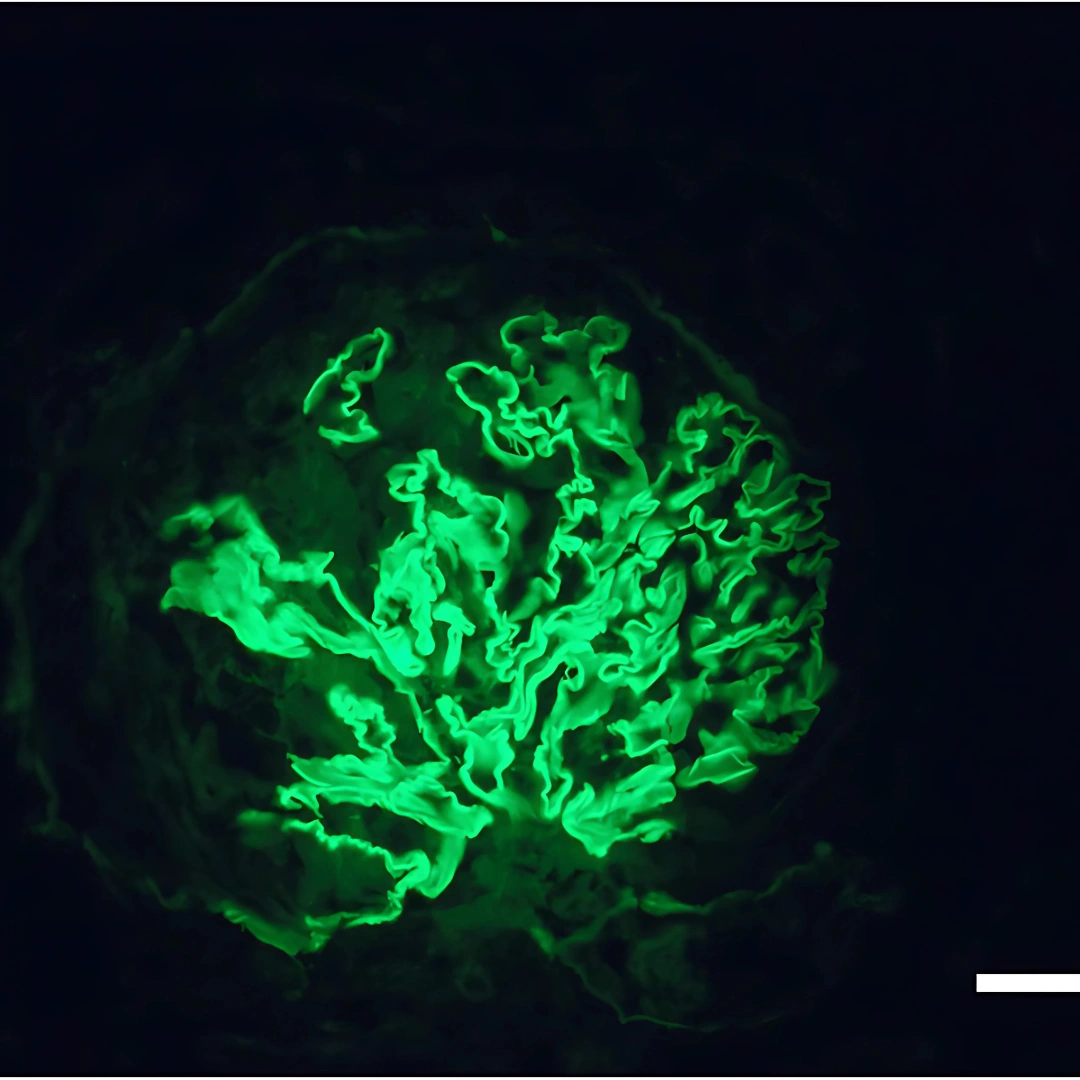
The Anti-Ovarian Antibodies test detects autoantibodies that target ovarian tissue. Their presence indicates an autoimmune reaction that may interfere with ovarian function, potentially leading to premature ovarian failure, infertility, or menstrual irregularities. This test is often included in the evaluation of women with reproductive health issues.
Uses
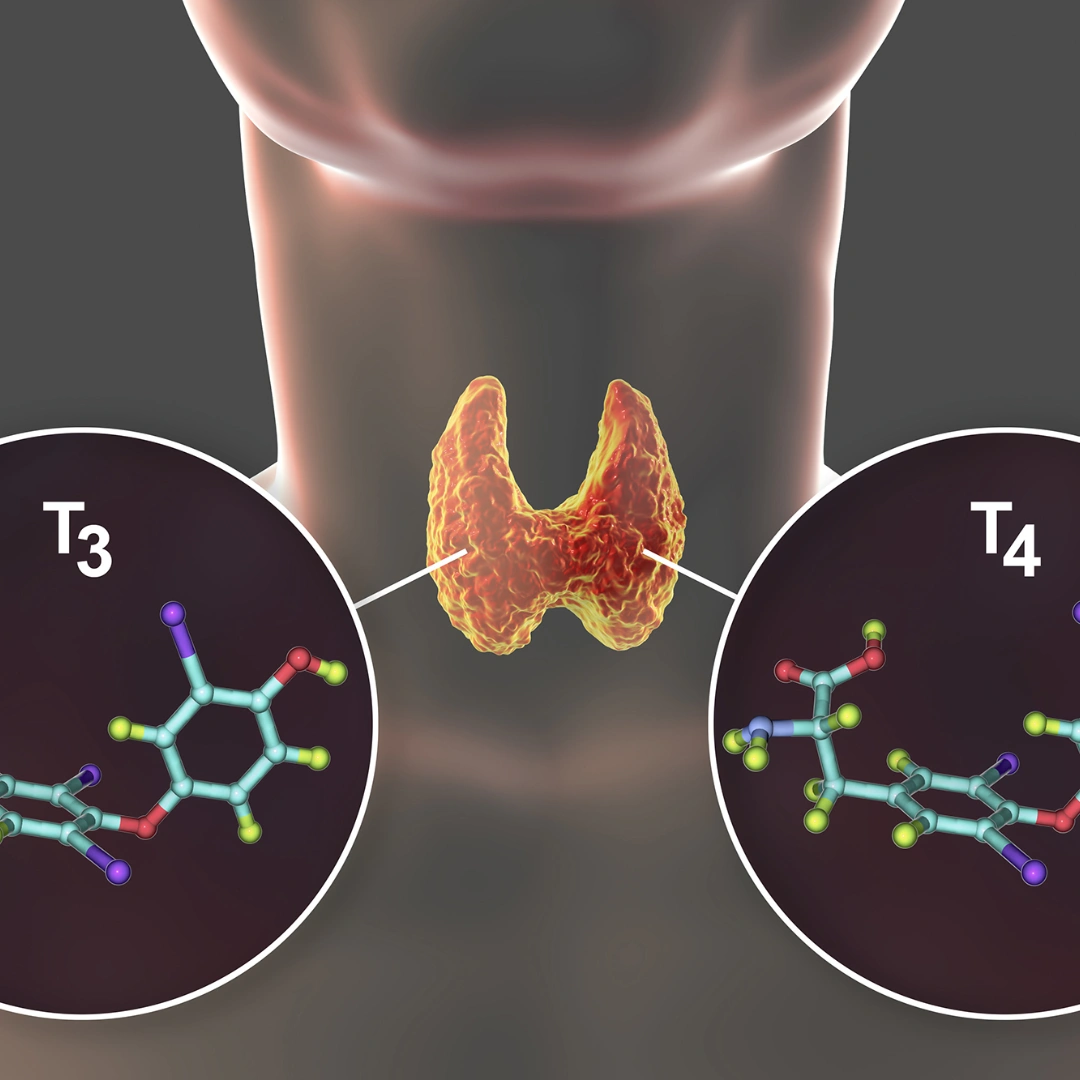
This test is used to investigate unexplained infertility, irregular menstrual cycles, or suspected autoimmune ovarian failure. It may also be recommended for women with other autoimmune conditions, such as thyroid disease or Addison’s disease, since these can occur together with autoimmune ovarian damage.
Symptoms That May Lead to the Test
Doctors may recommend this test if a patient experiences difficulty conceiving, irregular or absent periods, early menopause symptoms (such as hot flashes or night sweats), pelvic pain, or has a history of autoimmune disorders affecting reproductive health.
Abnormal Results
Positive Anti-Ovarian Antibodies: Suggests autoimmune ovarian damage, premature ovarian failure, or increased risk of infertility. Further evaluation with hormone tests and imaging may be required for confirmation.
Negative Anti-Ovarian Antibodies: Indicates no detectable autoimmune response against ovarian tissue, though other causes of infertility or ovarian dysfunction may still be present.
Risks
The Anti-Ovarian Antibodies test is a routine blood test with minimal risks. Possible side effects include mild pain, bruising, or bleeding at the puncture site, and rarely dizziness or infection.


Reviews
There are no reviews yet.