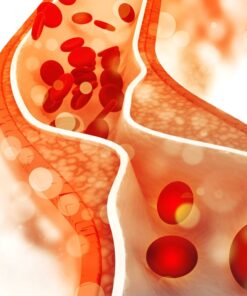
Anti-Thrombin III Antigen
What it is
The Anti-Thrombin III Antigen test measures the amount of anti-thrombin protein present in the blood. Anti-thrombin is a natural anticoagulant that helps regulate blood clotting by inhibiting enzymes like thrombin and factor Xa. Deficiency or dysfunction of this protein increases the risk of abnormal blood clots (thrombosis).
Uses
This test is used to diagnose inherited or acquired anti-thrombin deficiency, investigate unexplained or recurrent blood clots, evaluate patients with deep vein thrombosis (DVT) or pulmonary embolism (PE), and monitor individuals receiving anticoagulant therapy such as heparin.
Symptoms That May Lead to the Test
The test may be ordered if a person has recurrent venous thrombosis, pulmonary embolism, clotting at a young age, a strong family history of clotting disorders, or resistance to standard anticoagulant therapy.
Abnormal Results
Low Anti-Thrombin III levels: May indicate inherited deficiency, liver disease, nephrotic syndrome, disseminated intravascular coagulation (DIC), or prolonged heparin use.
Normal or high levels: Usually considered normal, but functional activity testing may be needed to confirm clotting risk.
Risks
The test involves a routine blood draw with minimal risks, such as mild pain, bruising, or bleeding at the puncture site. Rarely, dizziness or infection can occur.


Reviews
There are no reviews yet.