Antinuclear Antibody Screen (ANA), IFA
What it is
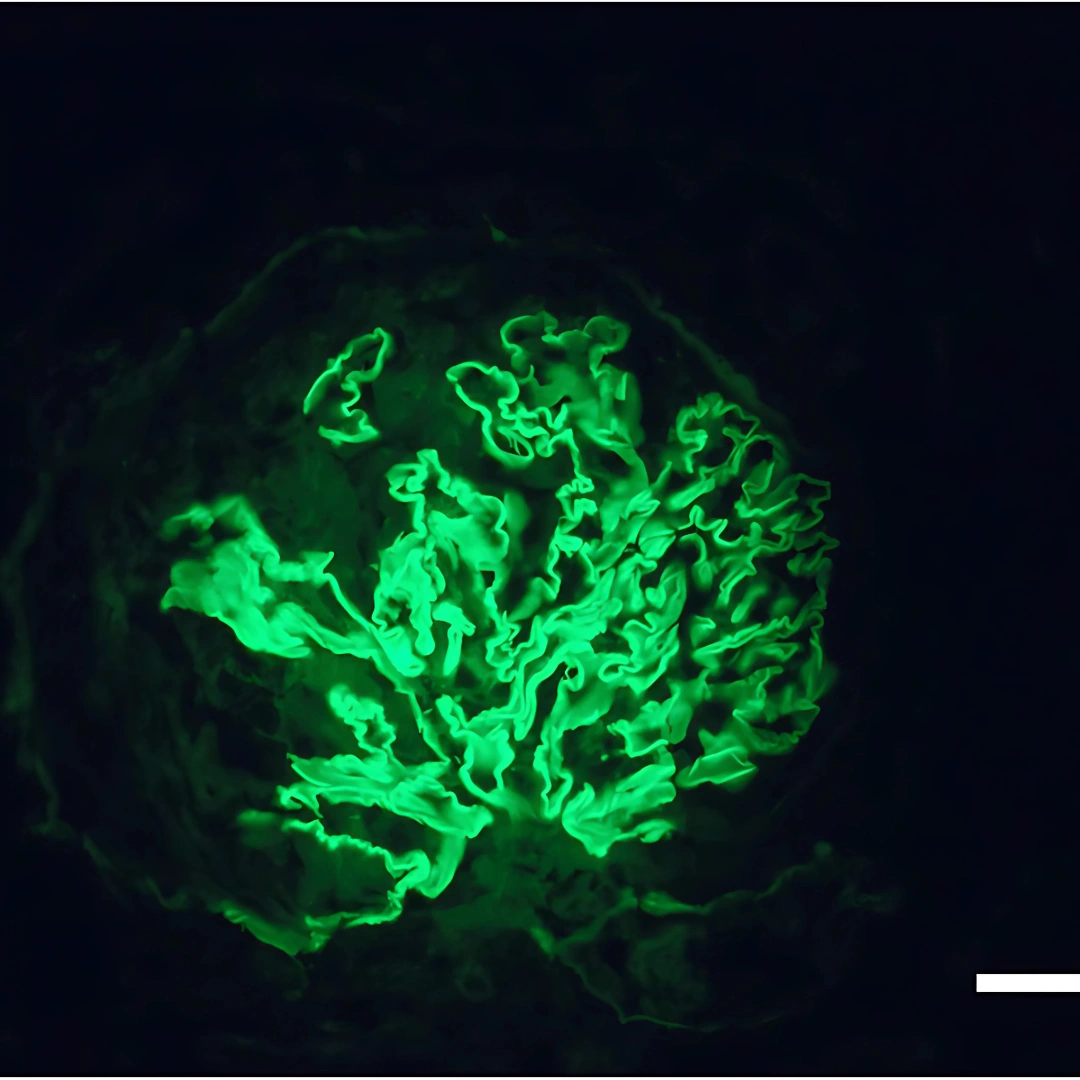
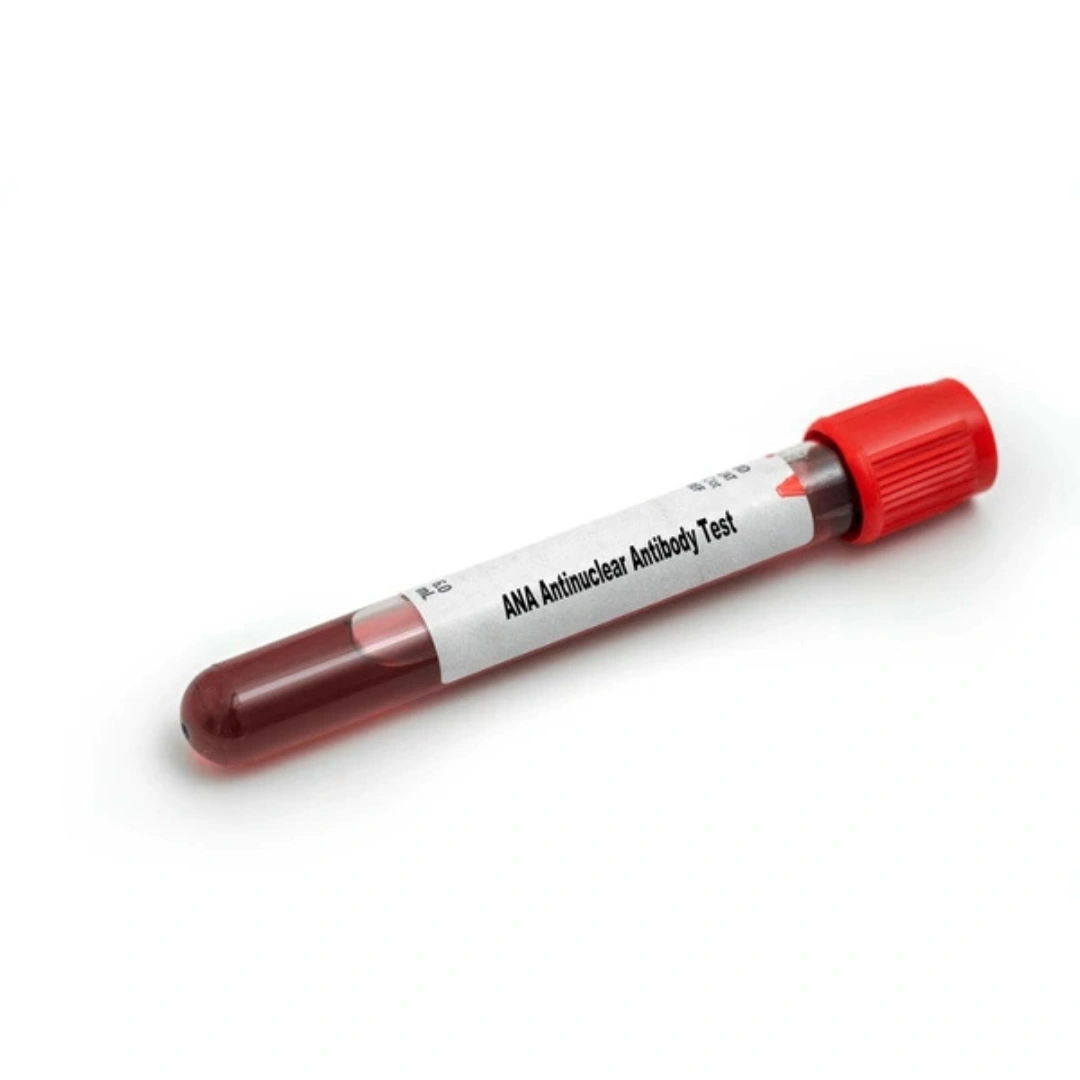
The Antinuclear Antibody (ANA) Screen using Indirect Immunofluorescence Assay (IFA) detects autoantibodies that target the nuclei of the body’s own cells. ANA testing is one of the most commonly ordered tests for autoimmune diseases and helps identify conditions where the immune system mistakenly attacks healthy tissues.
Uses
This test is used to screen for autoimmune disorders such as systemic lupus erythematosus (SLE), Sjögren’s syndrome, scleroderma, polymyositis, mixed connective tissue disease, and other rheumatologic conditions. It helps doctors evaluate unexplained symptoms and guide further confirmatory testing.
Symptoms That May Lead to the Test
Doctors may recommend the ANA test if a patient experiences persistent fatigue, joint pain, skin rashes, unexplained fever, photosensitivity, hair loss, Raynaud’s phenomenon, mouth ulcers, or other systemic symptoms suggestive of autoimmune disease.
Abnormal Results
Positive ANA: Suggests the presence of autoimmune disease. However, low levels may be seen in healthy individuals or with infections and certain medications. The specific fluorescence pattern (homogeneous, speckled, nucleolar, etc.) may provide additional diagnostic clues.
Negative ANA: Makes active autoimmune disease less likely but does not completely rule it out, especially in early disease stages.
Risks
The ANA test is a simple blood test with minimal risks. Possible side effects include mild pain, bruising, or bleeding at the puncture site, and rarely dizziness or infection.


Reviews
There are no reviews yet.