Automated Blood Culture – Aerobic (BACTEC)
What it is
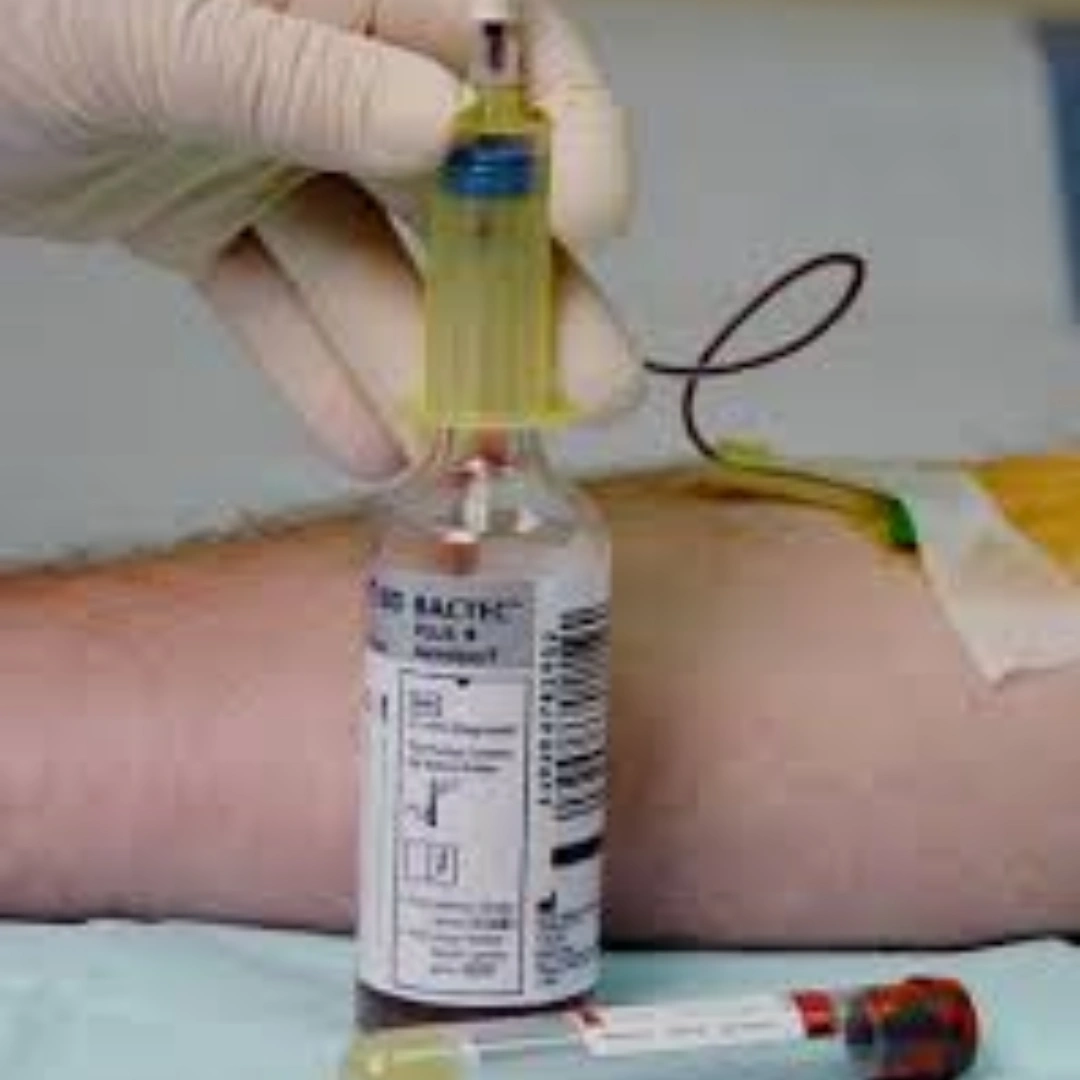
The Automated Blood Culture – Aerobic (BACTEC) test is a highly sensitive laboratory method used to detect bacteria and fungi in the bloodstream. It uses the BACTEC automated system to incubate and monitor blood samples for microbial growth, focusing on organisms that thrive in oxygen-rich (aerobic) conditions.
Uses
This test helps diagnose bloodstream infections (bacteremia and fungemia), detect sepsis early, identify the causative organism, and guide the selection of effective antibiotic or antifungal therapy. It is a critical tool in managing life-threatening infections.
Symptoms That May Lead to the Test
Doctors may order an aerobic blood culture if you have persistent fever, chills, rapid heart rate, low blood pressure, confusion, or symptoms of sepsis. It is also recommended for patients with indwelling catheters, compromised immunity, or suspected endocarditis.
Abnormal Results
Positive Result: Indicates bacterial or fungal growth in the blood. The specific microorganism is identified, and antibiotic susceptibility testing is performed to guide treatment.
Negative Result: Suggests no aerobic organisms detected in the bloodstream. However, false negatives can occur if the patient has already started antibiotics or if the infection is due to anaerobic organisms.
Risks
The risks are limited to blood collection, which may cause mild pain, bruising, or bleeding at the puncture site. Rarely, dizziness, fainting, or infection at the puncture site may occur. The test itself carries no additional risks.


Reviews
There are no reviews yet.