B-Type Natriuretic Peptide (BNP) Test
What it is
The B-Type Natriuretic Peptide (BNP) test measures the level of BNP, a hormone produced by the heart. When the heart is under stress or strained, such as in heart failure, BNP levels rise. This test helps assess heart function and detect heart-related problems.
Uses
The BNP test is mainly used to diagnose and monitor heart failure. It helps differentiate between heart-related shortness of breath and lung-related causes, assess severity of heart disease, and monitor response to treatment in patients with chronic heart failure.
Symptoms That May Lead to the Test
This test is often ordered if a patient has symptoms such as shortness of breath, swelling in the legs or ankles, persistent fatigue, rapid weight gain from fluid retention, or difficulty breathing when lying down. These signs may suggest heart failure or other cardiac conditions.
Abnormal Results
High BNP Levels: May indicate heart failure, left ventricular dysfunction, pulmonary hypertension, kidney disease, or acute coronary syndrome. The higher the BNP, the more severe the heart strain.
Low BNP Levels: Usually suggest no heart failure. However, obesity and certain medications can also lower BNP levels even in heart patients.
Risks
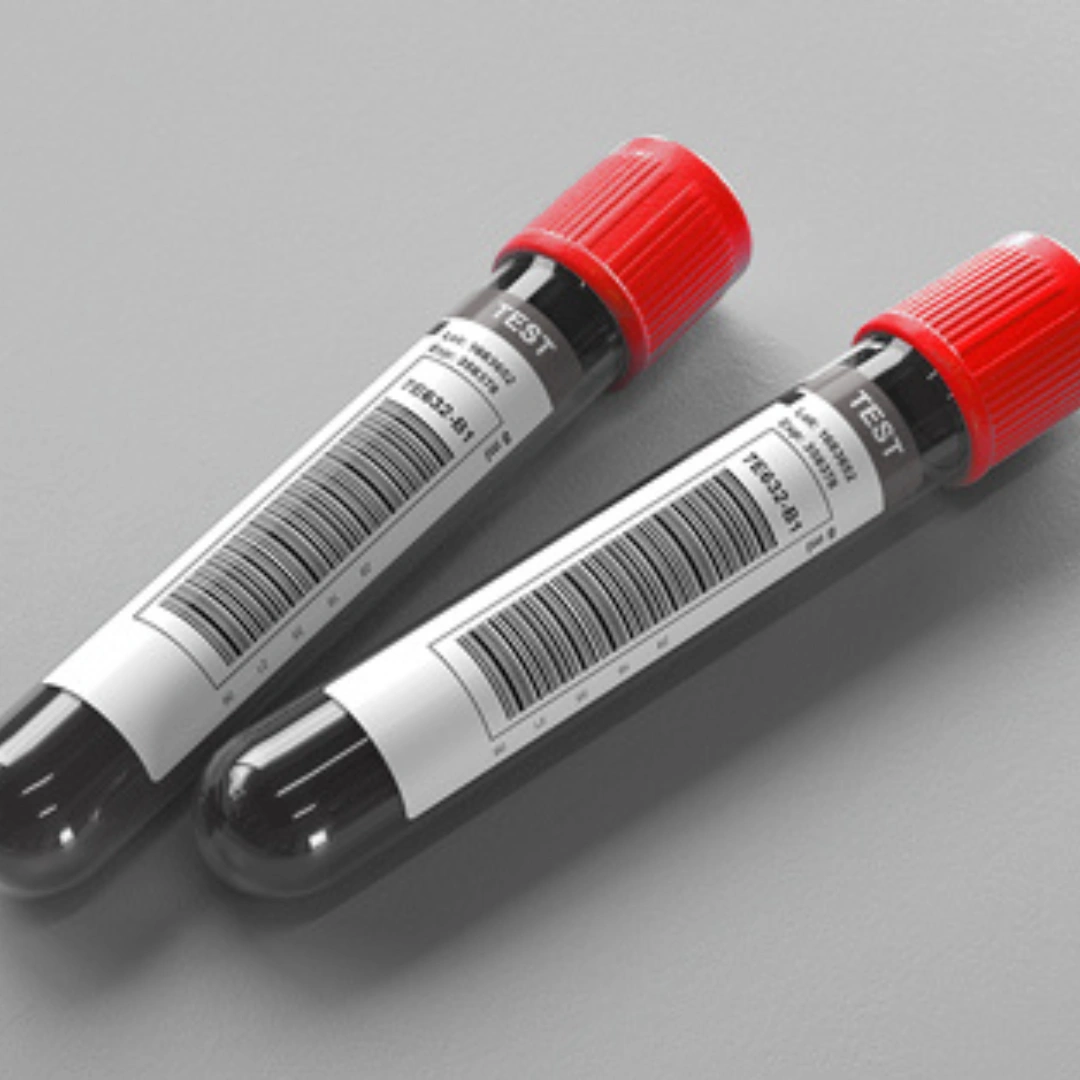
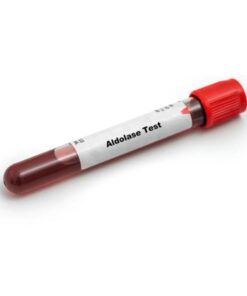
The BNP test is a simple blood test with minimal risks. Patients may experience mild pain, bruising, or bleeding at the puncture site, and rarely dizziness or infection.


Reviews
There are no reviews yet.