Bence Jones Protein, Urine
What it is
The Bence Jones Protein test in urine detects abnormal light chains of antibodies (immunoglobulin light chains) produced by plasma cells. These proteins are often linked with multiple myeloma and other plasma cell disorders. The test helps in diagnosing and monitoring certain blood cancers and related conditions.
Uses
This test is used to detect and monitor multiple myeloma, Waldenström’s macroglobulinemia, amyloidosis, and other disorders involving abnormal plasma cell activity. It also helps track disease progression and treatment response.
Symptoms That May Lead to the Test
Doctors may order this test if you experience persistent bone pain, unexplained fractures, fatigue, weakness, frequent infections, anemia, or abnormal kidney function.
Abnormal Results
Positive for Bence Jones Protein: Indicates the presence of abnormal immunoglobulin light chains, commonly associated with multiple myeloma or related plasma cell disorders. High levels may also affect kidney function.
Negative Result: No abnormal proteins detected. However, this does not completely rule out early or mild disease; further testing may be needed.
Risks
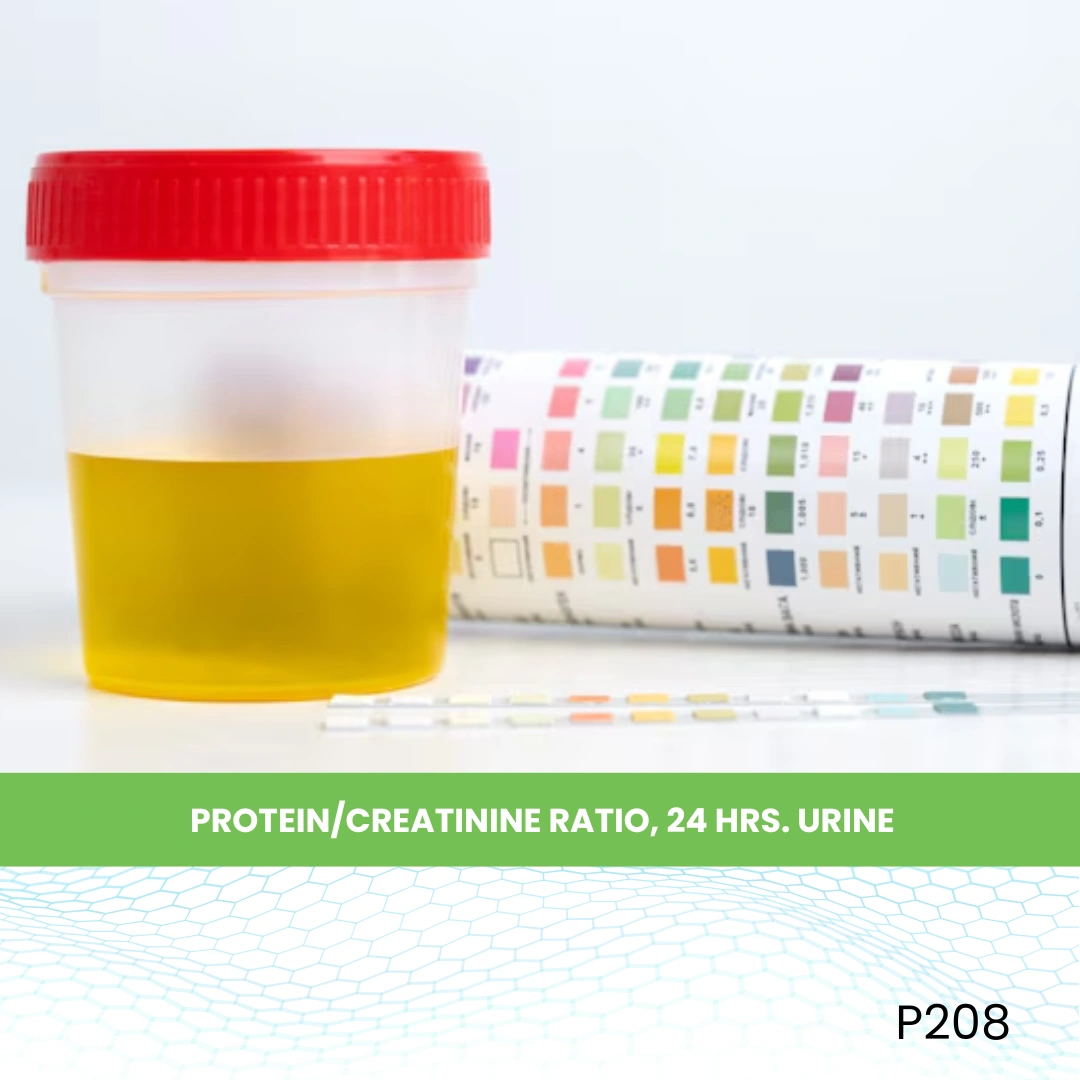
This is a urine-based test and carries no direct risks. The main challenge is the inconvenience of 24-hour urine collection, which is required for accurate measurement.


Reviews
There are no reviews yet.