Blood Urea Nitrogen (BUN), Serum
What it is
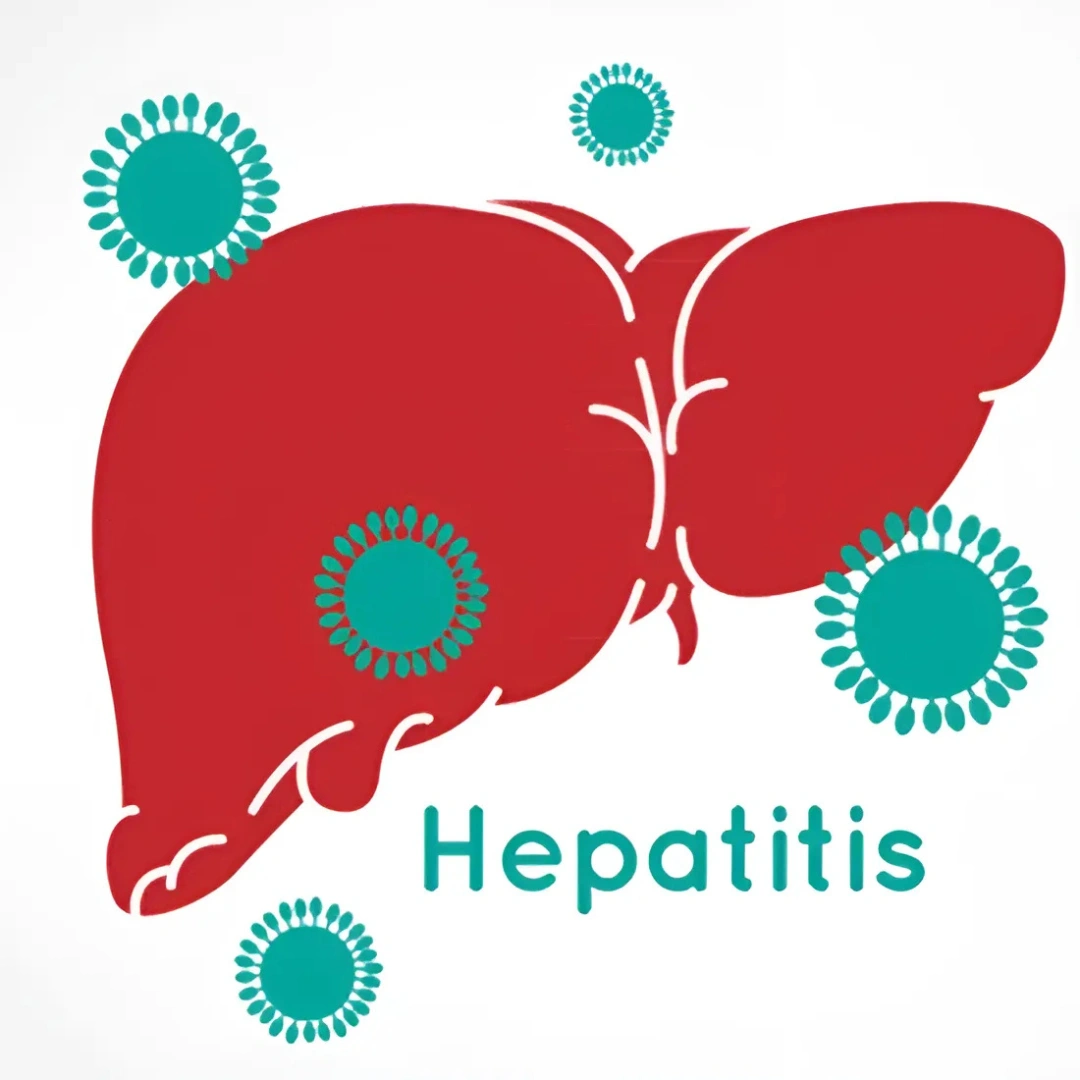
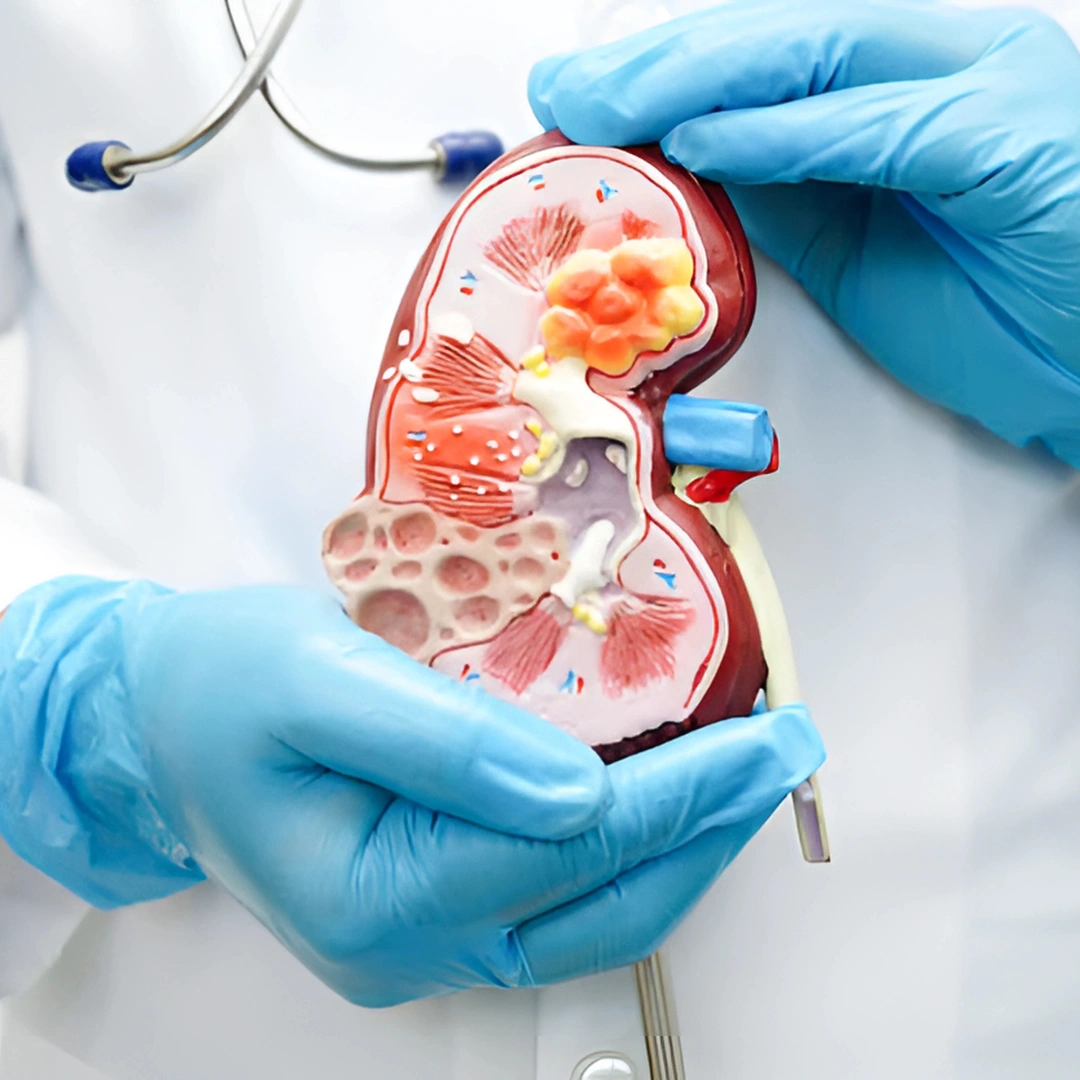
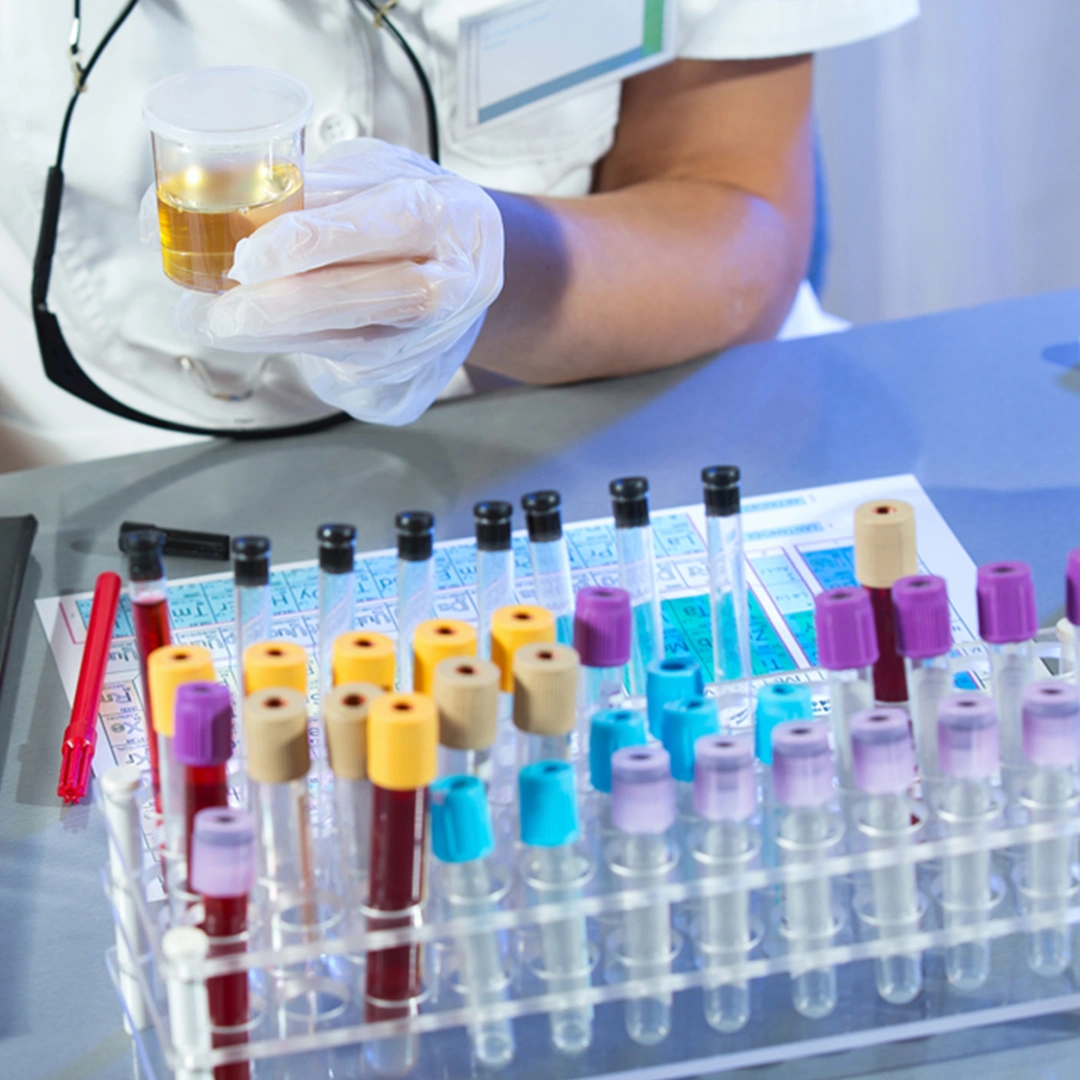
The Blood Urea Nitrogen (BUN) test measures the amount of urea nitrogen in the blood. Urea is a waste product formed in the liver during protein breakdown and is removed from the body by the kidneys. This test is an important marker of kidney health but can also reflect liver function, diet, and hydration status.
Uses
The BUN test is commonly used to assess kidney function, diagnose and monitor acute or chronic kidney disease, evaluate hydration status, and check liver function since urea is produced in the liver. It is also used to monitor patients undergoing dialysis or those taking medications that may affect the kidneys.
Symptoms That May Lead to the Test
Doctors may recommend a BUN test if you experience swelling in the legs or around the eyes, persistent fatigue, weakness, shortness of breath, nausea, vomiting, confusion, changes in mental status, or reduced urine output.
Abnormal Results
High BUN (Uremia): May indicate kidney disease or failure, dehydration, high-protein diet, gastrointestinal bleeding, heart failure, or use of certain medications.
Low BUN: May be caused by severe liver disease, malnutrition, low-protein diet, overhydration, or pregnancy.
Risks
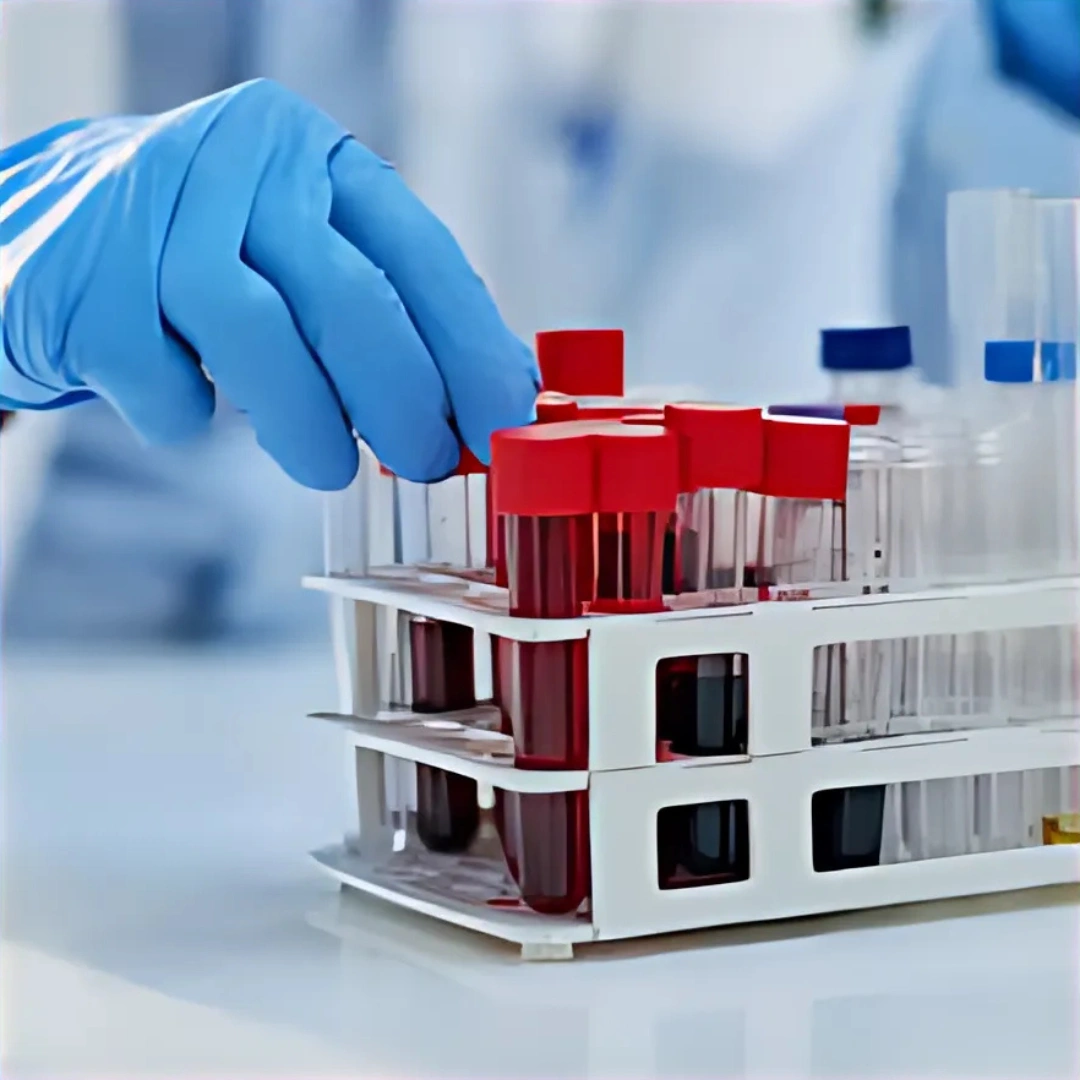
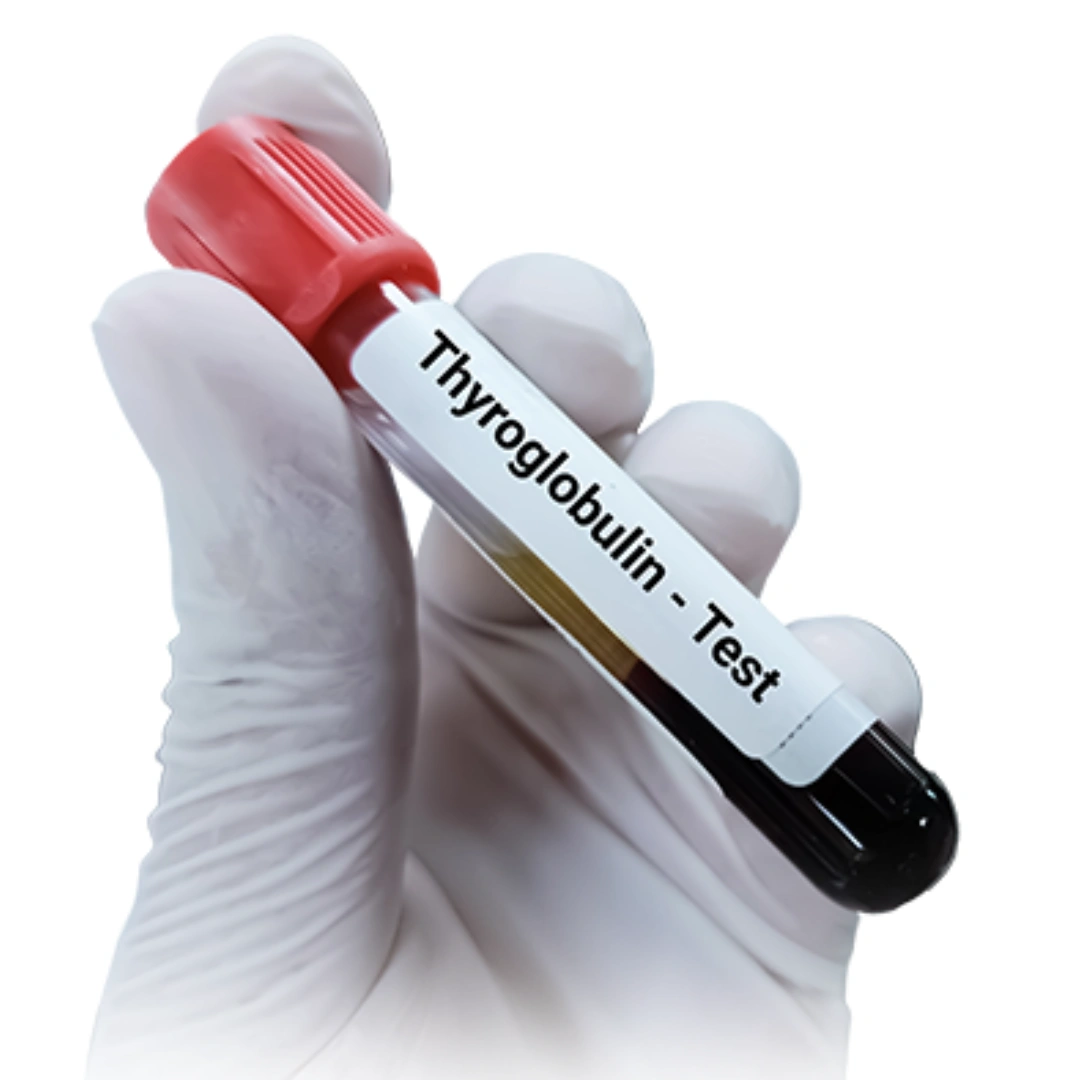
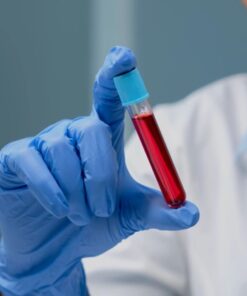
The test is safe and requires only a blood sample. Minor risks include mild pain, bruising, or bleeding at the puncture site, and in rare cases, dizziness or infection.


Reviews
There are no reviews yet.