Bone Screening Panel
What it is
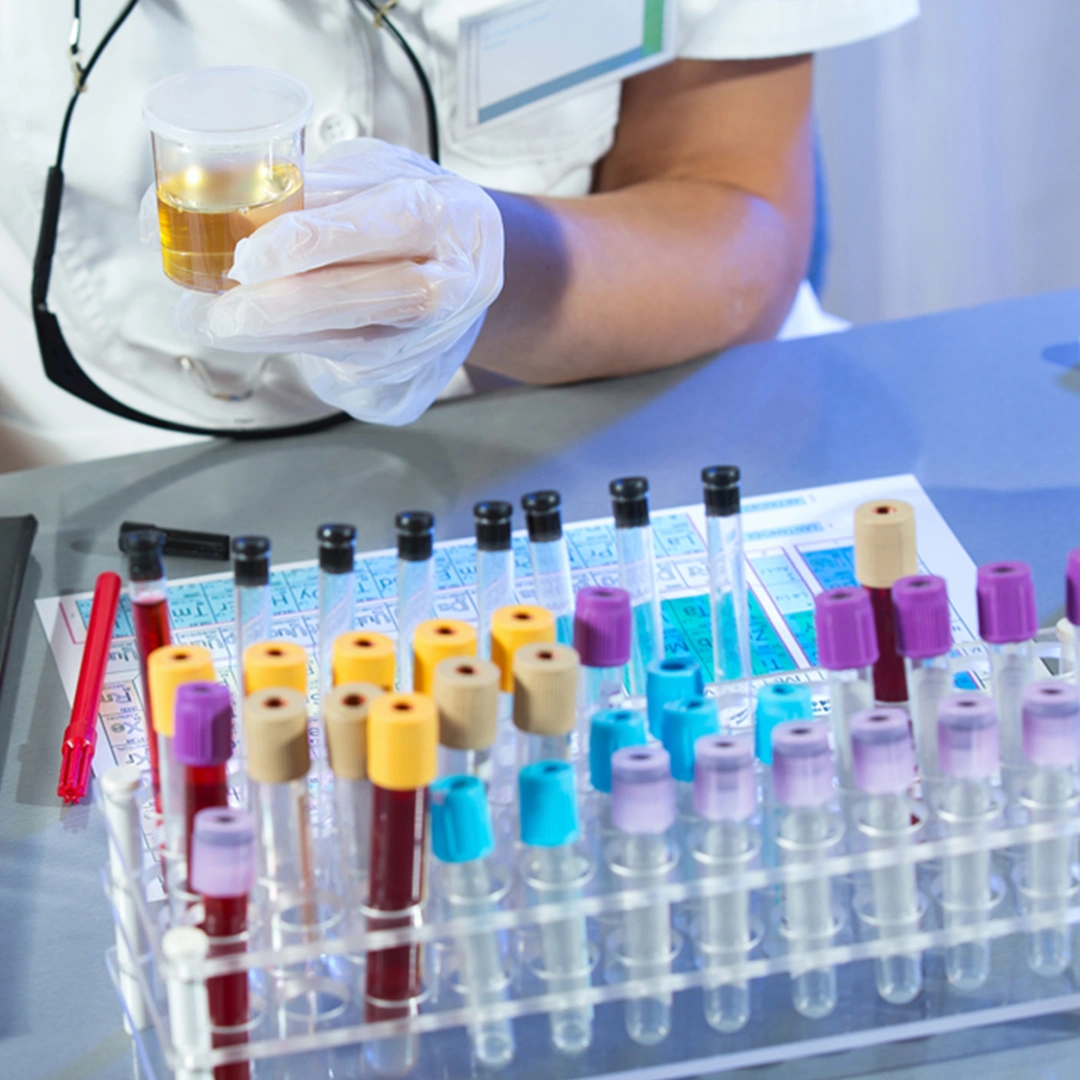
The Bone Screening Panel is a group of blood tests designed to evaluate bone health, calcium metabolism, and the risk of bone-related disorders. It helps in detecting conditions such as osteoporosis, osteopenia, rickets, and other metabolic bone diseases. The panel measures essential markers related to bone strength, bone turnover, and mineral balance.
Uses
This panel is used to detect and monitor osteoporosis, assess fracture risk, diagnose metabolic bone diseases, evaluate delayed growth or bone pain, and monitor patients undergoing treatment with calcium, vitamin D, bisphosphonates, or steroids. It is also valuable for screening postmenopausal women and individuals with chronic illnesses affecting bone health.
Typical Components
The exact tests may vary by laboratory, but commonly include:
– Calcium (total & ionized)
– Phosphorus
– Alkaline Phosphatase (ALP, especially bone-specific)
– Vitamin D (25-hydroxy)
– Parathyroid Hormone (PTH)
Additional optional markers may include magnesium, osteocalcin, and collagen crosslinks to assess bone turnover.
Symptoms That May Lead to the Test
Doctors may recommend the Bone Screening Panel for patients with bone pain, frequent fractures, loss of height, spinal deformities, suspected rickets or osteomalacia, chronic kidney disease, parathyroid disorders, or abnormal growth in children.
Abnormal Results
High calcium, ALP, or PTH: May indicate hyperparathyroidism, Paget’s disease, or bone metastasis.
Low vitamin D, calcium, or phosphorus: Suggests rickets, osteomalacia, malnutrition, or malabsorption disorders.
Abnormal ratios: Point toward metabolic bone disease, osteoporosis, or secondary issues due to kidney or liver disease.
Risks
The Bone Screening Panel is a routine blood test with minimal risks. Some people may experience mild pain, bruising, or bleeding at the puncture site, and rarely dizziness or infection.


Reviews
There are no reviews yet.