Bordetella pertussis IgG – Quantitative
What it is
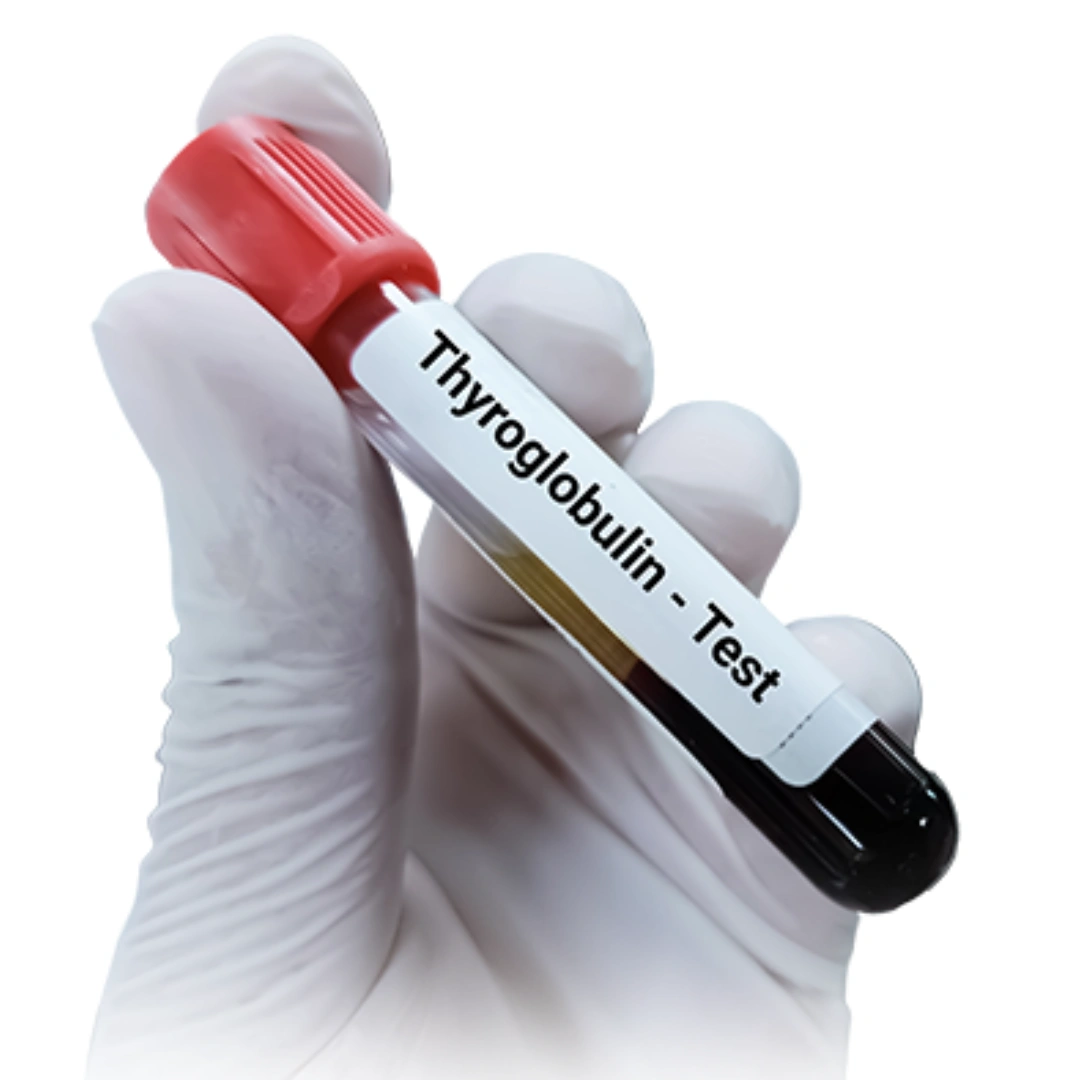
The Bordetella pertussis IgG – Quantitative test measures the level of IgG antibodies in the blood against Bordetella pertussis, the bacterium responsible for whooping cough. This test helps determine prior infection, recent exposure, or vaccination response.
Uses
The test is used to diagnose recent or past pertussis infection, assess immunity status after vaccination (DTaP/Tdap), aid in evaluating prolonged cough illnesses, and support outbreak investigations or screening in close contacts of pertussis cases.
Symptoms That May Lead to the Test
Doctors may recommend this test if you have symptoms such as a prolonged cough lasting more than two weeks, severe coughing fits (paroxysms), a whooping sound after coughing, post-cough vomiting, or breathing pauses and cyanosis in infants.
Abnormal Results
High IgG levels: Suggest recent Bordetella pertussis infection or strong immune response to recent vaccination. Useful in supporting diagnosis if symptoms and history match.
Low or absent IgG: Suggests no prior exposure or waning immunity. A booster Tdap vaccination may be required to restore protection.
Interpretation of results should be correlated with clinical findings, vaccination history, and other diagnostic tests such as PCR or culture in acute cases.
Risks
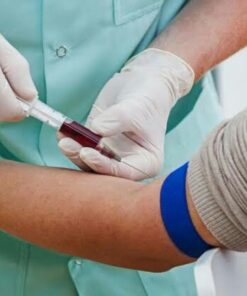
This is a routine blood test with minimal risks. Possible side effects include mild pain, bruising, or bleeding at the puncture site, and rarely dizziness or infection.


Reviews
There are no reviews yet.