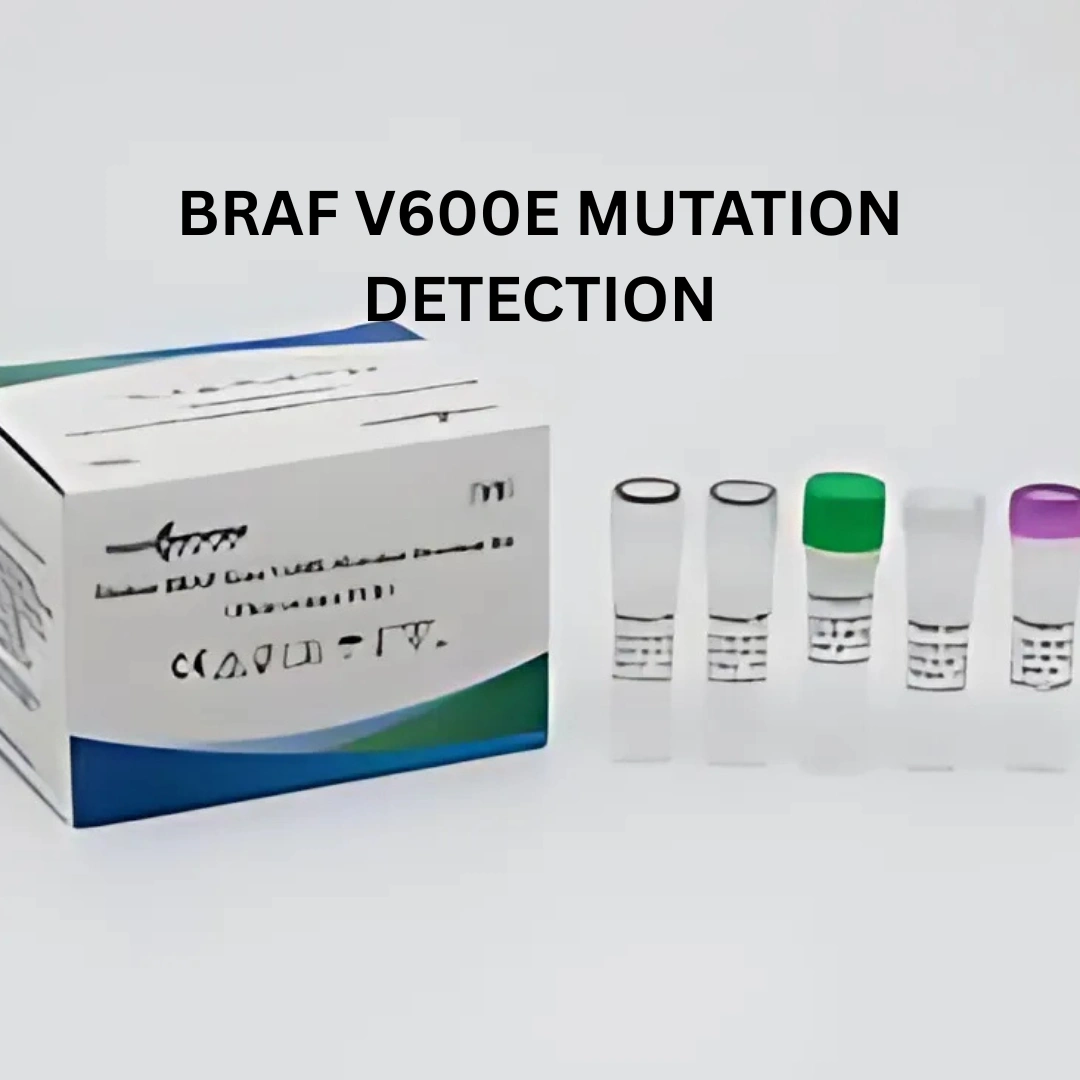
BRAF V600E Mutation Detection
What it is
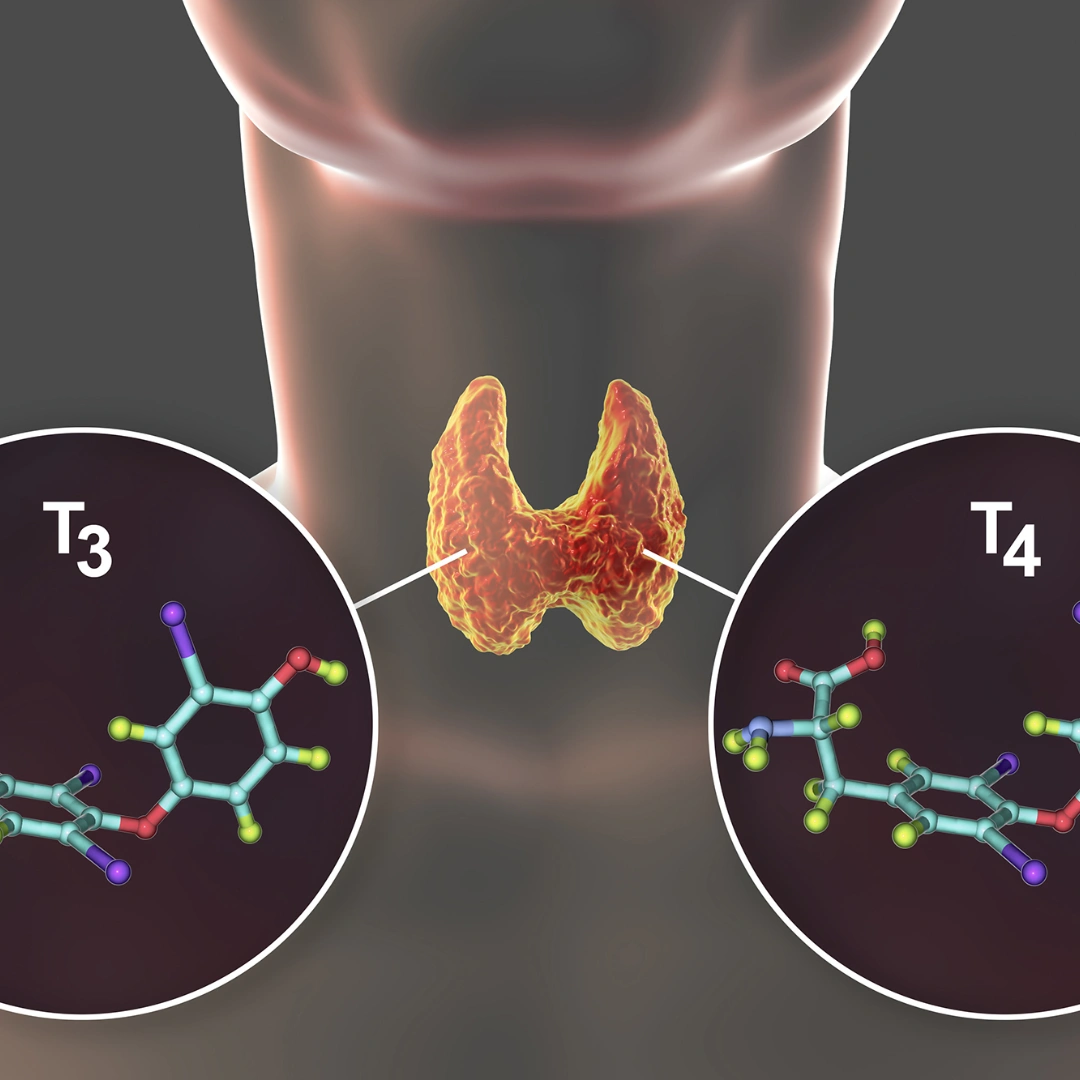
The BRAF V600E Mutation Detection test identifies a specific mutation in the BRAF gene, which plays a crucial role in cell growth and signaling. The V600E mutation causes abnormal activation of the MAPK/ERK pathway, leading to uncontrolled cell proliferation. This mutation is commonly found in cancers such as melanoma, colorectal cancer, thyroid cancer, and certain leukemias.
Uses
This test helps diagnose cancers associated with BRAF mutations, guides treatment decisions with targeted therapies (BRAF inhibitors like vemurafenib and dabrafenib), predicts prognosis, and assists in differentiating specific tumor subtypes. It is especially useful in advanced melanoma, colorectal carcinoma, thyroid carcinoma, and hairy cell leukemia.
Symptoms or Situations That May Lead to the Test
Oncologists may recommend the BRAF V600E mutation test for patients with advanced or metastatic melanoma, colorectal cancer that is resistant to standard therapy, thyroid tumors, or leukemias with atypical features. It is also used when targeted therapy is being considered.
Abnormal Results
Positive for BRAF V600E mutation: Indicates the presence of the mutation and eligibility for BRAF-targeted therapies. May also suggest a more aggressive tumor biology depending on the cancer type.
Negative for BRAF V600E mutation: Suggests no mutation detected, though other mutations in BRAF or related pathways (such as NRAS, KRAS, or MEK) may still be present.
Risks
If the test is performed on blood, risks are minimal and limited to routine blood draw side effects such as mild pain, bruising, or dizziness. If done on a tissue biopsy, risks include pain, bleeding, or rarely infection depending on the biopsy site.


Reviews
There are no reviews yet.