C-ANCA (Cytoplasmic Anti-Neutrophil Cytoplasmic Antibodies)
What it is
The C-ANCA test detects cytoplasmic anti-neutrophil cytoplasmic antibodies in the blood. These are autoantibodies directed against proteins in white blood cells, most commonly proteinase-3 (PR3). The test is mainly used to diagnose and monitor autoimmune vasculitis, especially granulomatosis with polyangiitis (formerly Wegener’s granulomatosis).
Uses
This test helps diagnose granulomatosis with polyangiitis (GPA) and other vasculitic disorders, monitor disease activity and response to therapy, and differentiate between types of vasculitis. It is often ordered along with P-ANCA for a complete antibody profile.
Symptoms That May Lead to the Test
Doctors may recommend the C-ANCA test if you experience chronic sinusitis, nasal ulcers, ear infections, coughing up blood, shortness of breath, kidney problems such as blood in urine, skin rashes, or unexplained weight loss and fever.
Abnormal Results
Positive C-ANCA: Strongly associated with granulomatosis with polyangiitis (GPA). It may also be seen in other autoimmune vasculitides, certain infections, or inflammatory conditions.
Negative C-ANCA: Suggests no evidence of C-ANCA-associated vasculitis, but does not completely rule out autoimmune disease. Results should be interpreted with P-ANCA, clinical findings, and biopsy when needed.
Risks
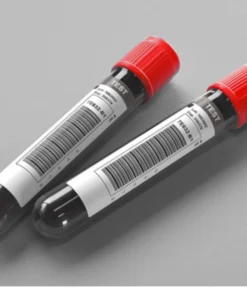
This is a simple blood test with minimal risks. Possible side effects include mild pain, bruising, or bleeding at the puncture site, and rarely dizziness or infection.


Reviews
There are no reviews yet.