C-Reactive Protein (Quantitative), Serum
What it is
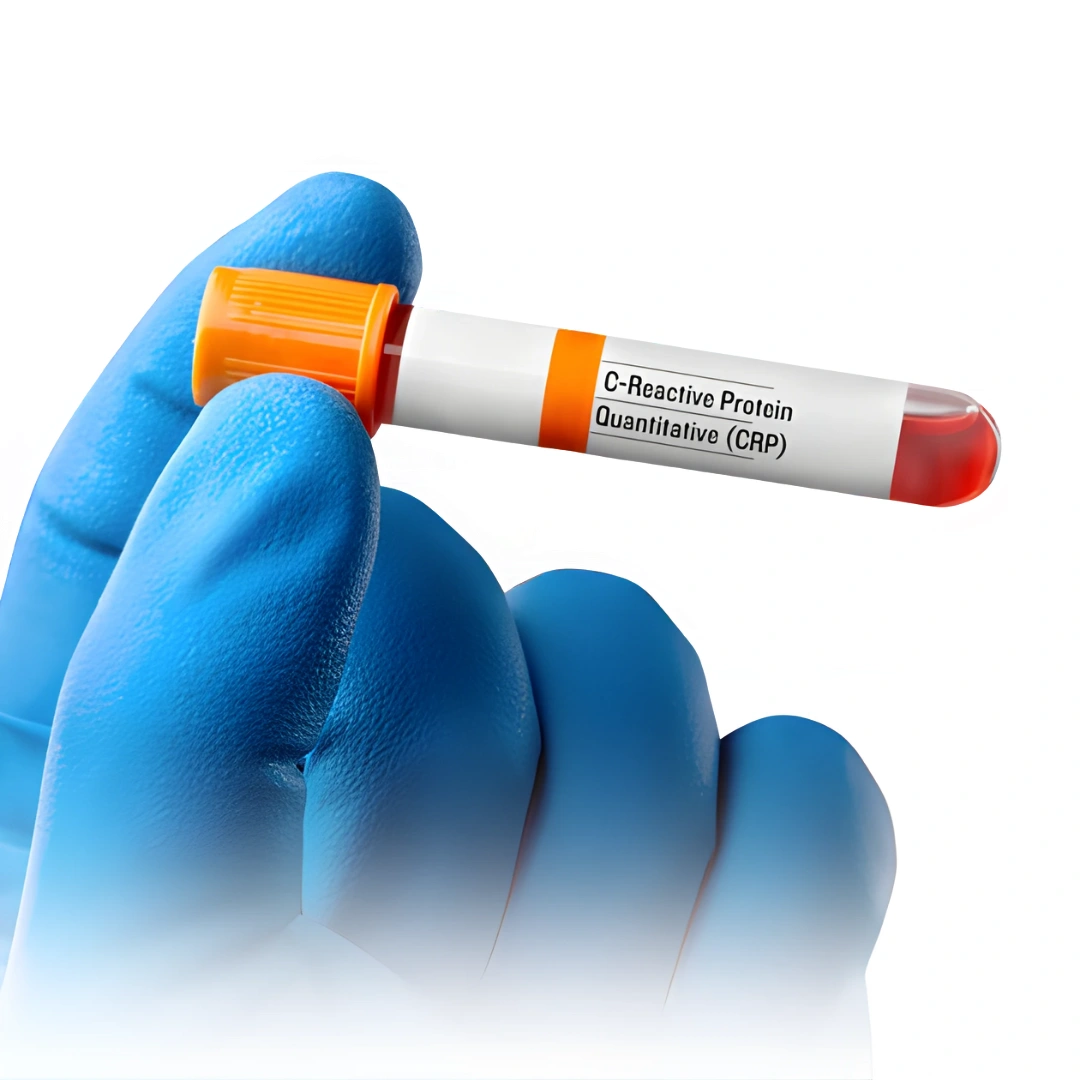
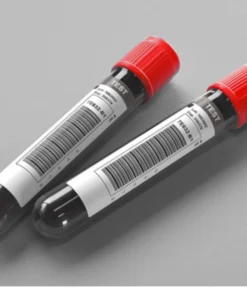
The C-Reactive Protein (CRP) Quantitative test measures the exact level of CRP in the blood. CRP is a protein produced by the liver in response to inflammation. Unlike the qualitative test, which only shows positive or negative, the quantitative test gives a precise value, helping doctors determine the severity of inflammation or infection.
Uses
This test is widely used to detect and monitor infections, inflammatory conditions, and autoimmune diseases. It is also used to evaluate the effectiveness of treatments for conditions like rheumatoid arthritis, lupus, and inflammatory bowel disease. High-sensitivity CRP (hs-CRP) versions are used to assess cardiovascular risk and predict heart disease.
Symptoms That May Lead to the Test
A doctor may recommend this test if you experience persistent fever, unexplained fatigue, joint pain, swelling, muscle aches, chest pain, or symptoms of infection. It may also be ordered for patients with suspected sepsis, autoimmune disorders, or chronic inflammatory conditions.
Abnormal Results
Elevated CRP Levels: Indicate acute infections (bacterial, viral, or fungal), autoimmune diseases, inflammatory disorders, trauma, or post-surgical recovery. Very high levels may suggest severe infections like sepsis.
Mildly Elevated CRP (hs-CRP): May indicate a higher risk of cardiovascular disease, stroke, or metabolic syndrome when measured for cardiac risk assessment.
Normal or Low CRP: Suggests no significant inflammation at the time of testing, though early disease cannot always be ruled out.
Risks
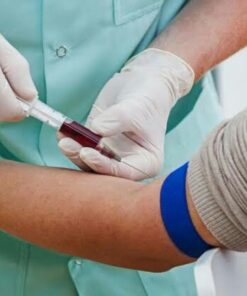
The test requires a standard blood sample. Risks are minimal and may include slight pain, bruising, or temporary dizziness at the puncture site, which usually resolve quickly.


Reviews
There are no reviews yet.