Calcitonin, Serum
What it is
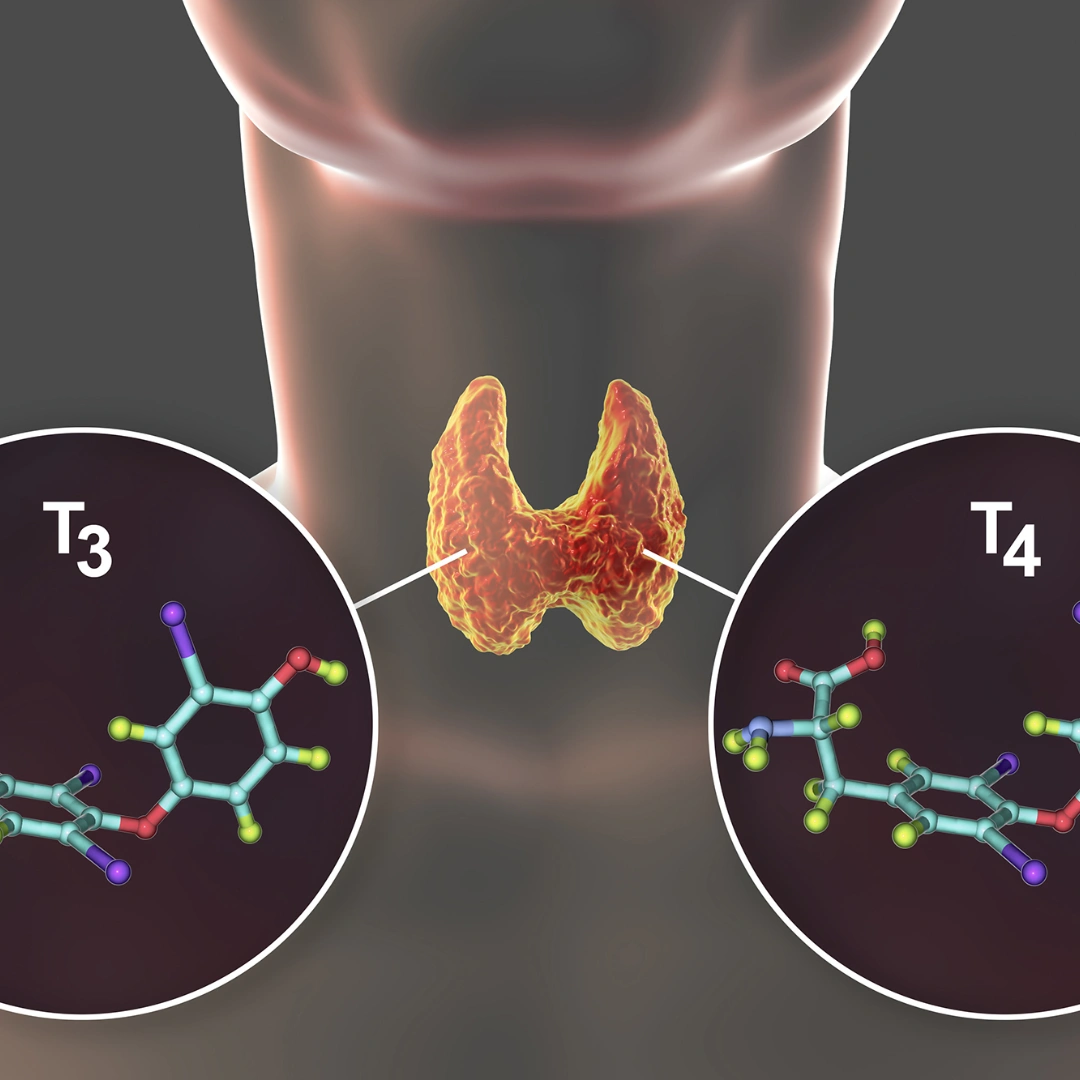
The Calcitonin test measures the level of calcitonin, a hormone produced by the C-cells of the thyroid gland. Calcitonin helps regulate calcium levels in the blood, but in clinical practice, its main importance is as a tumor marker for certain thyroid cancers, especially medullary thyroid carcinoma (MTC).
Uses
This test is primarily used to diagnose and monitor medullary thyroid carcinoma, detect recurrence of thyroid cancer, evaluate thyroid nodules, and sometimes assess other neuroendocrine tumors.
Symptoms That May Lead to the Test
Doctors may order this test if you have a thyroid nodule, family history of medullary thyroid cancer, symptoms of thyroid enlargement (goiter), persistent diarrhea or flushing, or suspicion of multiple endocrine neoplasia type 2 (MEN2).
Abnormal Results
High Calcitonin: Strongly suggests medullary thyroid carcinoma (MTC), C-cell hyperplasia, or rarely other neuroendocrine tumors such as small-cell lung cancer. Levels are also used to monitor treatment success and detect recurrence after thyroid surgery.
Low/Normal Calcitonin: Considered normal; rules out most cases of MTC. However, interpretation must consider clinical context and additional tests.
Risks
The test is a routine blood draw and carries minimal risk. Mild pain, bruising, or bleeding at the puncture site may occur, and rarely dizziness or infection.


Reviews
There are no reviews yet.